
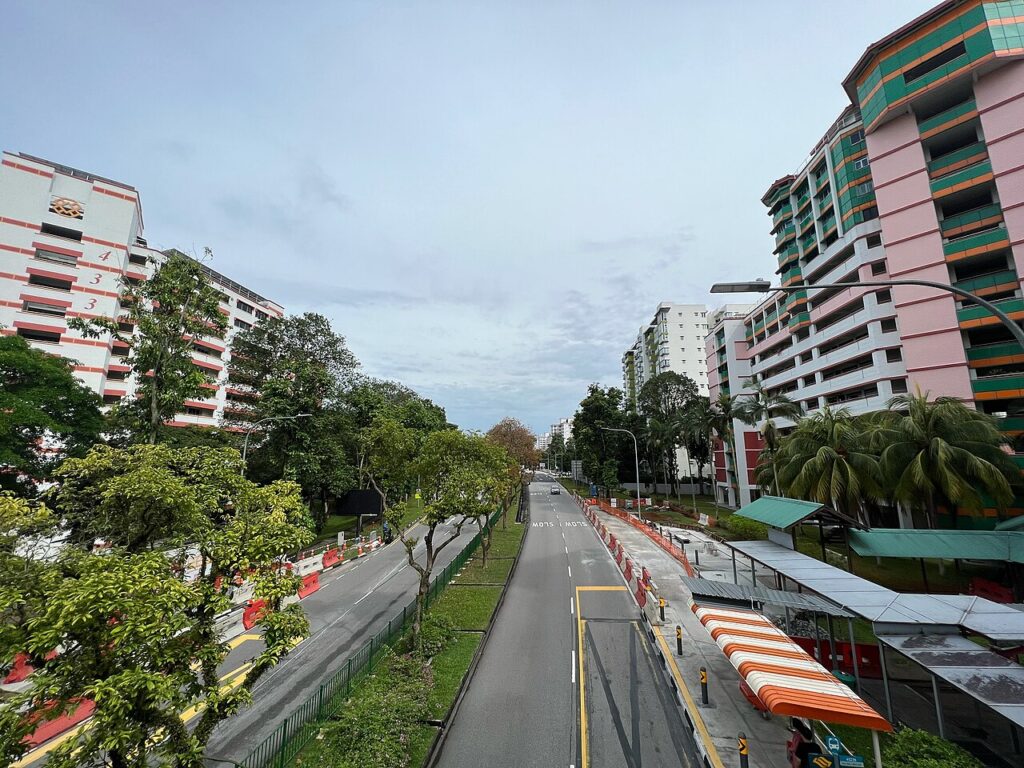
Whether you have just collected the keys to your new HDB flat, completed your MOP and are preparing to resell, or are refreshing a resale condo ahead of moving in, a renovation in Singapore involves navigating a specific set of rules, permits, and cost benchmarks that every homeowner should understand before engaging a contractor. Get it wrong, and you risk fines from HDB, stop-work orders from the Building and Construction Authority (BCA), or a renovation that looks impressive but adds little resale value.
This guide covers the full landscape of Singapore property renovation in 2026: HDB rules and what needs approval, BCA permits for structural work, realistic cost ranges by flat type and scope, the HDB Renovation Loan, timelines to plan around, and an evidence-based look at which renovation types deliver the strongest return on investment (ROI) at resale.
Quick Answer — Singapore Renovation 2026 at a Glance
- HDB renovations require an HDB-registered contractor and — for certain works — advance written approval from HDB.
- Structural works (hacking beams, columns, load-bearing walls) are prohibited in HDB flats regardless of approval status.
- BCA permits are required for additions and alterations to private property that affect the building structure, external appearance, or gross floor area.
- Costs range from S$18,000 for a basic 2-room HDB refresh to S$185,000+ for a premium condo 3-bedroom renovation.
- Renovation Loan: up to S$30,000 for HDB flat owners, at interest rates from 5.5%–6.5% p.a. (check with your bank).
- Duration: typically 8–16 weeks for a full flat; carpentry lead times of 6–10 weeks are the most common schedule bottleneck.
- Best ROI renovations (by resale uplift relative to cost): kitchen refacing, bathroom remodelling, flooring replacement, and a fresh full repaint.
HDB Renovation Rules: What You Need to Know
HDB renovation rules exist to protect the structural integrity of blocks, ensure the safety of residents above and below, maintain the external facade of the estate, and prevent noise and disruption beyond acceptable hours. The rules apply regardless of whether you own a BTO flat, a resale flat, or a Design, Build and Sell Scheme (DBSS) flat.
The core requirements are:
- Use an HDB-registered renovation contractor. All HDB renovation work must be carried out by a contractor on HDB’s approved register. Working with an unregistered contractor voids your rights under any HDB dispute resolution process and may result in fines. You can verify registration at the HDB renovation portal.
- Submit a Renovation Permit application through your contractor’s HDB-registered account before commencing works that require approval.
- Work hours: Monday–Friday 9:00 am–6:00 pm; Saturday 9:00 am–1:00 pm. No renovation work on Sundays or public holidays.
- Inform your neighbours at least 3 working days before renovation commences (HDB policy; many MCSTs have their own protocols for private condos).

| Renovation Type | HDB Rule | Notes |
|---|---|---|
| Painting (walls, ceilings) | No permit needed | Any colour; no structural impact |
| Wallpaper / wall panels | No permit needed | Must not damage structural surfaces |
| Built-in carpentry (wardrobes, TV console) | No permit needed | Contractor must be HDB-registered |
| Kitchen cabinets / countertops | No permit needed | Replacing like-for-like; plumbing changes need permit |
| Flooring (overlay, no hacking) | No permit needed | Vinyl overlay on tiles — no hacking needed |
| Flooring (hacking and relaying tiles) | HDB Permit Required | Submit via contractor’s account before starting |
| Bathroom fittings (sink, WC, shower screen) | No permit for like-for-like | Moving waste pipes = permit required |
| Hacking non-structural internal walls | HDB Permit Required | HDB confirms wall classification first |
| Hacking structural walls / beams / columns | Prohibited | No exceptions — structural integrity risk |
| Window grille installation / replacement | HDB Permit Required | Must meet HDB bar-spacing standards |
| Air-conditioning installations | No permit for standard split units | Outdoor unit placement must comply with HDB guidelines |
| Electrical rewiring (minor) | No permit; must use licensed electrician | SP PowerGrid licence required for main panel work |
BCA Permits for Private Property Renovation
For private property (condominiums, landed homes, commercial units), the Building and Construction Authority (BCA) administers the approvals framework under the Building Control Act. Unlike HDB rules, which regulate the use of approved contractors and specific work types, BCA permits focus on structural safety, gross floor area, and external facade changes.
Works that typically require a BCA permit (Addition and Alteration, or A&A works) include:
- Any structural alteration (adding or removing load-bearing elements, changing structural openings)
- Extensions that increase gross floor area (GFA)
- Changes to the external facade or roof of landed property
- Swimming pool installations at landed property
- Major electrical or mechanical system upgrades in commercial units
For condominium owners, all renovation work must also comply with the Management Corporation Strata Title (MCST) by-laws. Most MCSTs require homeowners to submit renovation plans and obtain written MCST approval before any work begins, and to pay a renovation deposit (typically S$1,000–S$5,000) refunded upon satisfactory completion without damage to common areas.
Renovation Costs by Flat Type and Scope
Renovation costs in Singapore vary enormously depending on the size of the unit, the scope of works, and the finish level targeted. The figures below reflect market rates as at mid-2026 based on indicative quotations from HDB-registered contractors. They exclude furniture, electrical appliances, and curtains, which are typically supplied separately.

| Property Type | Basic Renovation (S$) | Standard Renovation (S$) | Premium Renovation (S$) |
|---|---|---|---|
| HDB 2-Room (35–45 sqm) | 18,000–25,000 | 30,000–45,000 | 50,000–70,000 |
| HDB 3-Room (65–75 sqm) | 25,000–35,000 | 45,000–60,000 | 70,000–100,000 |
| HDB 4-Room (90–100 sqm) | 32,000–42,000 | 58,000–75,000 | 95,000–130,000 |
| HDB 5-Room / EA (110–145 sqm) | 40,000–55,000 | 72,000–95,000 | 120,000–160,000 |
| Condo 2-Bedroom (65–80 sqm) | 35,000–50,000 | 65,000–85,000 | 110,000–150,000 |
| Condo 3-Bedroom (90–120 sqm) | 48,000–65,000 | 85,000–115,000 | 150,000–220,000 |
What the tiers mean:
- Basic renovation covers repainting, vinyl flooring overlay (no hacking), replacement of bathroom fittings and kitchen tap/sink, and basic built-in storage in one or two rooms. Typically 8–10 weeks to complete.
- Standard renovation includes full hacking and retiling of bathrooms and kitchen, installation of full kitchen cabinetry with solid surface countertop, carpentry throughout all bedrooms, feature wall treatment in living room, false ceiling with LED lighting, and air-conditioning installation. Typically 12–16 weeks.
- Premium renovation encompasses all standard works plus imported tiles, bespoke joinery with soft-close mechanisms and premium hardware, kitchen island, walk-in wardrobe, feature wall with natural stone or specialty panels, smart home integration, and designer sanitary ware. 16–20 weeks or more.
The HDB Renovation Loan
HDB flat owners who need financing for their renovation can apply for an HDB Renovation Loan through participating financial institutions. Key terms as at August 2026:
- Maximum loan amount: S$30,000 (or 6 months’ gross household income, whichever is lower)
- Eligibility: HDB flat owners; at least one applicant must be a Singapore Citizen or Permanent Resident; flat must be under the applicant’s name
- Loan tenor: up to 5 years
- Interest rate: typically 5.5%–6.5% p.a. (fixed or floating; compare rates across OCBC, UOB, DBS, Standard Chartered)
- Monthly repayment example: S$30,000 at 6% p.a. over 5 years = approximately S$580/month
- Approved works: must be used for renovation works carried out by HDB-registered contractors; loan funds disbursed directly to the contractor after works inspection
Private property owners can use personal loans or renovation loans offered by banks (not HDB), which typically allow borrowing up to 6× monthly income, up to S$30,000, at broadly similar interest rates.
Renovation ROI: Which Works Add the Most Value at Resale
Not all renovation dollars are created equal. A premium renovation that costs S$150,000 does not necessarily add S$150,000 to your resale price — and in the HDB resale market especially, over-renovating above the neighbourhood price ceiling can result in negative ROI, where the renovation cost exceeds the premium buyers are willing to pay.

General principles that hold across the Singapore resale market:
- Kitchens and bathrooms sell flats. Buyers consistently rank clean, functional kitchens and bathrooms as the top priority. A bathroom remodel at S$15,000–S$20,000 typically commands a premium of S$15,000–S$30,000 or more in the HDB resale market, making it one of the highest-ROI renovations in absolute terms.
- Repainting is the highest-ROI cosmetic upgrade. A full repaint of a 4-room flat costs S$2,500–S$4,500 and can lift perceived value by 5%–12% by making the flat feel newer and well-maintained. At S$550,000 resale, a 5% uplift = S$27,500 on a S$4,000 spend.
- Flooring matters. Replacing old mosaic tiles with vinyl plank flooring (S$8,000–S$12,000) upgrades the look of the entire flat and appeals strongly to younger buyers. ROI of 8%–18% relative to cost is commonly observed.
- Over-specified kitchens rarely pay back. A Häfele full-imported kitchen at S$45,000 in a S$450,000 flat is unlikely to recover its cost. Buyers in that price bracket expect a functional kitchen, not a luxury one.
- Open-plan conversions (hacking the wall between kitchen and living room) are high-risk. They require HDB permit approval, add S$15,000–S$25,000 in costs, and appeal to a subset of buyers. If your buyer prefers a separate kitchen (common among families with elderly members), the conversion may reduce marketability.
Worked Example: Ms Tan — selling her Bishan 4-Room HDB flat after MOP
Ms Tan’s 4-room flat is 12 years old. She purchased it at S$370,000 and is targeting a resale at S$720,000. Market comparables show recently transacted flats in her block at S$700,000–S$740,000 — a standard finish range.
Renovation plan (standard scope, targeting resale within 3 months):
- Full repaint (4 rooms + common areas): S$3,800
- Bathroom retiling and new fittings (2 bathrooms): S$22,000
- Kitchen hacking, retiling, new cabinets with quartz countertop: S$28,000
- Vinyl plank flooring (bedrooms and living room): S$9,500
- False ceiling with LED downlights (living and dining): S$5,200
- Minor carpentry (master bedroom built-in wardrobe): S$6,500
- Total renovation cost: S$75,000
Resale outcome: After renovation, the flat transacted at S$735,000 — S$35,000 above the pre-renovation comparable median. Net renovation benefit = S$35,000 uplift at an outlay of S$75,000. However, the renovation also allowed Ms Tan to sell at top-of-market speed (16 days on the market vs. average 45 days for unrenovated flats in her block), reducing holding costs and the risk of a prolonged sale at a lower price.
Renovation Loan used: Ms Tan borrowed S$30,000 via UOB Renovation Loan at 6.0% over 3 years (S$913/month), repaid fully on completion of the sale. Total interest paid = approximately S$2,860.
Renovation Timelines and Planning Tips
Renovation projects in Singapore typically follow this sequence:
- Week 1–2: Hacking (tiles, walls where permitted). Noisiest phase — schedule within HDB allowed hours.
- Week 2–4: Plumbing, electrical conduit laying, plastering.
- Week 4–6: Tiling (wet areas first), waterproofing, window grilles.
- Week 6–10: Carpentry fabrication off-site (cabinets, wardrobes — this is where most delays occur).
- Week 10–12: Carpentry installation, painting, flooring.
- Week 12–14: Air-conditioning, light fittings, final touches, snag inspection.
The single most reliable way to compress the schedule is to finalise your carpentry design before the main contractor starts hacking, so fabrication can begin in parallel. Many homeowners also run a parallel procurement track for appliances (ovens, hobs, refrigerators) so delivery aligns with carpentry installation.
Choosing a Renovation Contractor
For HDB flats, all renovation works must be carried out by a contractor registered with HDB. You can search HDB’s renovation contractor directory on the HDB InfoWEB. When shortlisting, ask each contractor for:
- Proof of HDB registration (registration number and expiry date)
- A full itemised quotation — not a lump-sum figure
- References from at least two recent projects in a similar flat type
- Their renovation permit application timeline and workflow
- Payment schedule (industry norm: 20% deposit, progress payments, 5%–10% final retention)
Avoid contractors who ask for more than 20%–30% upfront, cannot provide an itemised quotation, or pressure you to sign before the permit is approved.
What Might Change for Renovations in 2026–2027
HDB has been progressively tightening rules around noise levels and renovation hours in high-density estates. In 2025, HDB trialled a decibel monitoring pilot in selected blocks in Punggol and Tengah to identify repeat hacking offenders. Industry observers expect these monitoring standards to be formalised and extended to all HDB towns by 2027, potentially shortening permitted hacking hours or requiring noise-dampening shrouding for heavy hacking works. Homeowners planning major renovations should factor this into their contractor selection — asking specifically about noise control practices.
BCA is also reviewing the A&A permit threshold for landed property additions, with proposed changes to streamline minor facade alterations for terrace and semi-detached homes. These changes are expected to reduce permit processing times from 6–8 weeks to 2–3 weeks for qualifying minor works.
Frequently Asked Questions
Can I start renovation immediately after collecting HDB flat keys?
Not immediately. Your HDB-registered contractor must first obtain the required Renovation Permit(s) from HDB before any chargeable works can begin. The permit application is submitted online by your contractor and typically approved within 3–5 working days for standard works. Painting and minor non-permit works (such as installing curtain rods or shelf brackets) can begin while the permit is pending. Hacking, tiling, and any structural involvement must wait for permit approval.
What happens if I carry out unauthorised renovation works in my HDB flat?
HDB takes unauthorised renovation seriously. Depending on the nature of the breach, penalties can range from written warnings and mandatory rectification (at the owner’s cost) to fines of up to S$5,000 under the Housing and Development Act. For structural breaches — such as hacking a structural wall — HDB may require the owner to engage a Professional Engineer (PE) to assess and remediate the damage at the owner’s full expense, which can easily run to S$30,000–S$80,000. HDB also maintains records of renovation violations, which can affect future applications for flat-related approvals.
Do I need MCST approval for my condo renovation?
Yes. Almost all condo MCSTs require prior written approval before any renovation works begin. The standard process is: submit your renovation plans and contractor details to the managing agent; pay a renovation deposit (S$1,000–S$5,000, refundable); receive written approval specifying permitted hours, noise restrictions, and waste disposal requirements. Works that affect the common property — changing external windows, modifying air-conditioning compressor locations, altering plumbing stacks — typically require additional MCST approval and may need a BCA permit as well.
Can I claim renovation costs against income tax?
No. Renovation costs for your owner-occupied residential property are not deductible for personal income tax purposes in Singapore. However, if you own the property as a rental investment and incur renovation costs to maintain the property in its income-earning condition, those costs may be deductible against rental income under IRAS’s rules for rental expense deductions. Capital expenditure that improves the property beyond its original condition is not deductible; revenue expenditure on repairs and maintenance is. Consult a tax professional or refer to the IRAS rental expense guide for the applicable distinction.
What is the maximum I can borrow on an HDB Renovation Loan?
As at August 2026, the maximum HDB Renovation Loan is S$30,000 or six times your monthly household income, whichever is lower. For a household with a combined income of S$6,000/month, the income cap is S$36,000 — so the S$30,000 cap applies. The loan must be used exclusively for renovation works carried out by an HDB-registered contractor and supported by invoices. The bank disburses funds directly to the contractor, not to you. Applications are processed by participating banks (DBS, OCBC, UOB, Standard Chartered, and others); compare interest rates as they vary by institution and promotion.
How long do I have to complete renovation after collecting BTO keys?
HDB does not set a strict deadline for completing renovation after key collection, but the Renovation Permit has a validity period (typically one year from issuance, extendable). Practically, most BTO buyers complete their renovation within 3–6 months of key collection. If your renovation will take significantly longer — for example, because you are waiting for a customised furniture lead time — ensure your contractor extends the permit validity before it lapses. A lapsed permit means all subsequent work is technically unauthorised until a new permit is obtained.
Disclaimer: This article provides general guidance only and does not constitute professional legal, financial, or construction advice. HDB renovation rules, BCA permit requirements, and renovation loan terms change from time to time. Always verify current HDB rules at hdb.gov.sg, BCA permit requirements at bca.gov.sg, and IRAS rental expense deduction rules at iras.gov.sg before committing to any renovation programme. Renovation costs are indicative estimates; obtain written quotations from at least three HDB-registered contractors before committing.


0 Comments