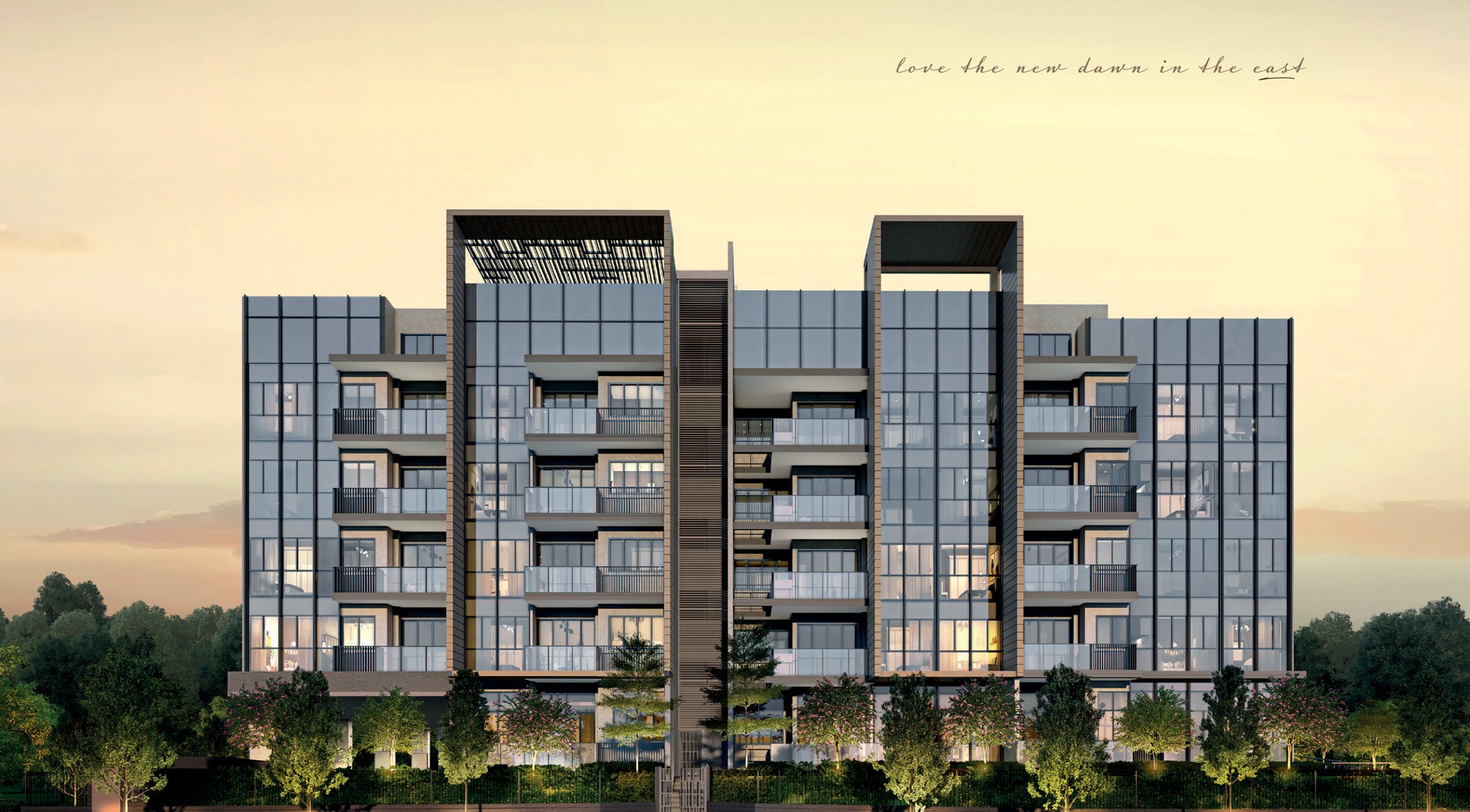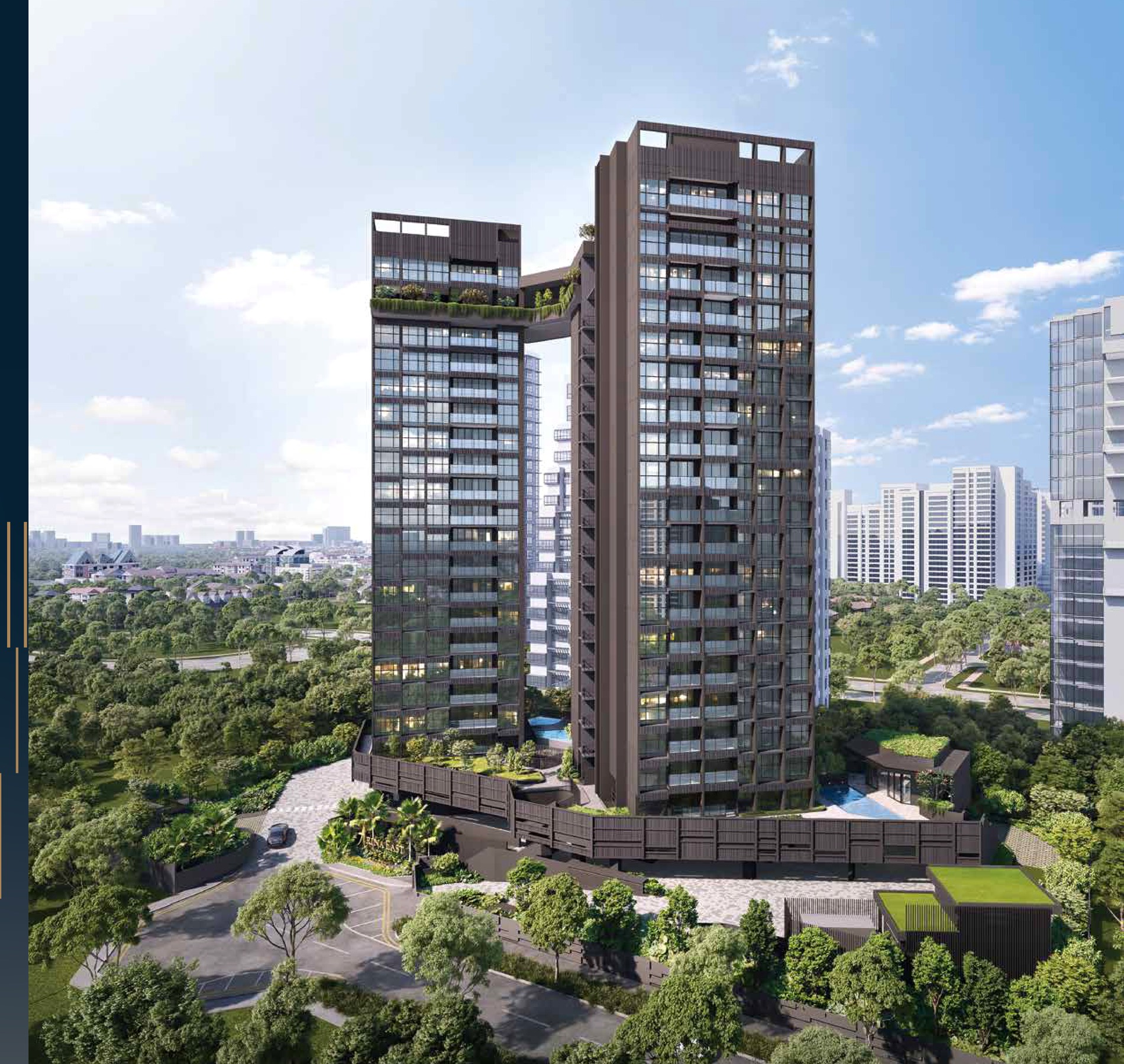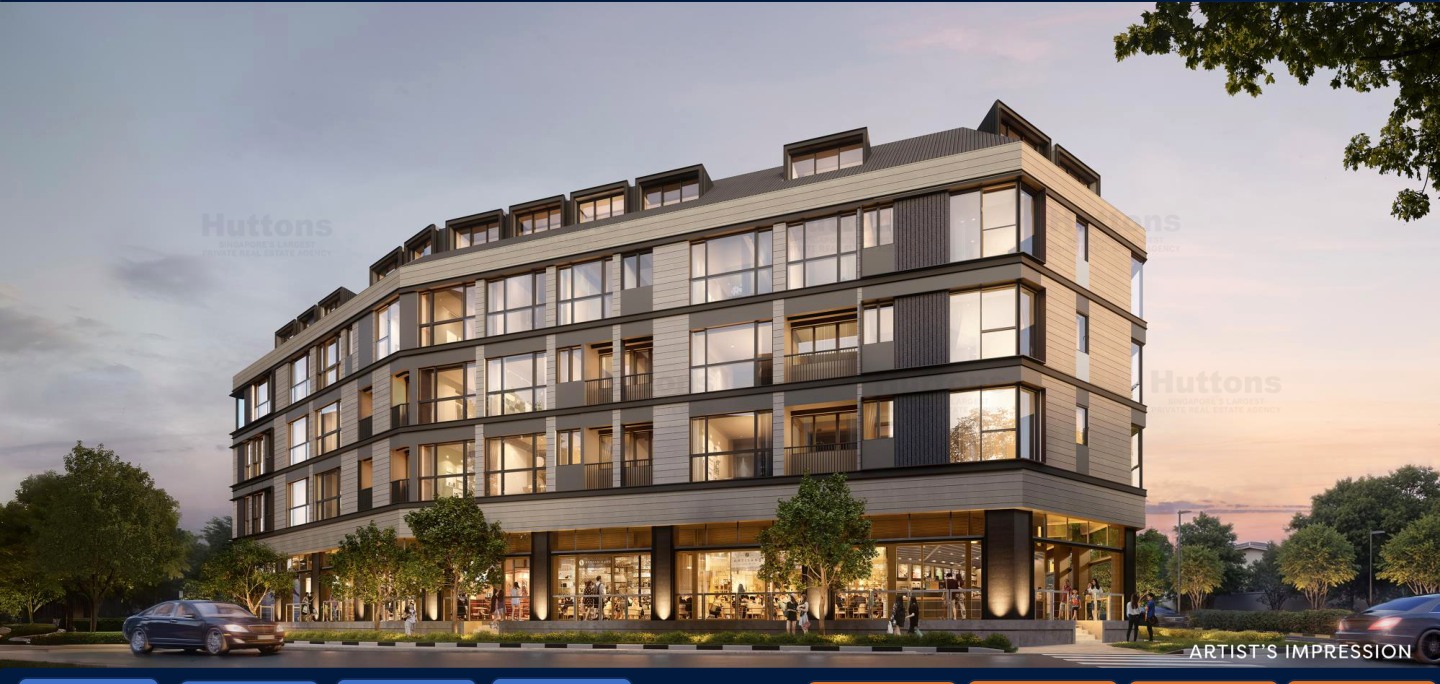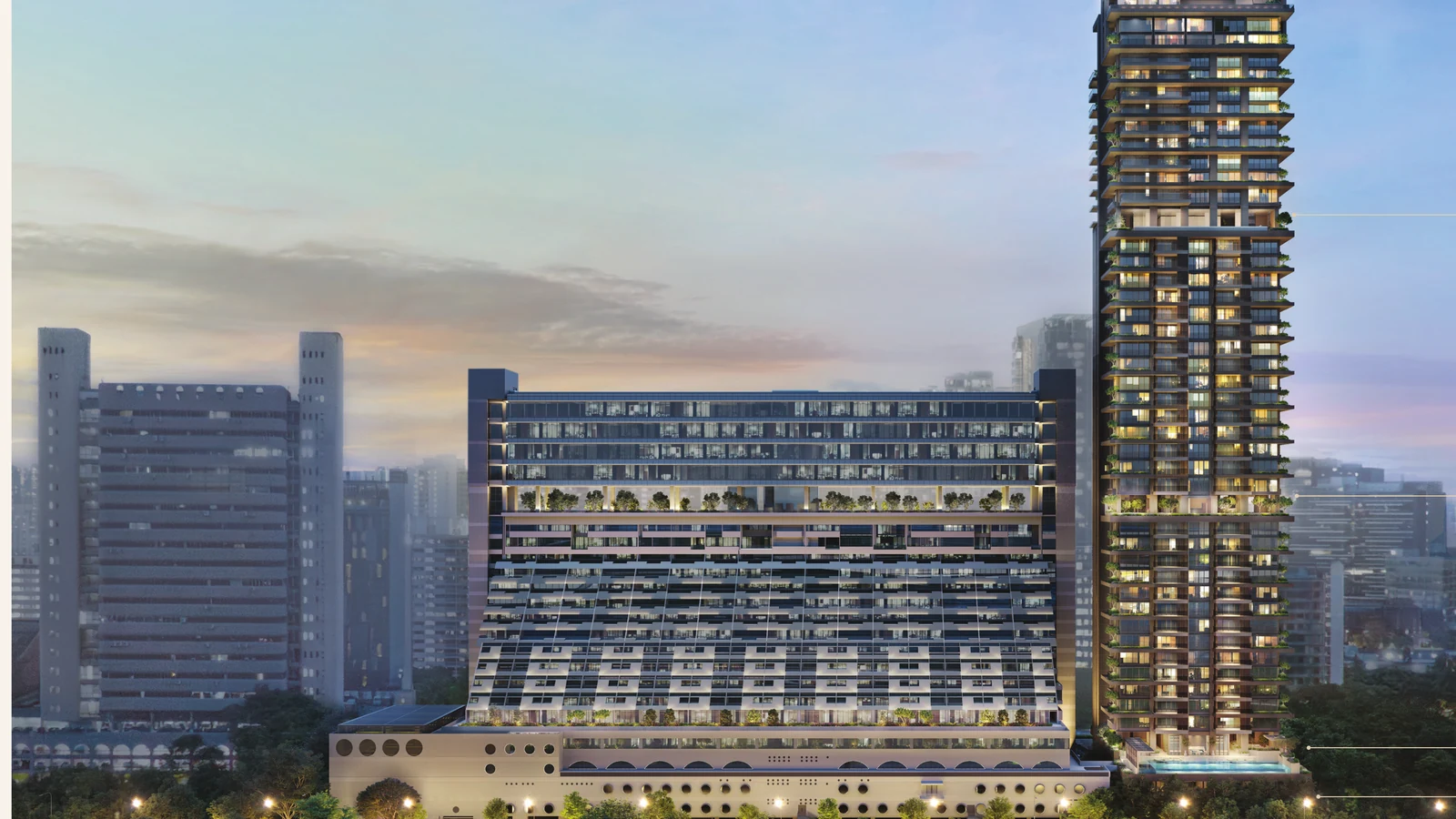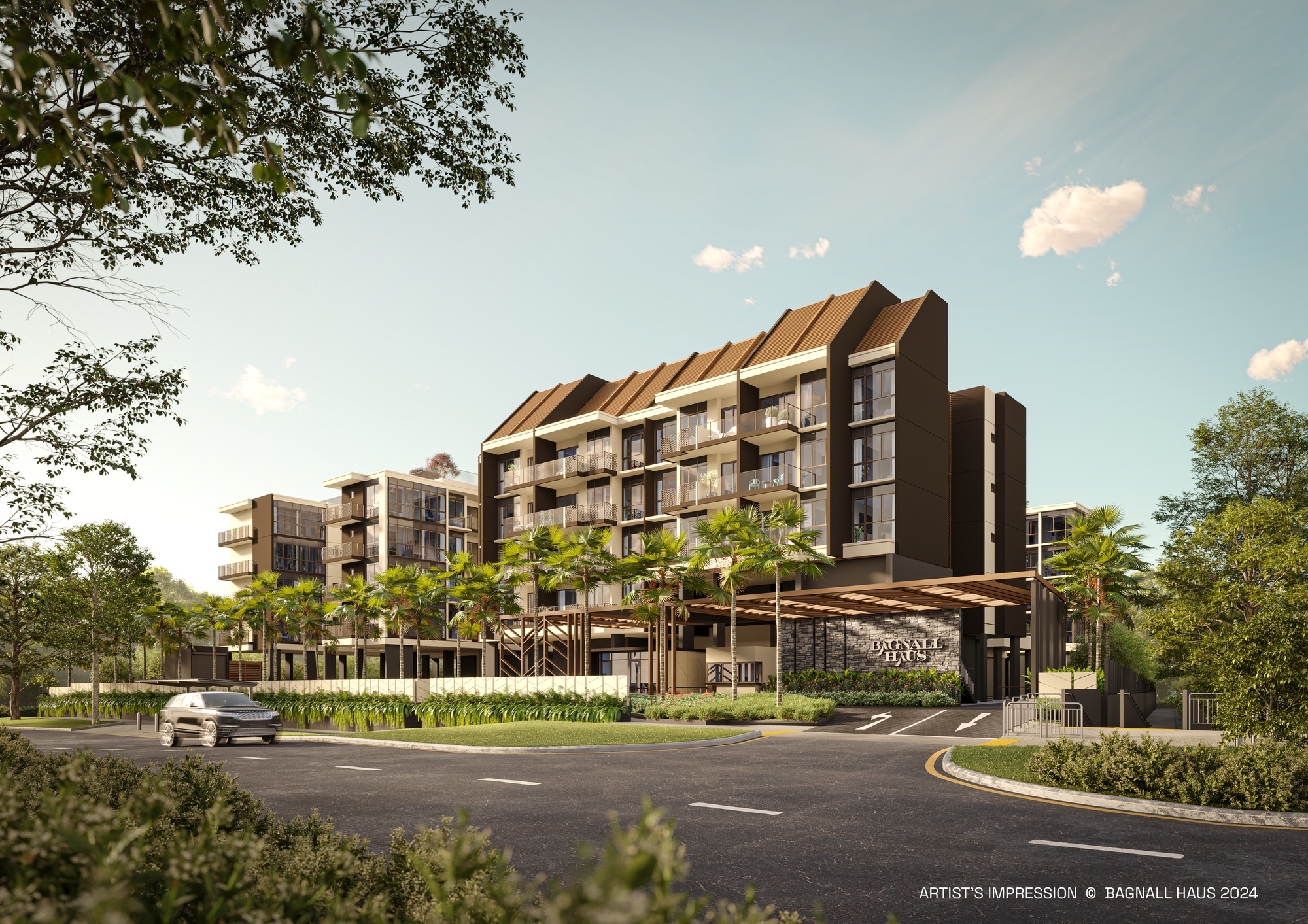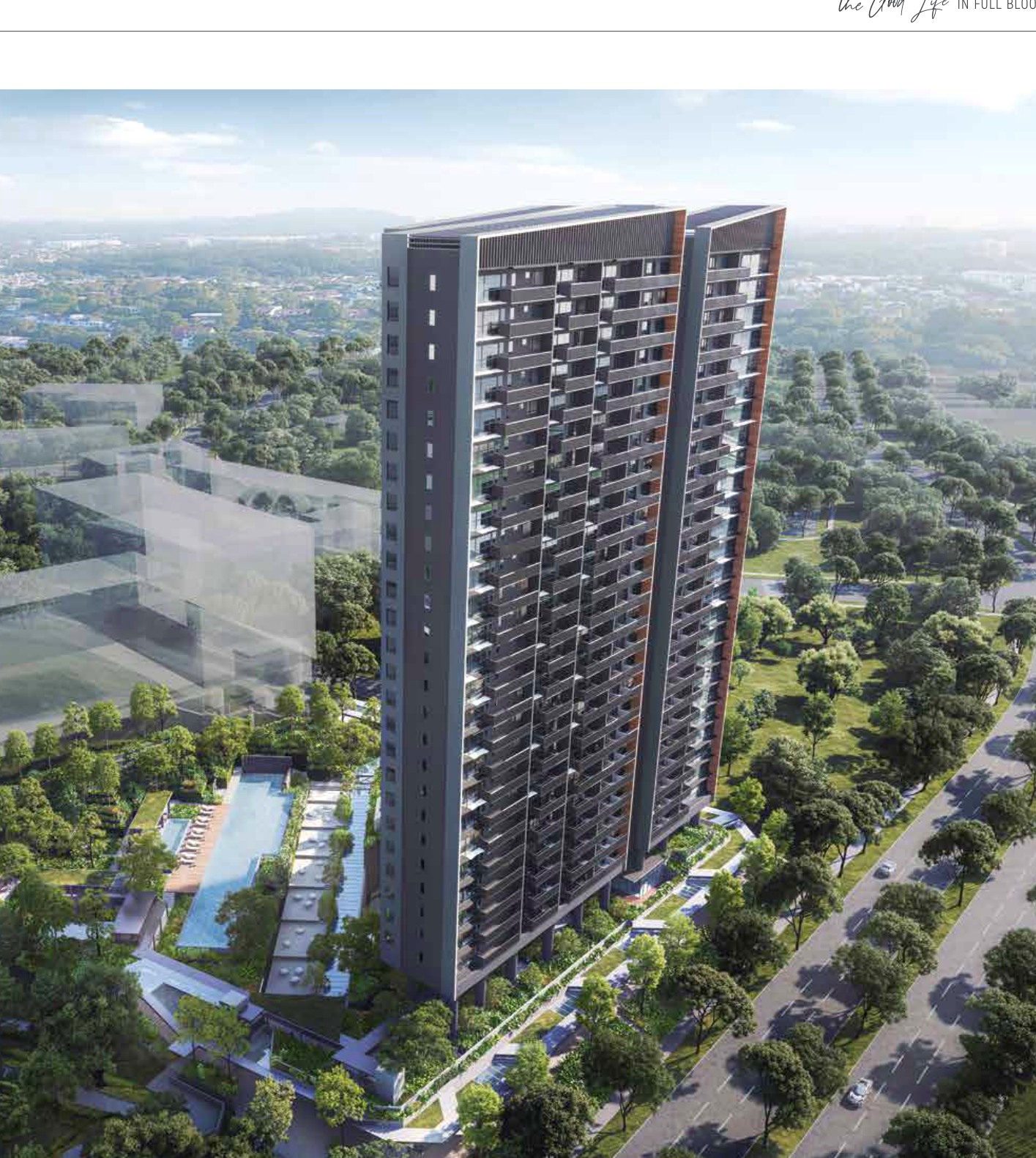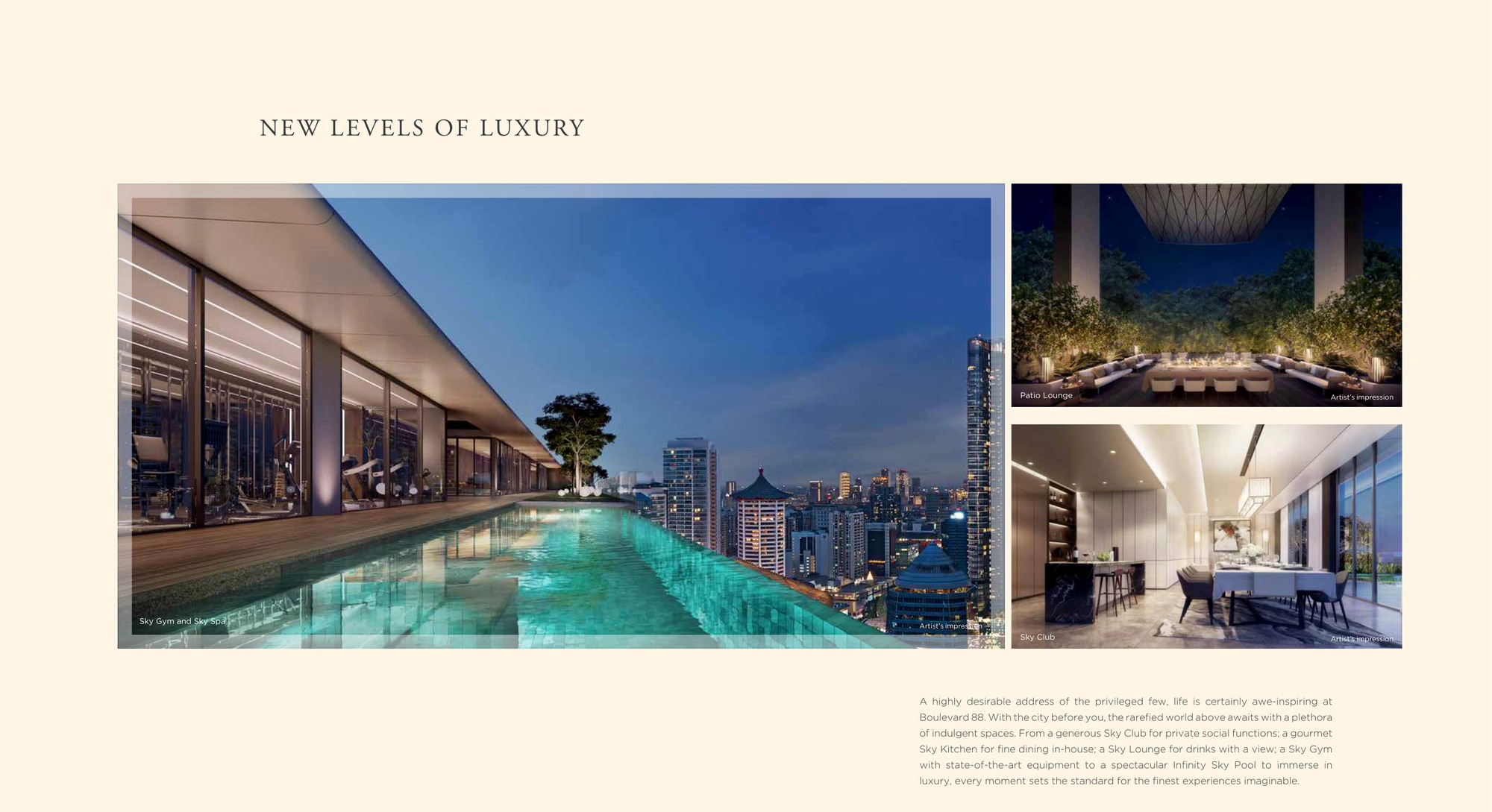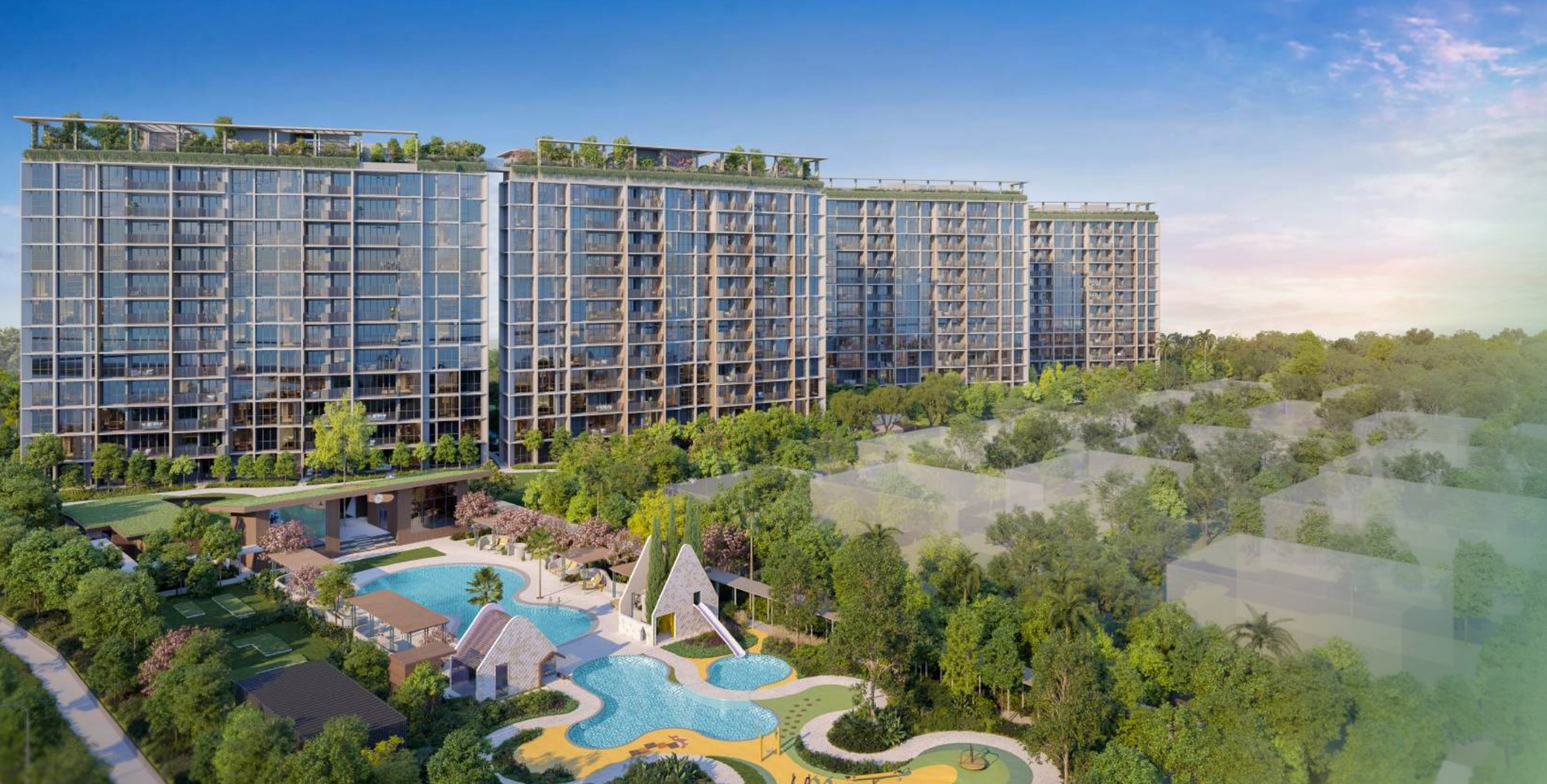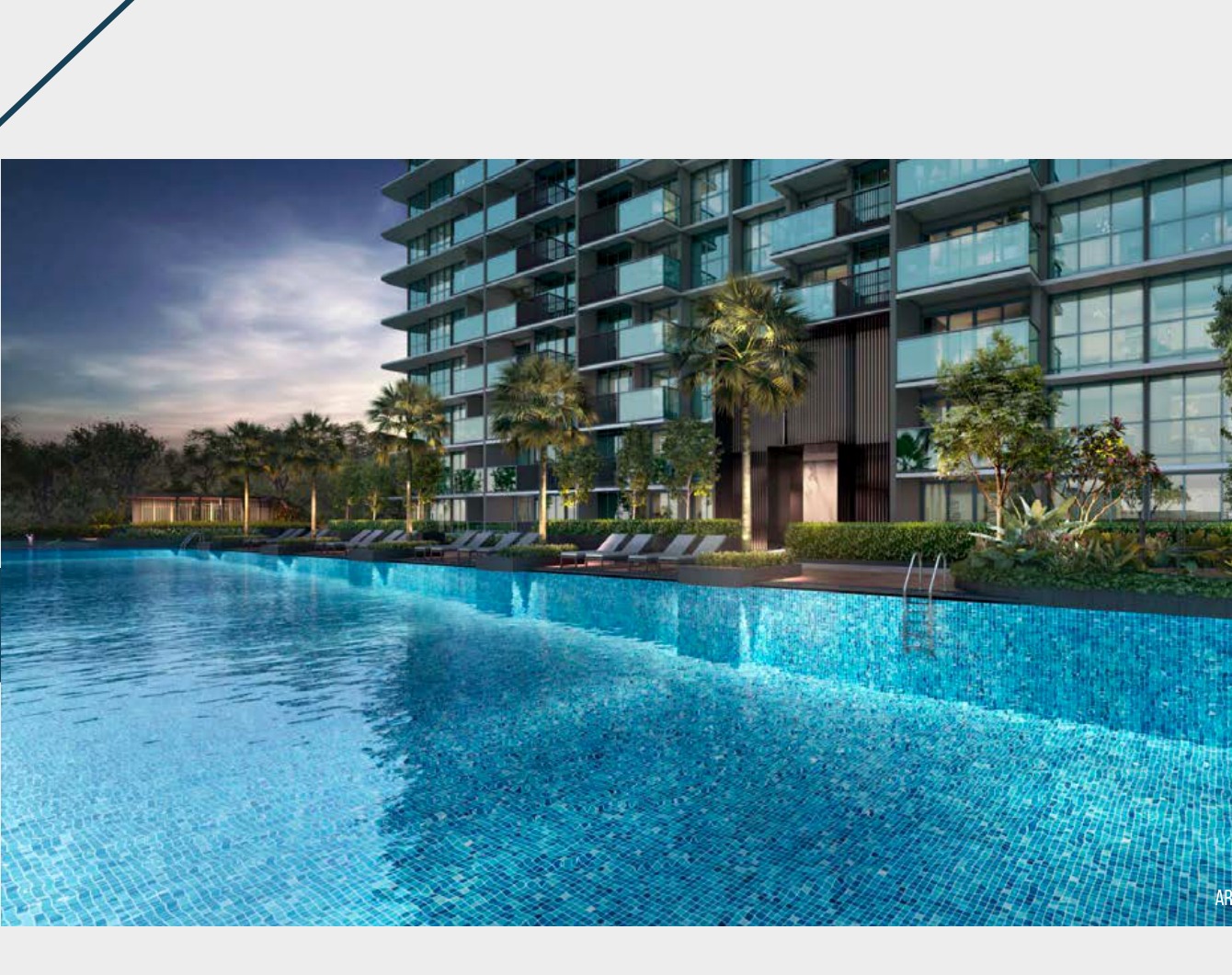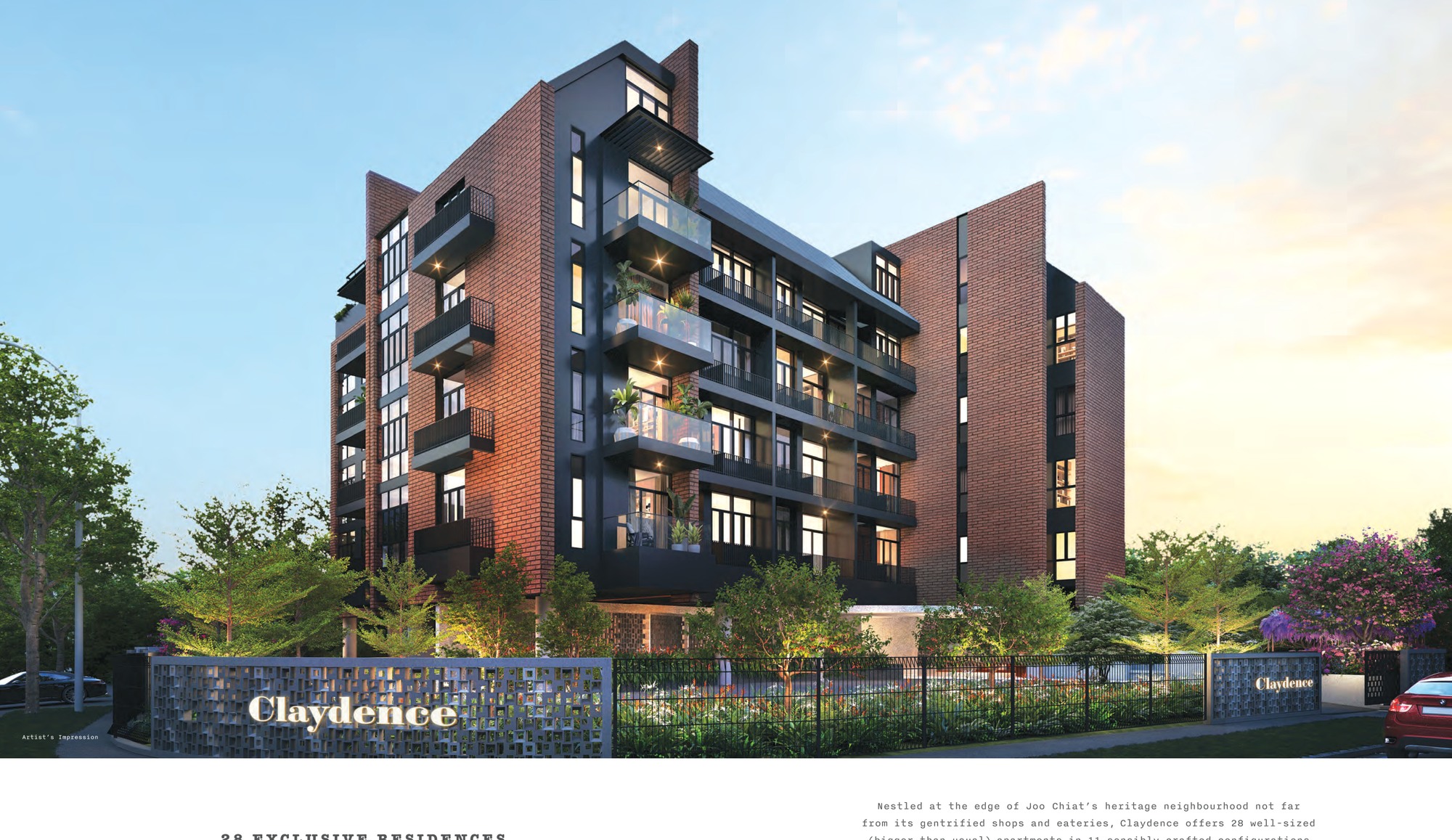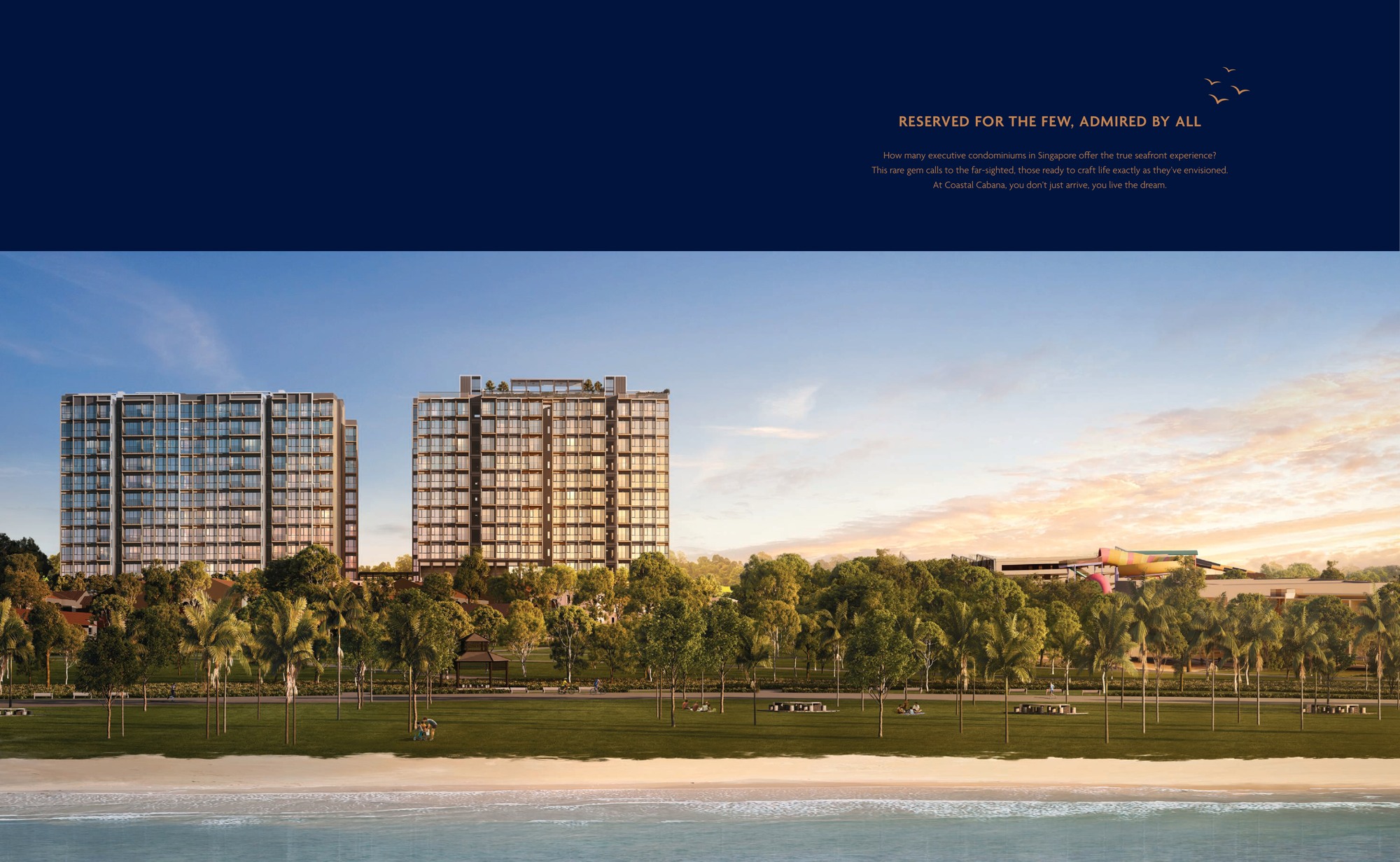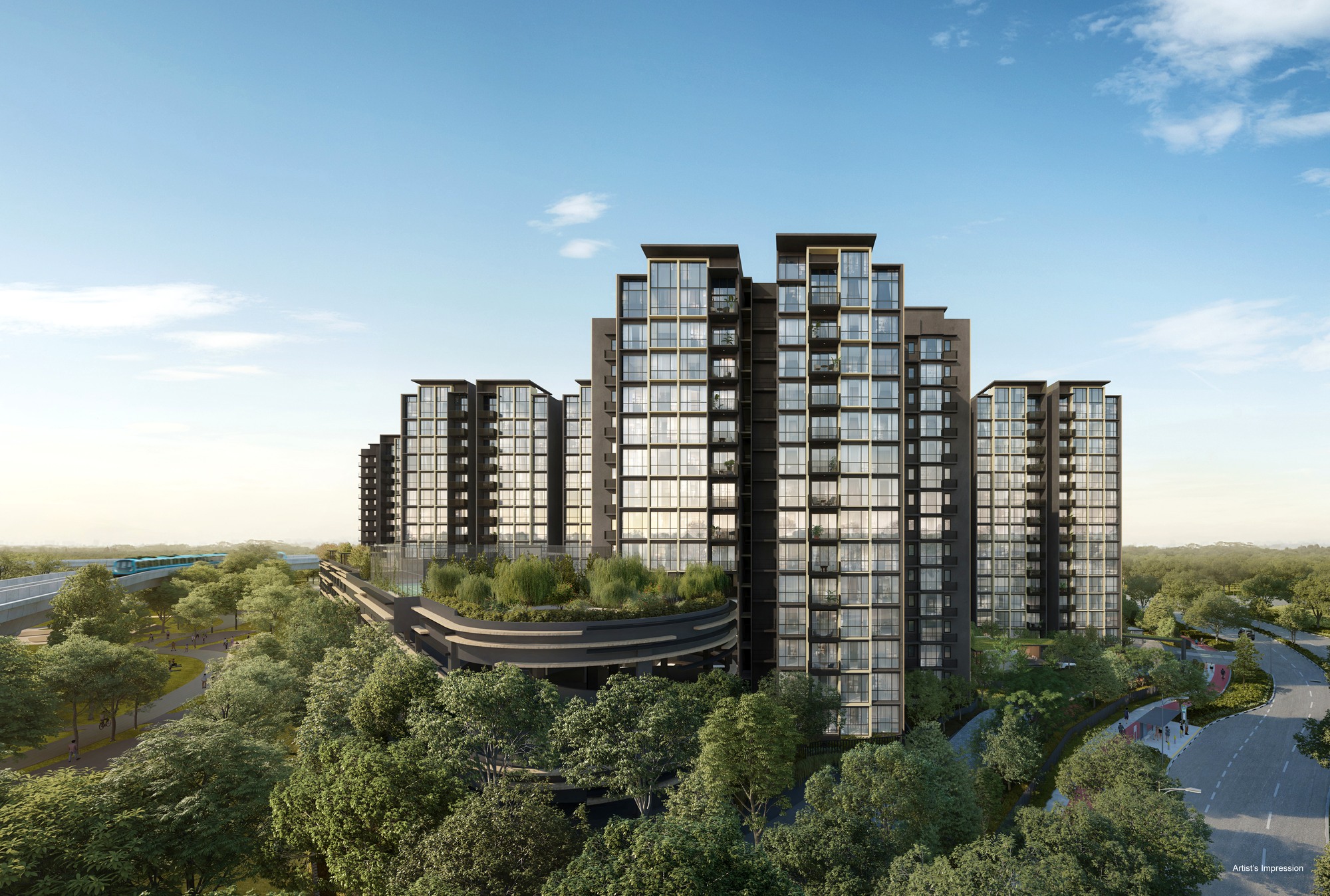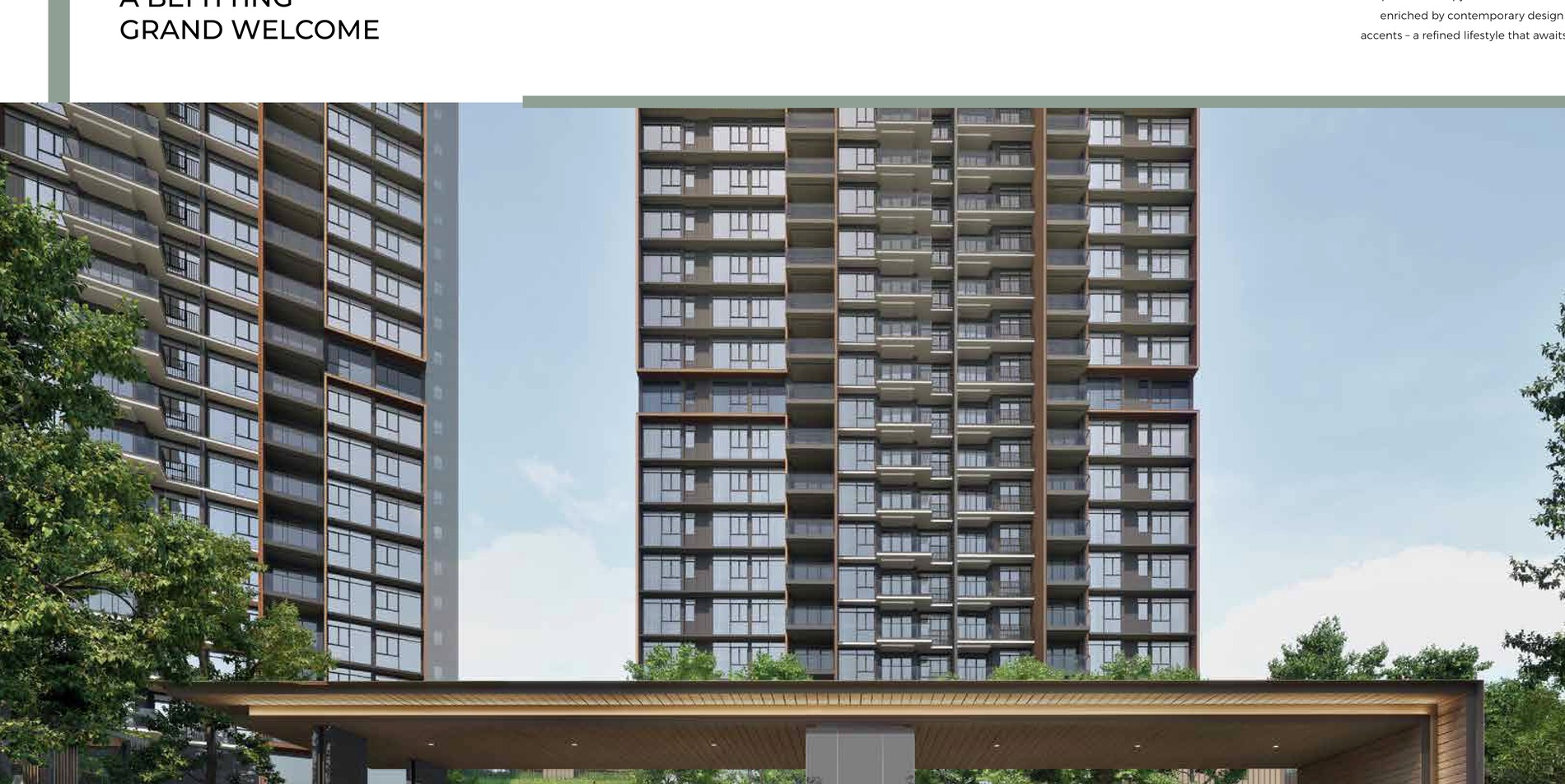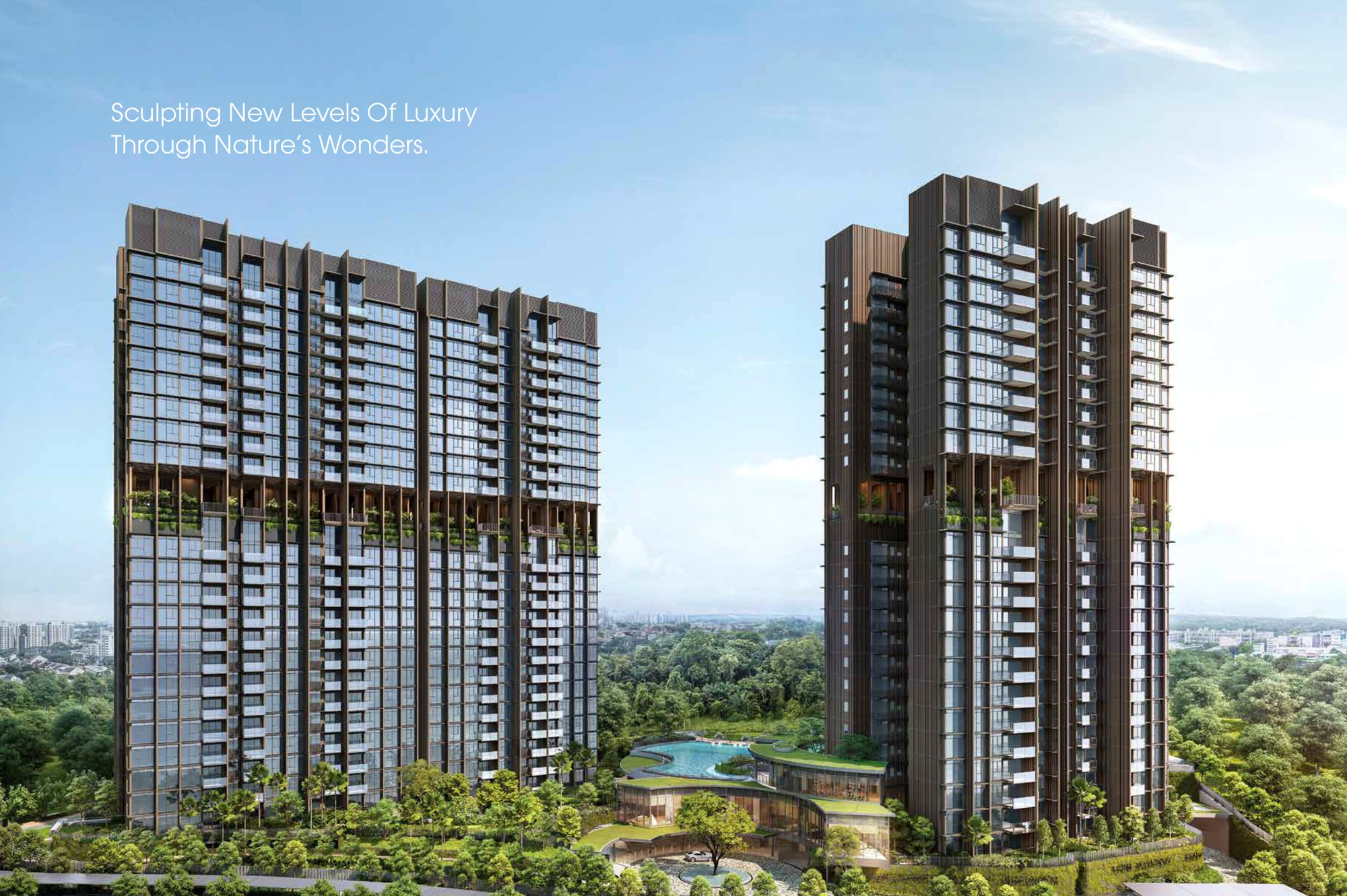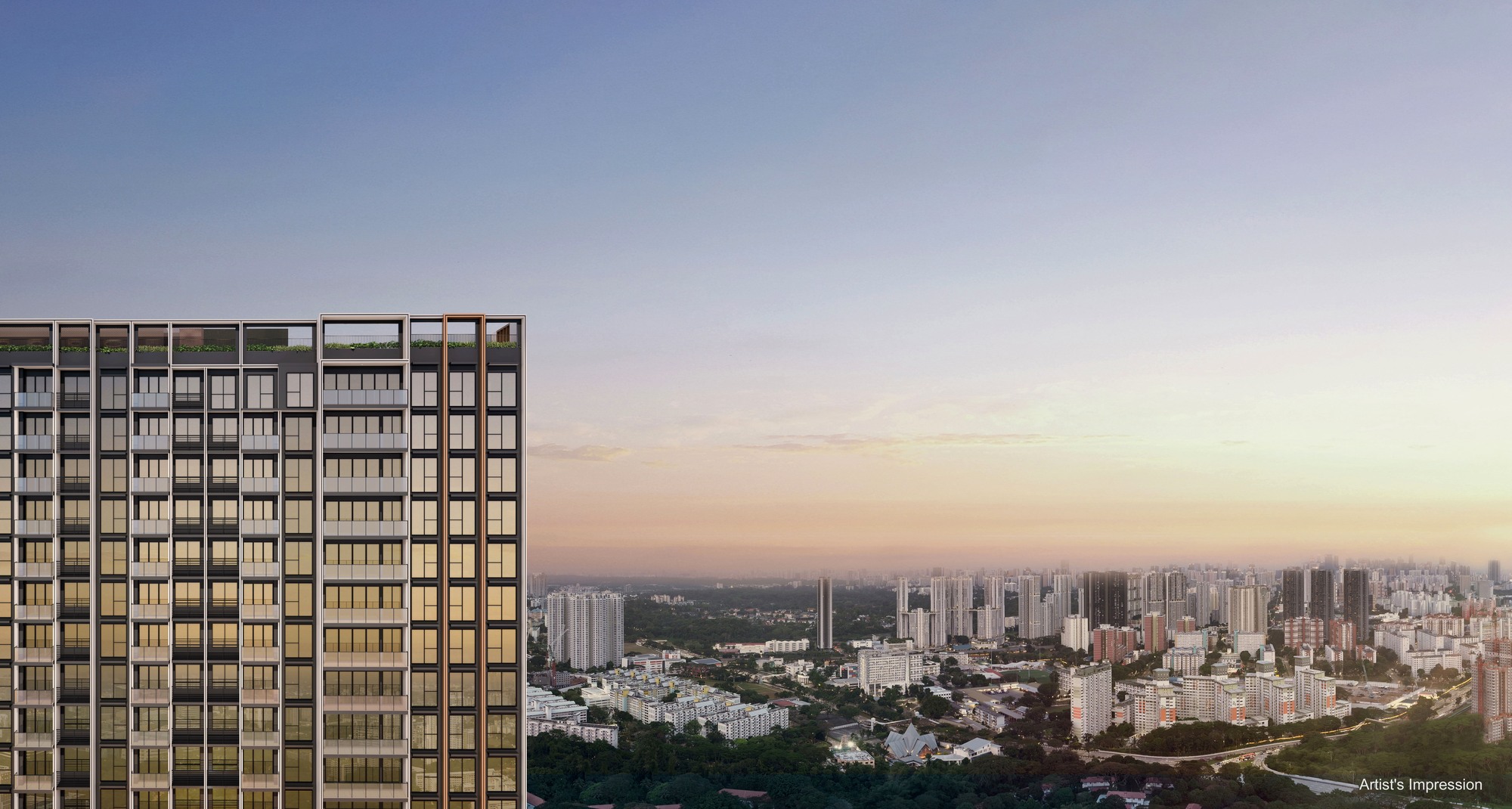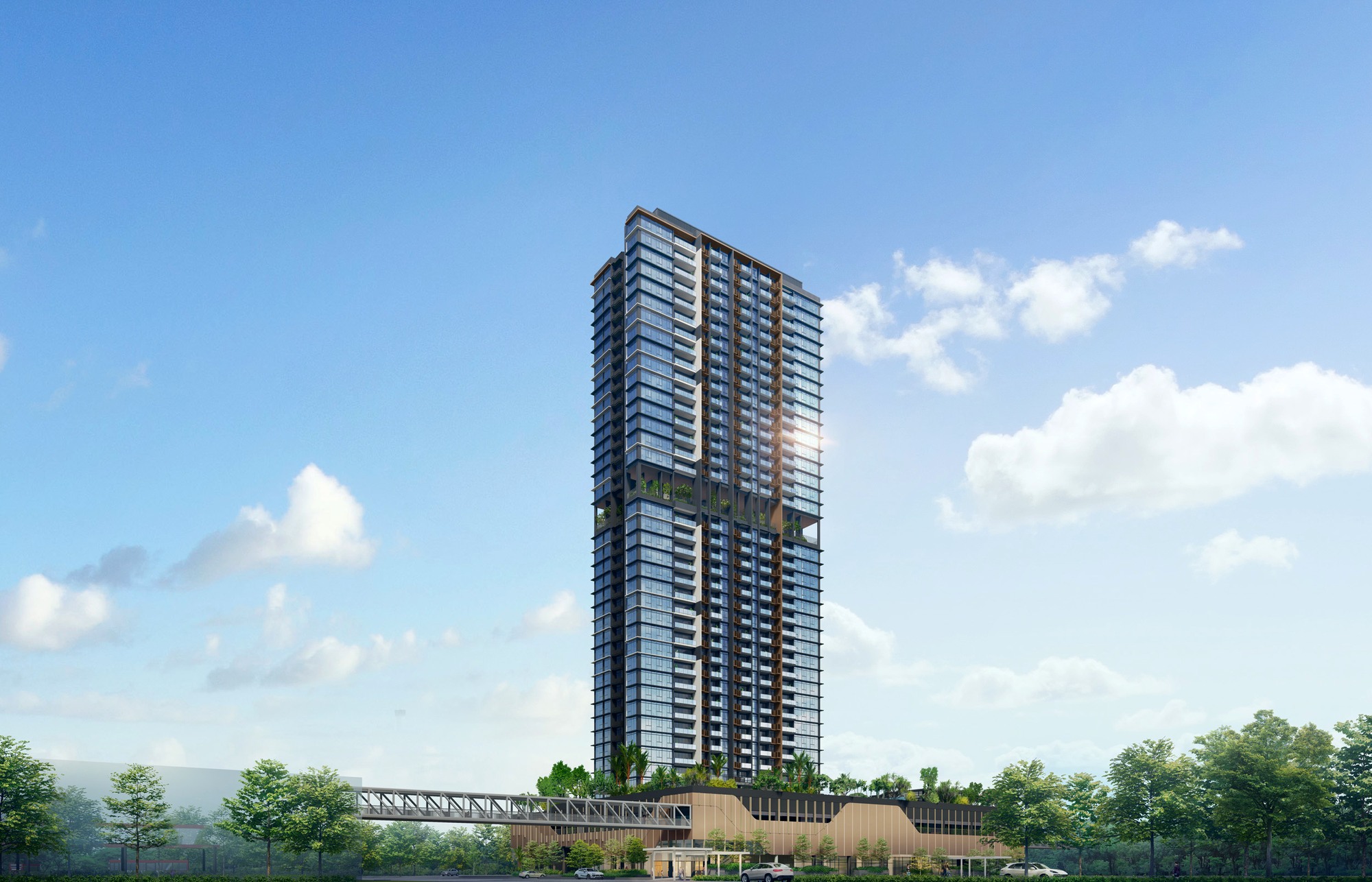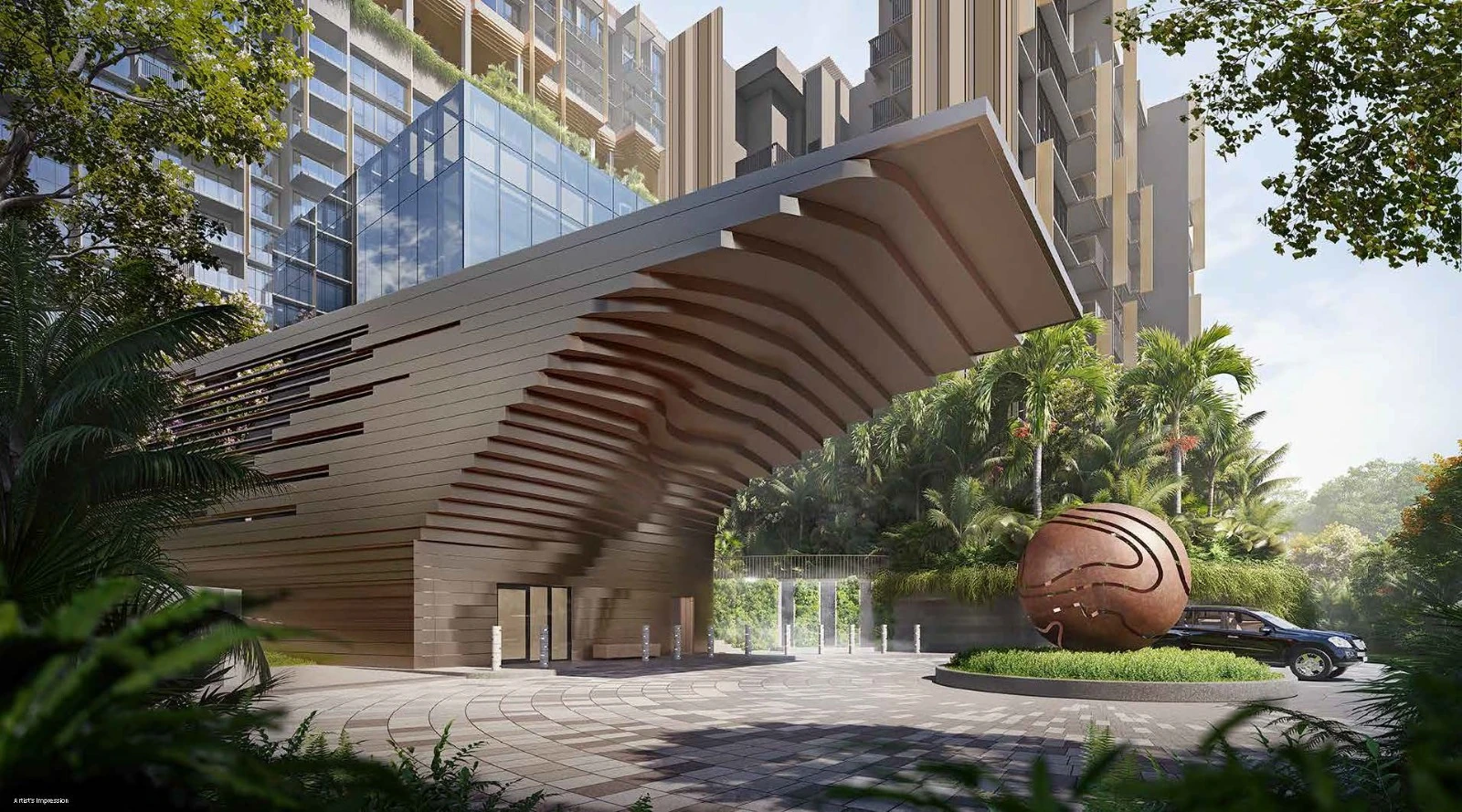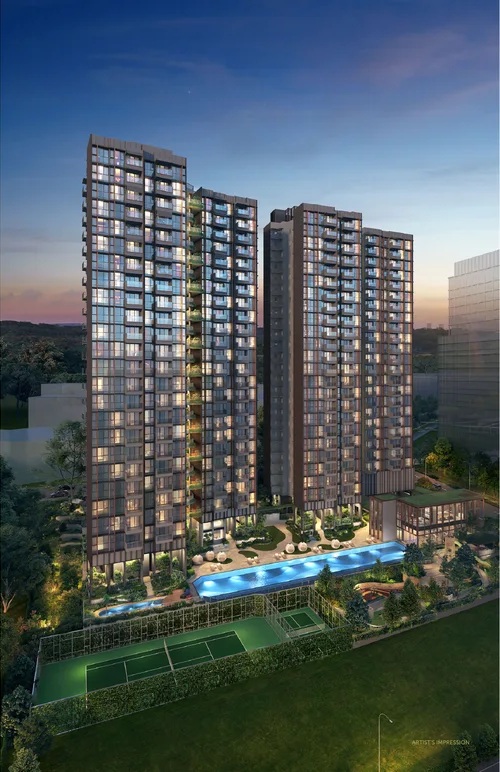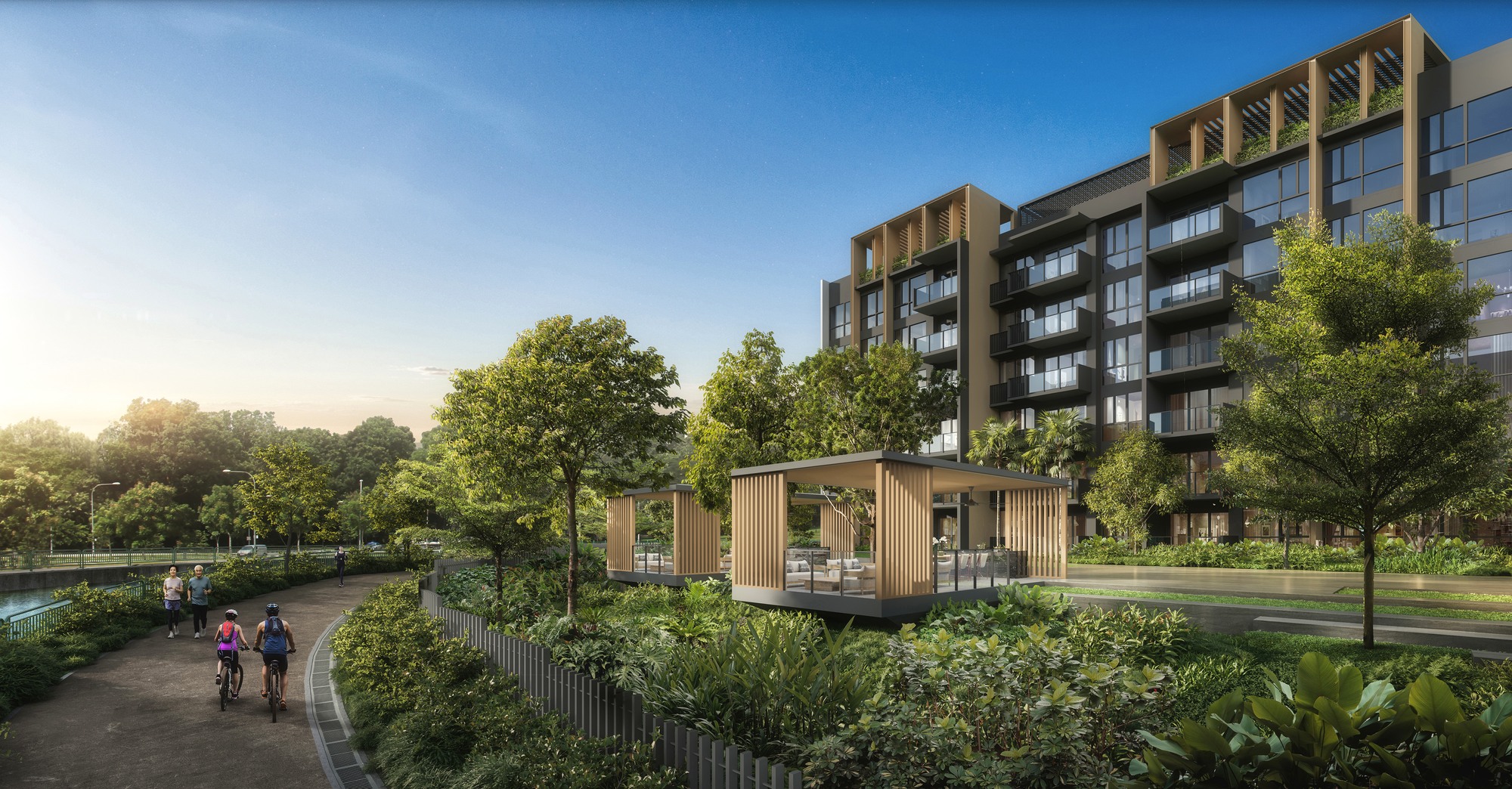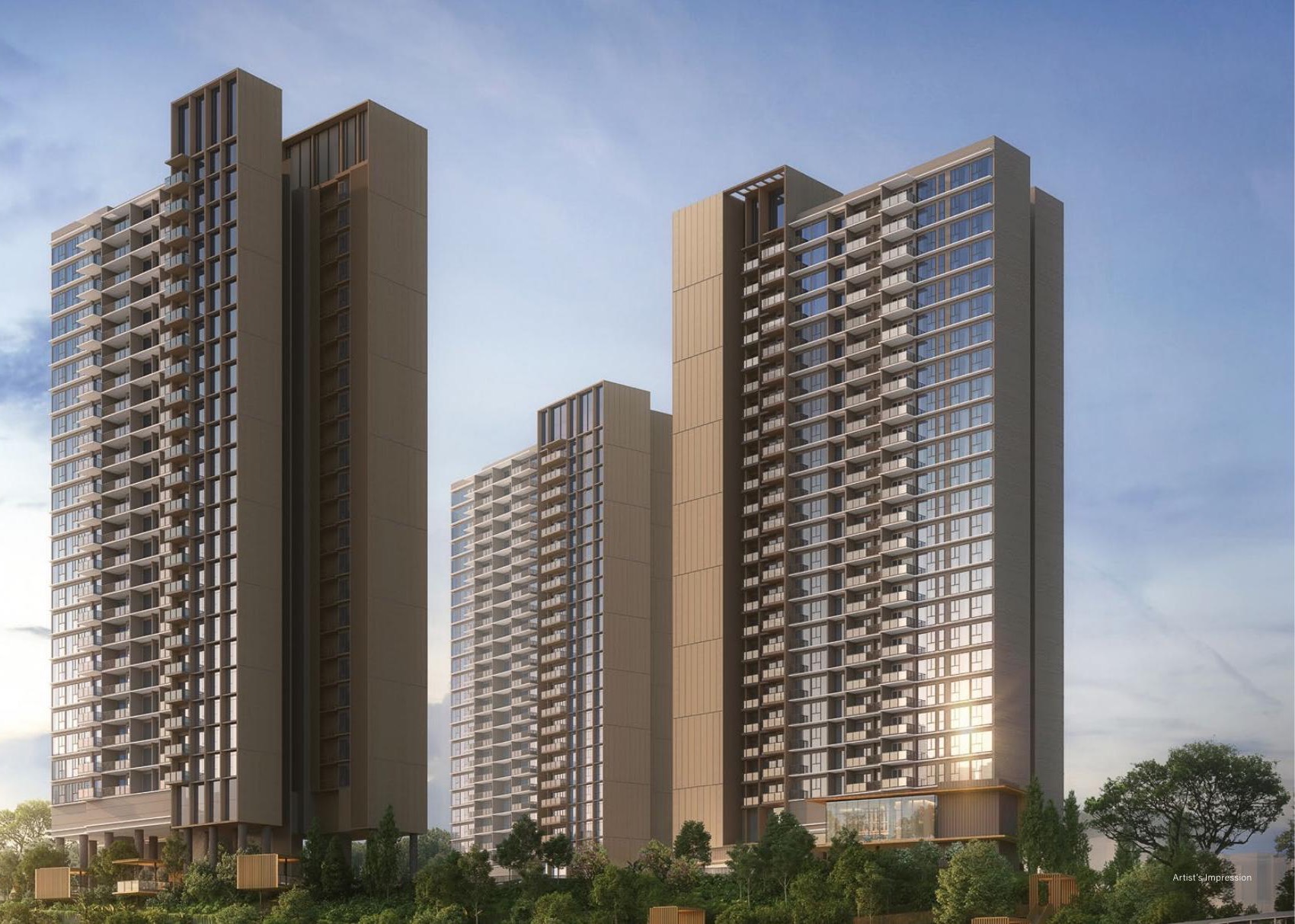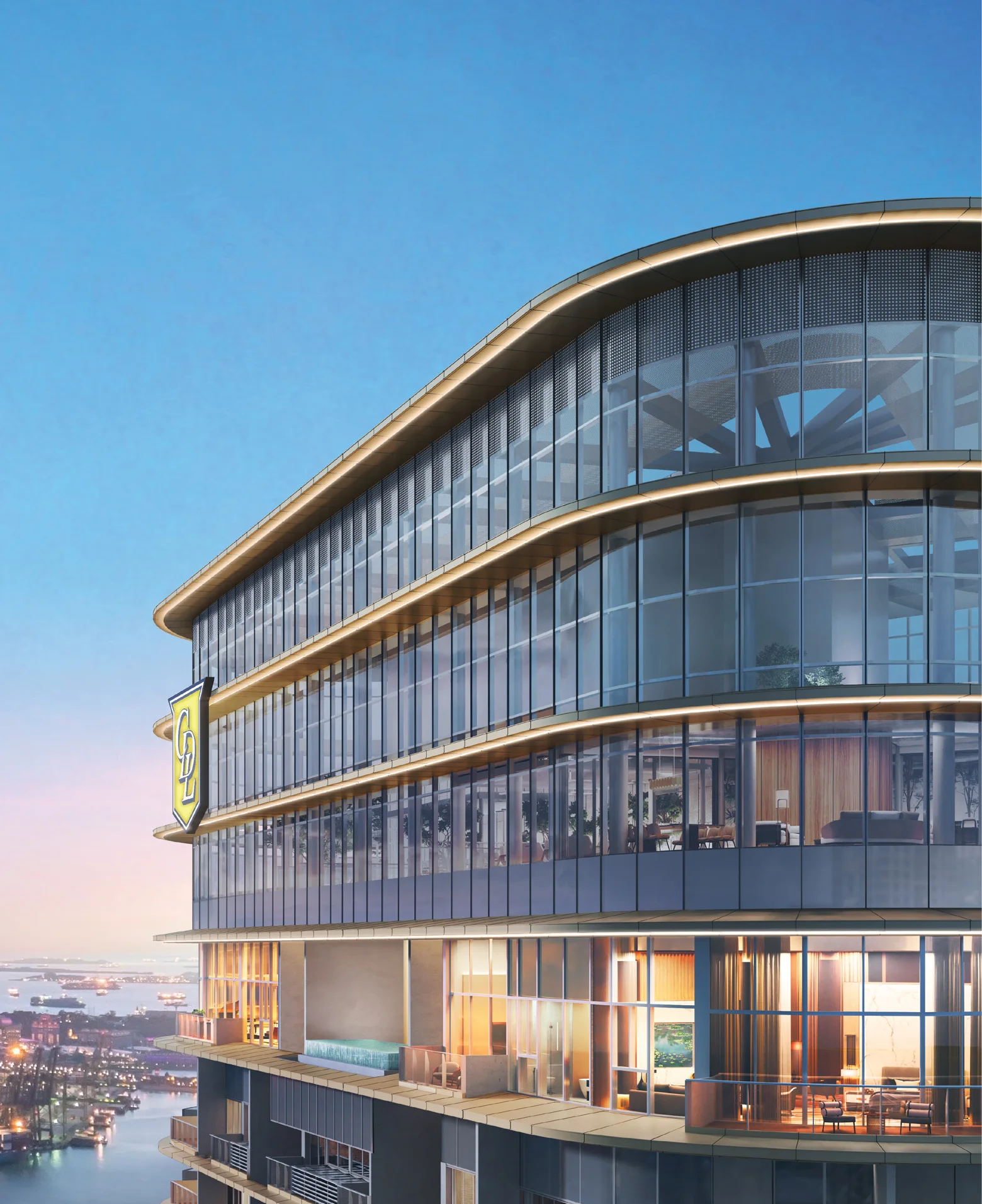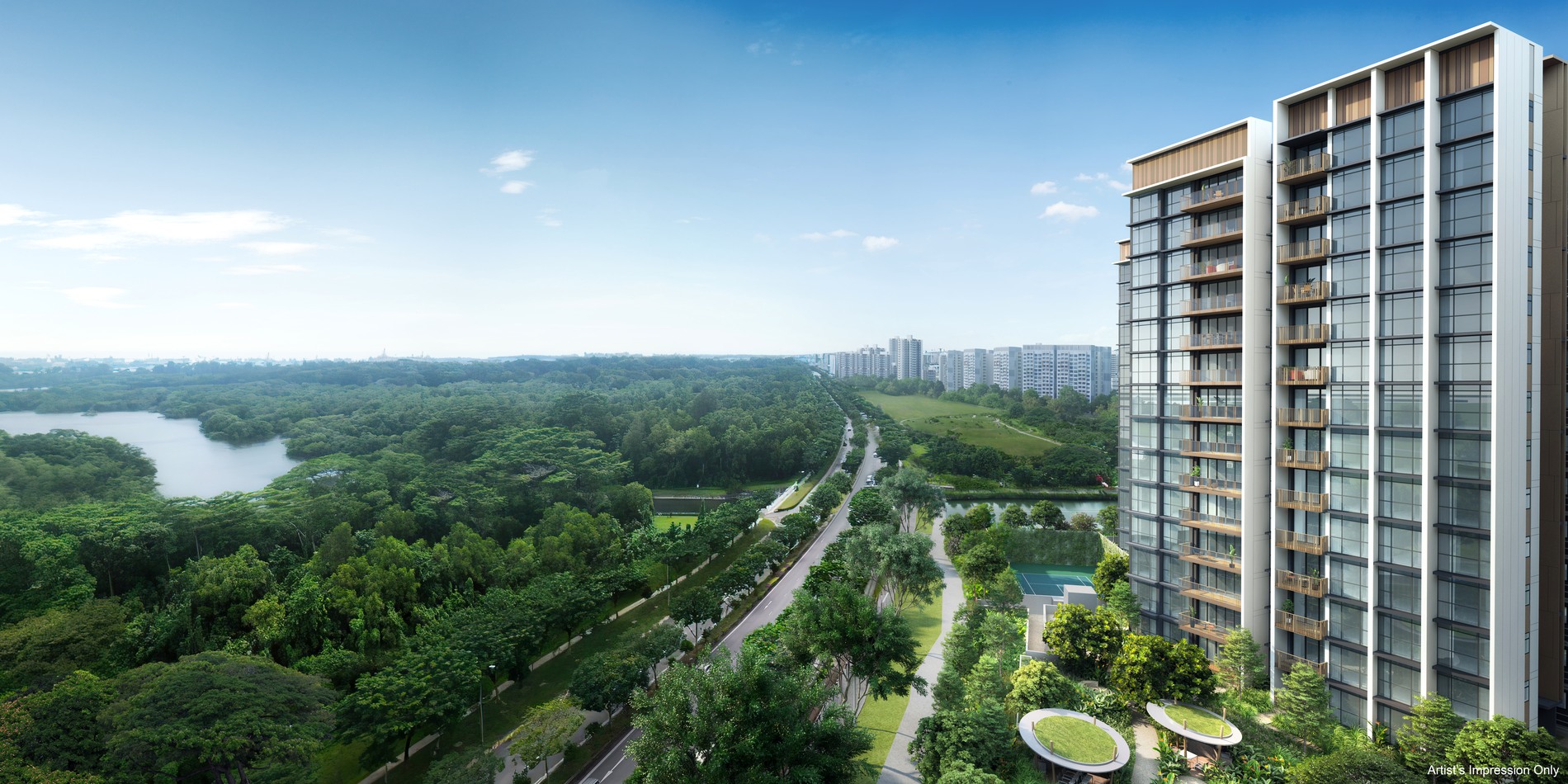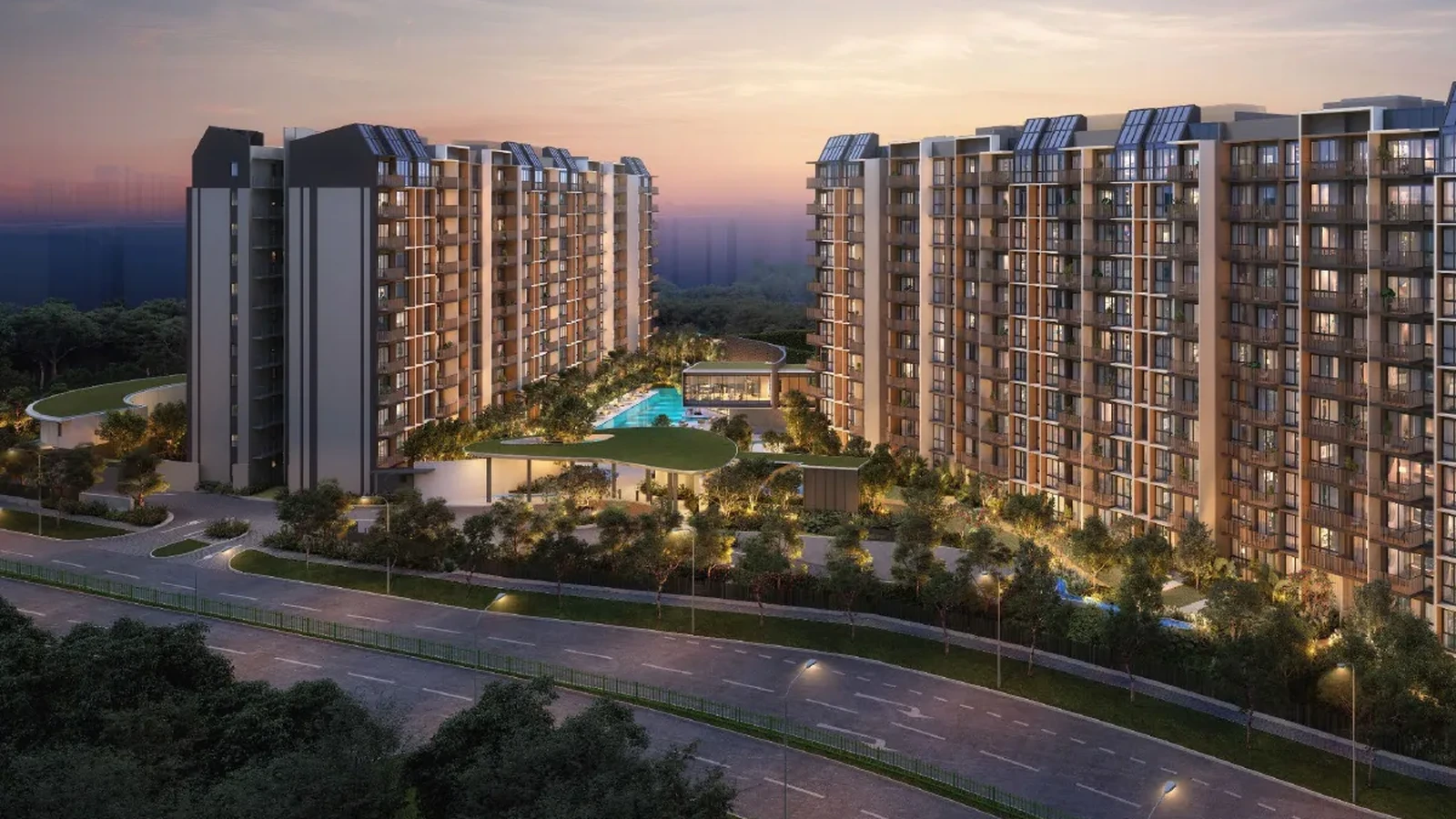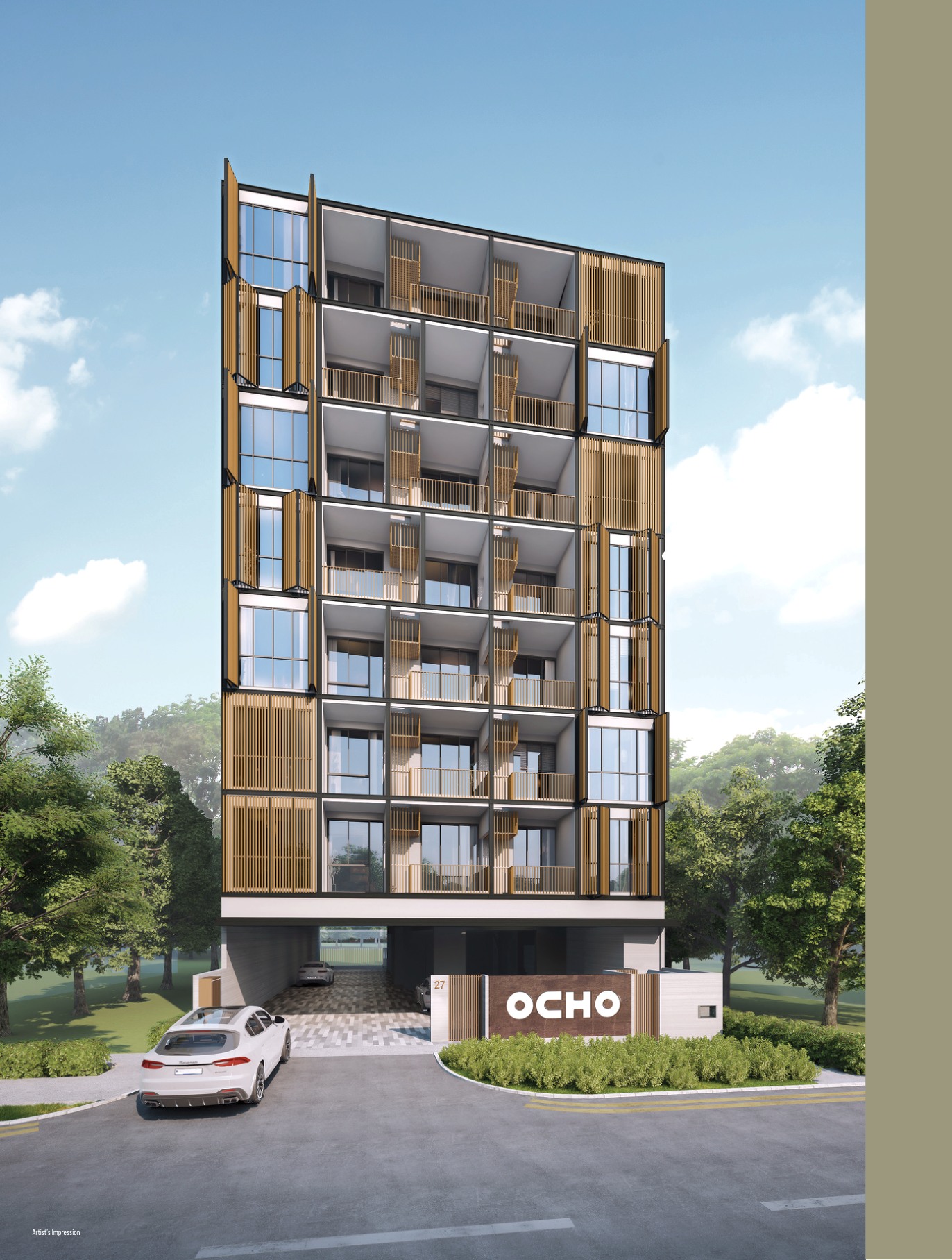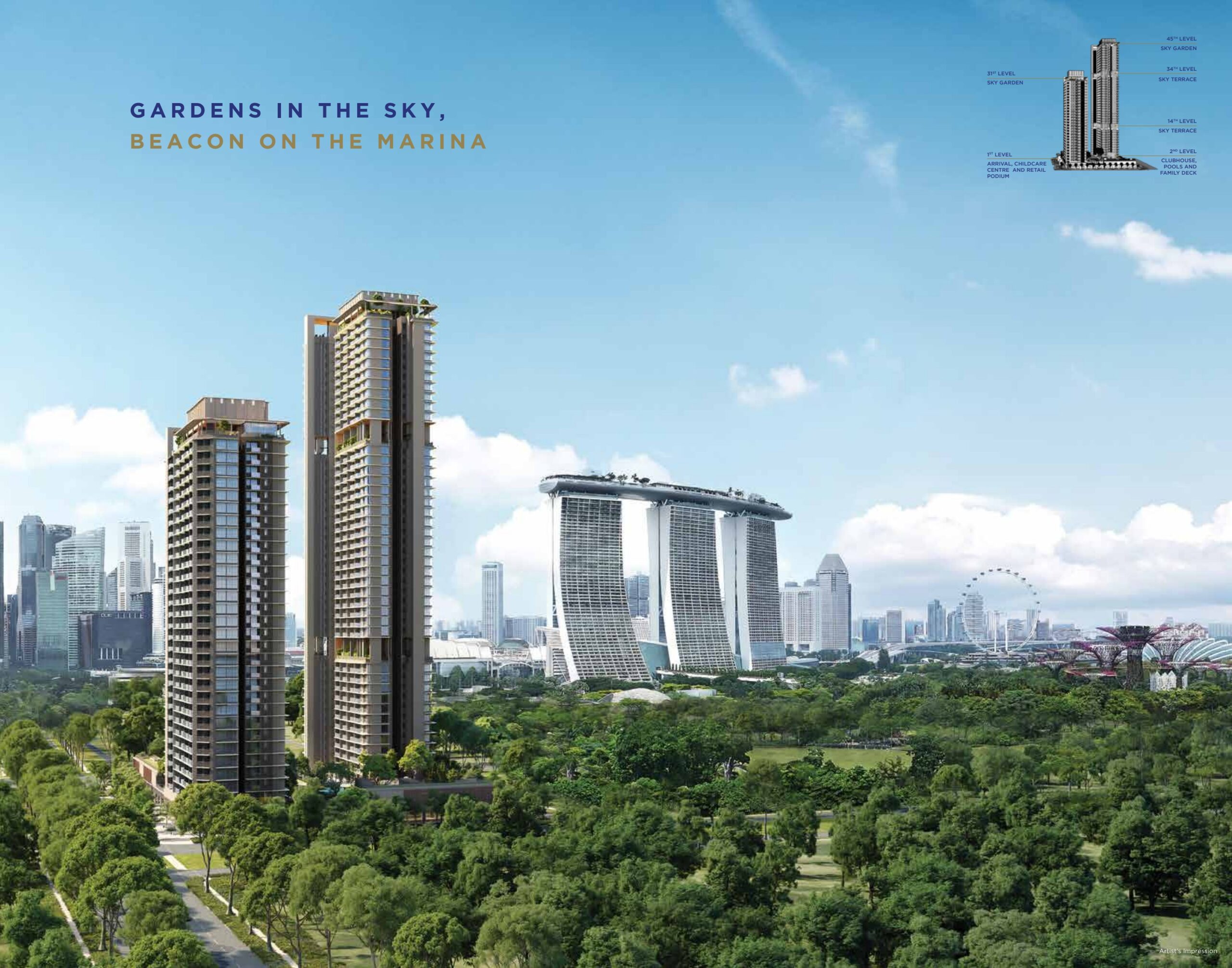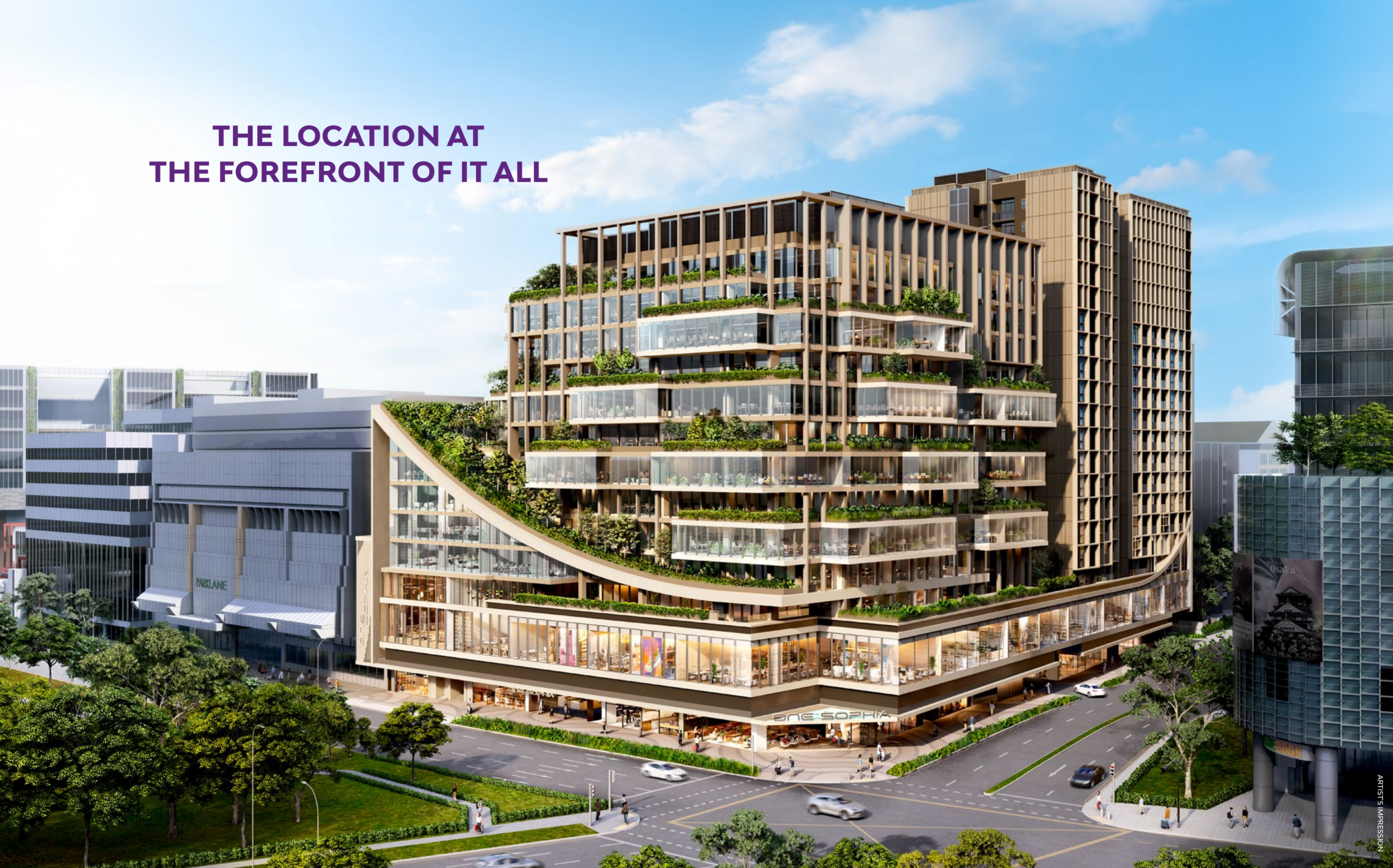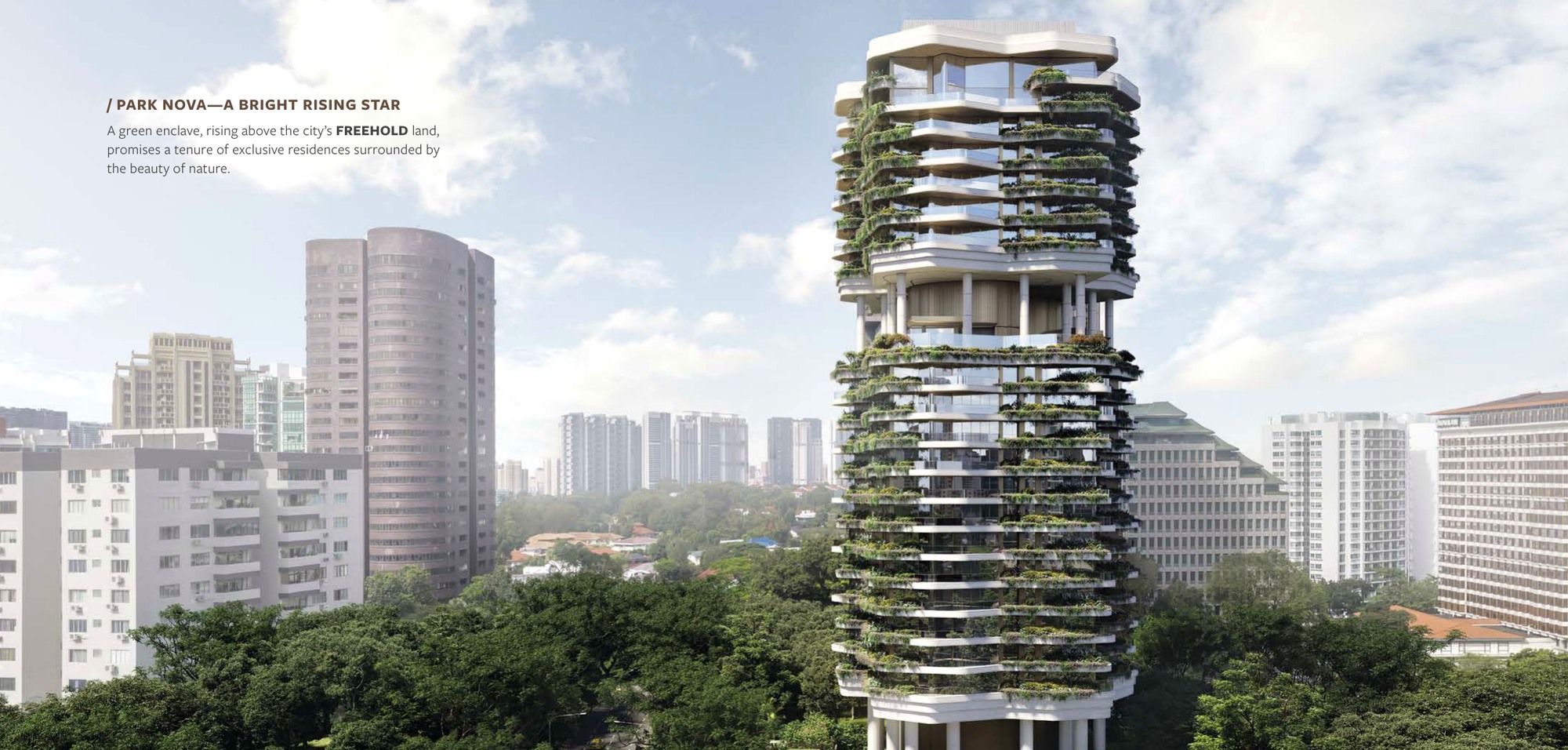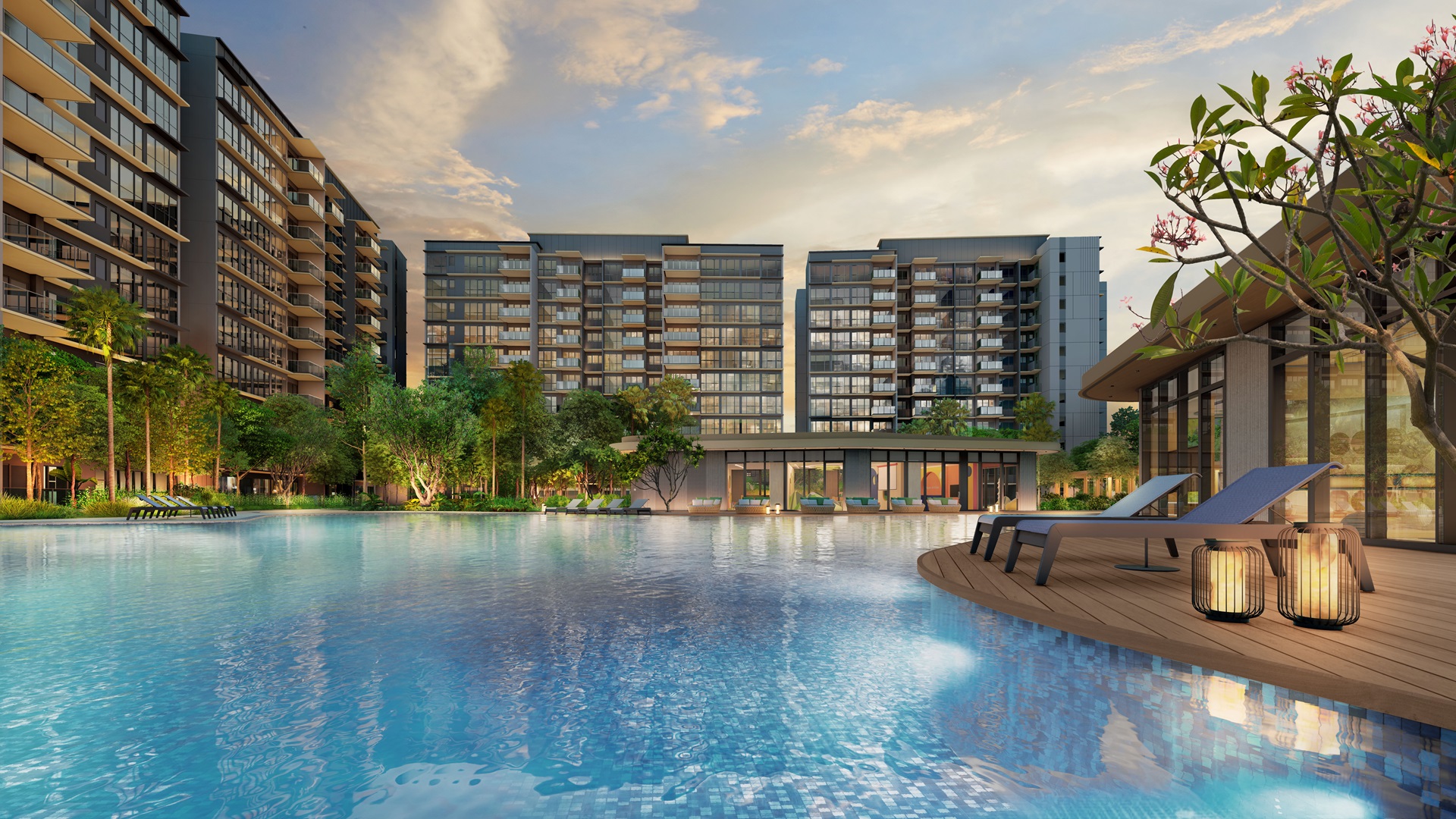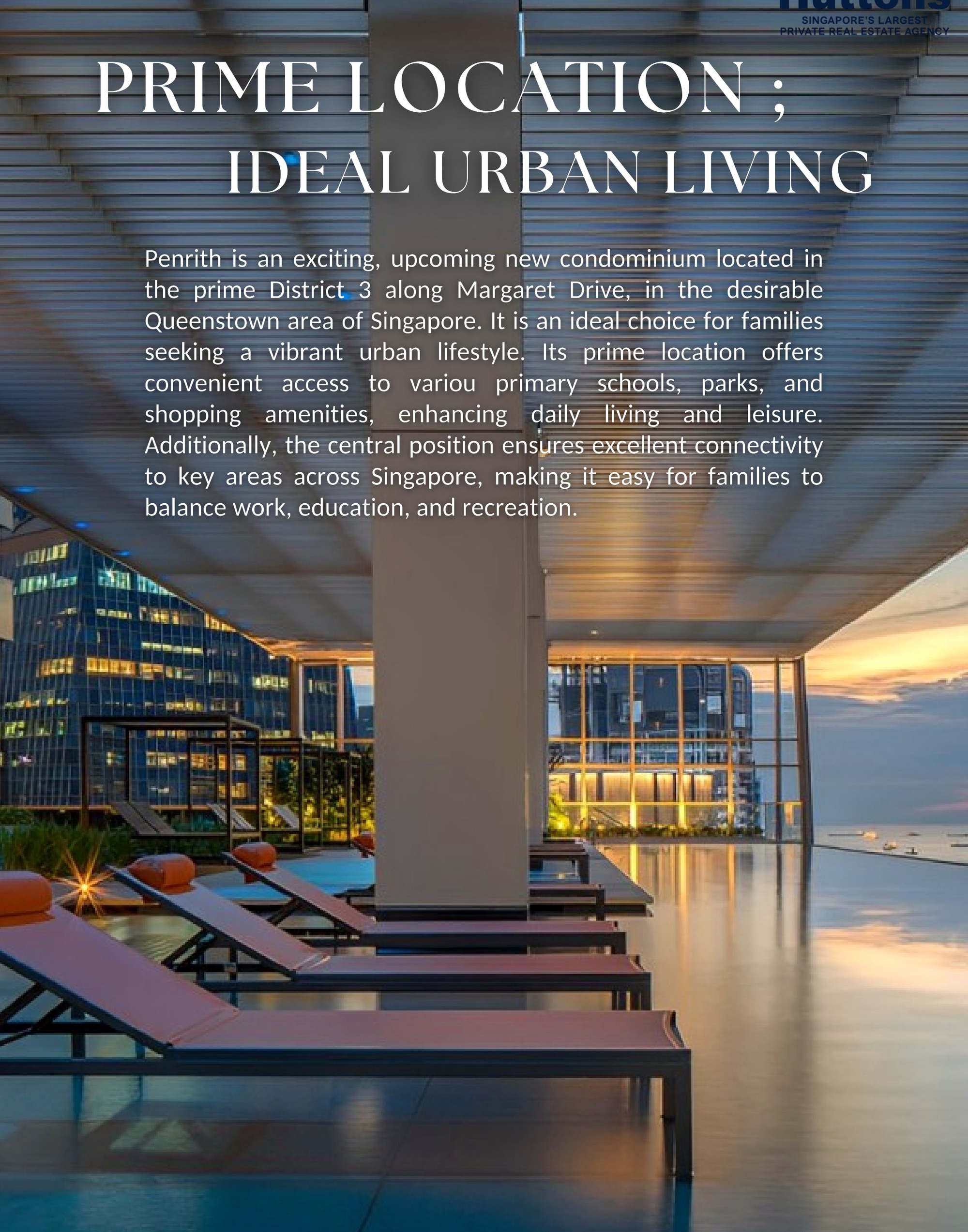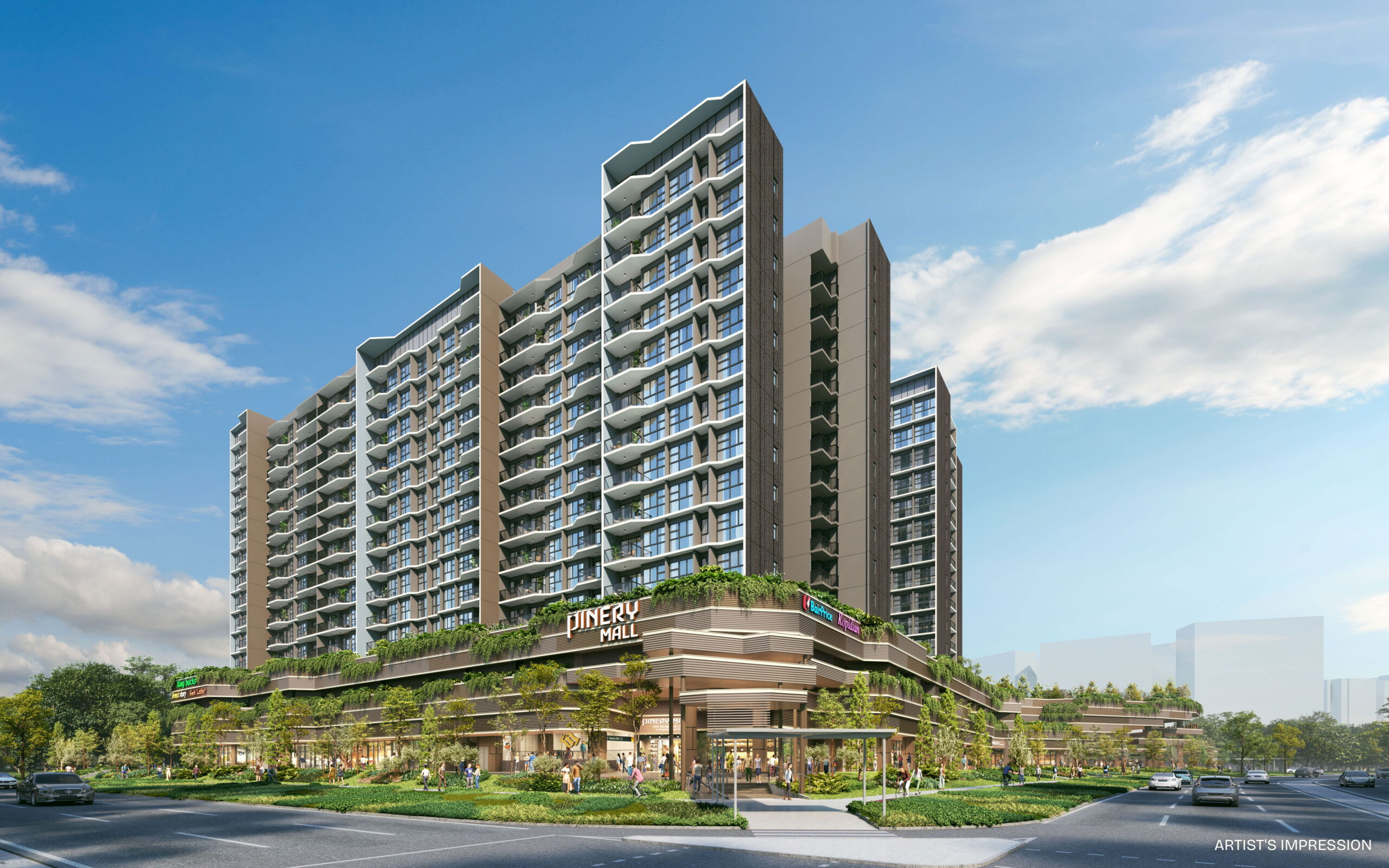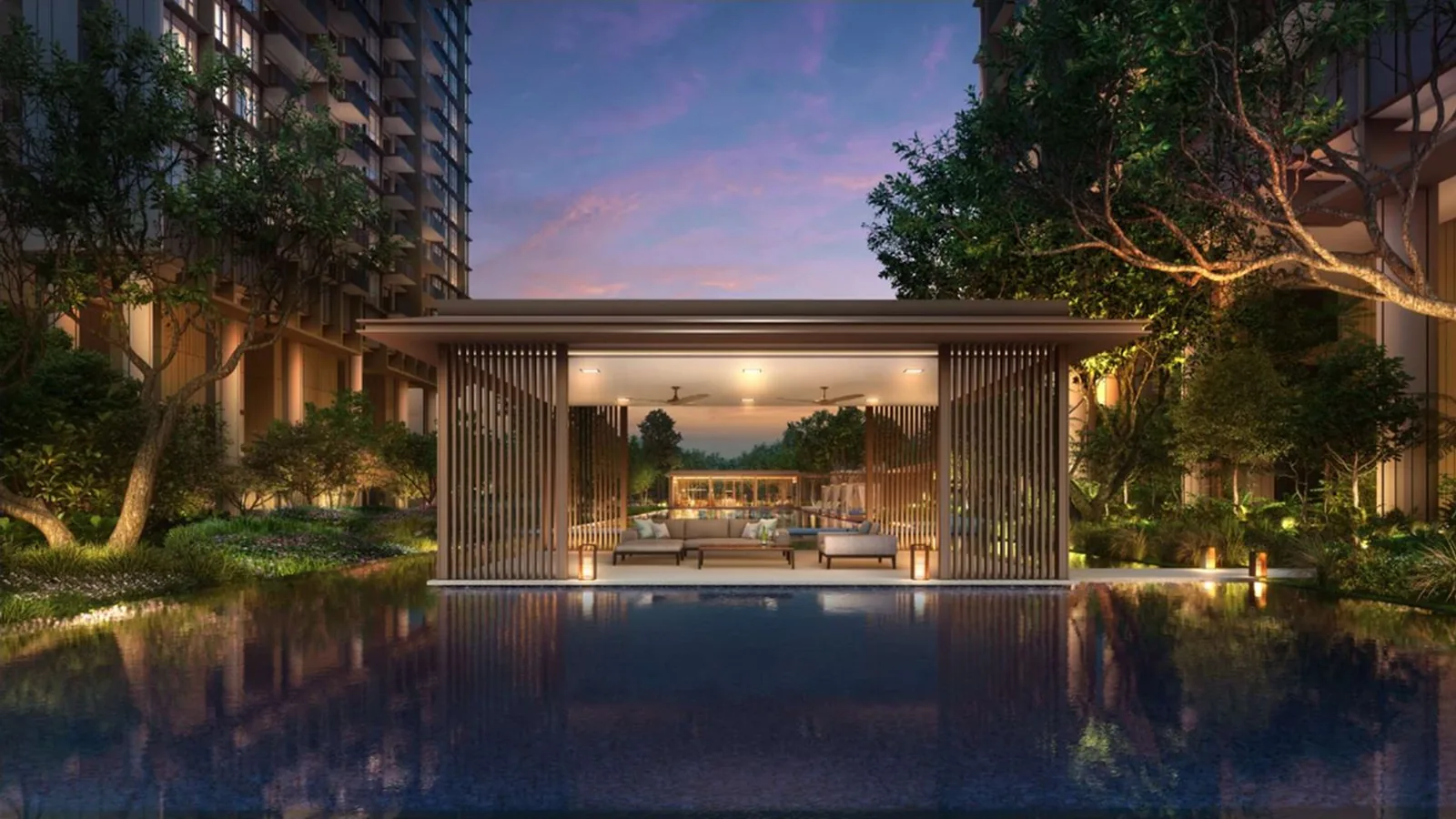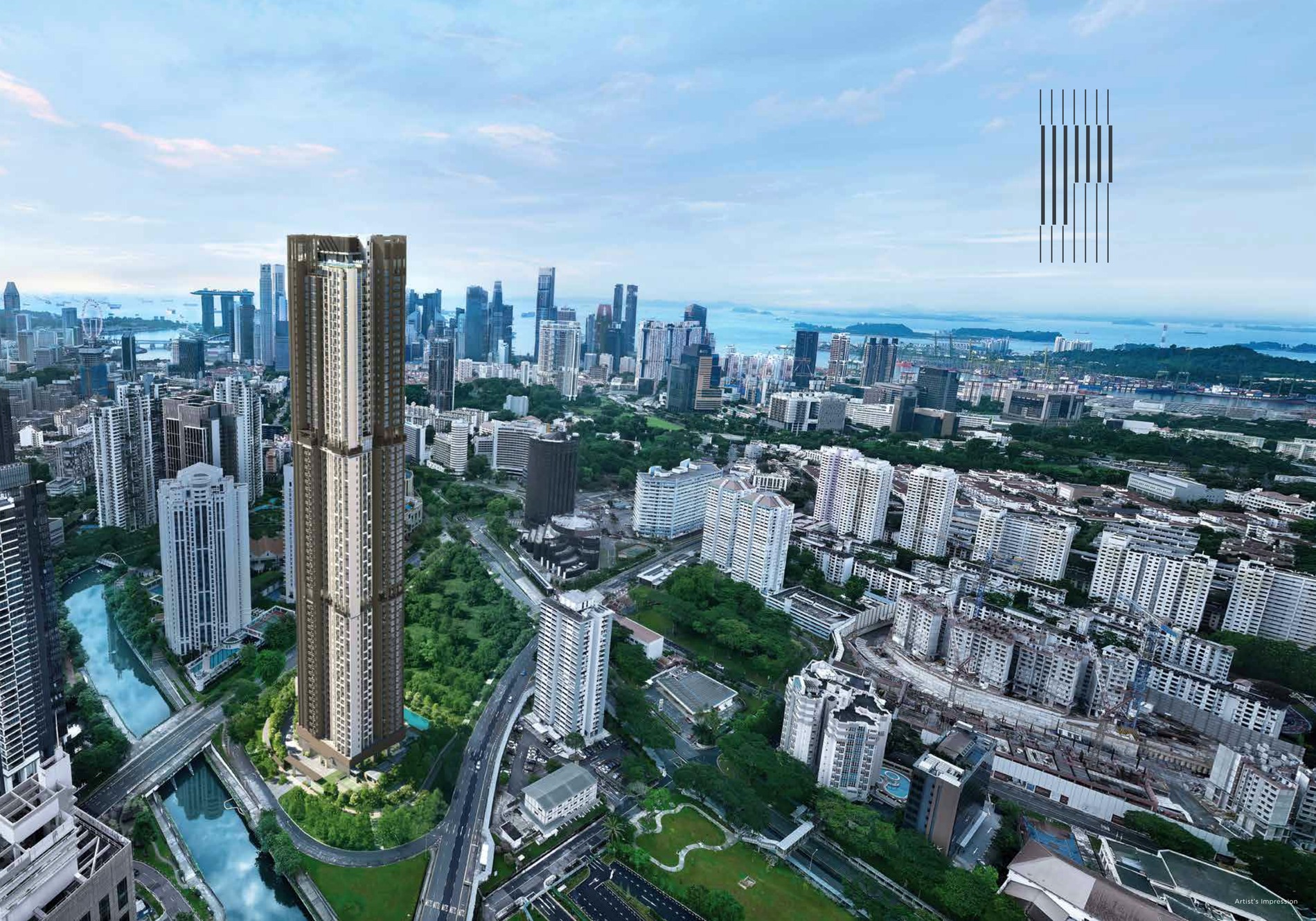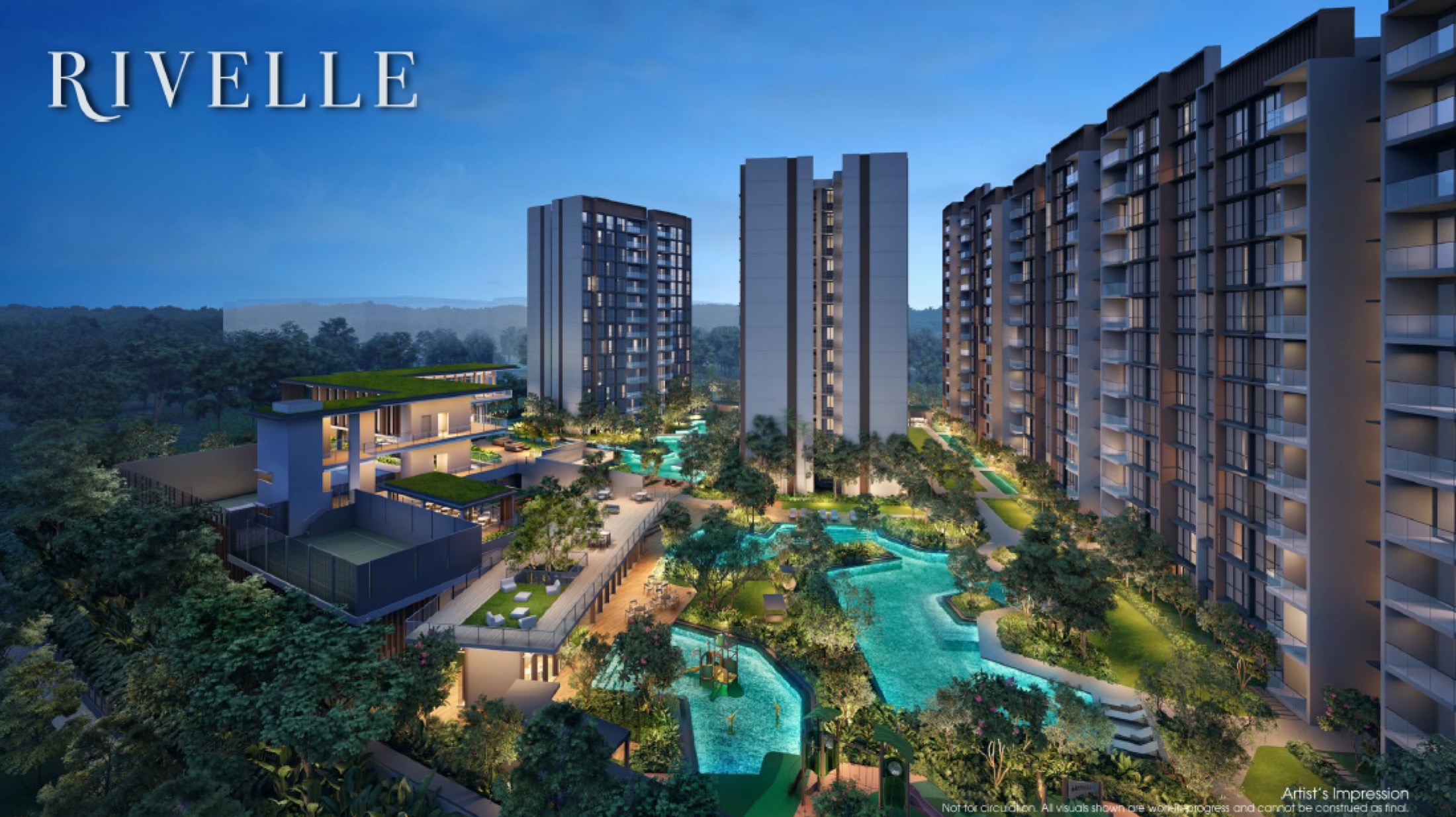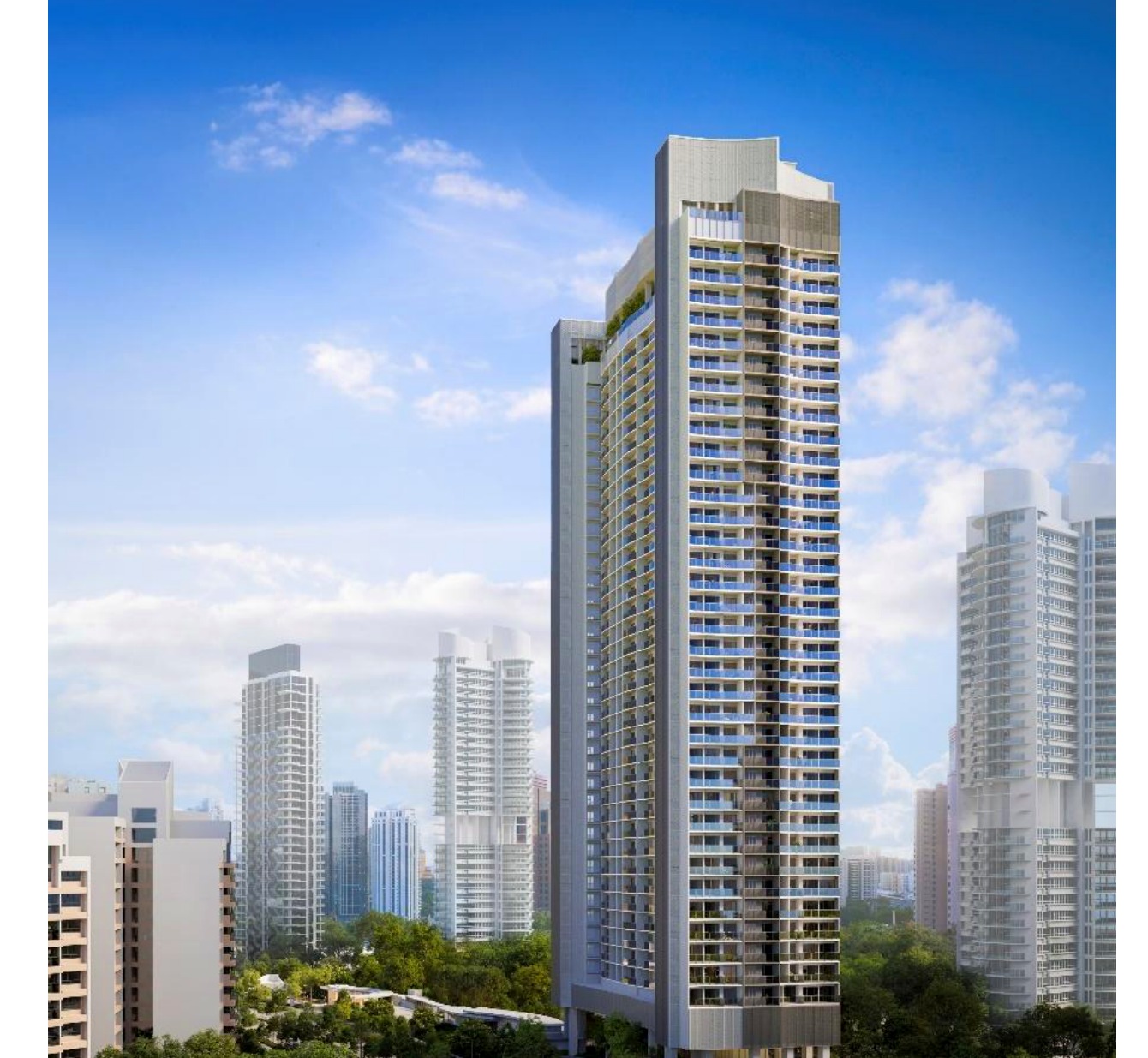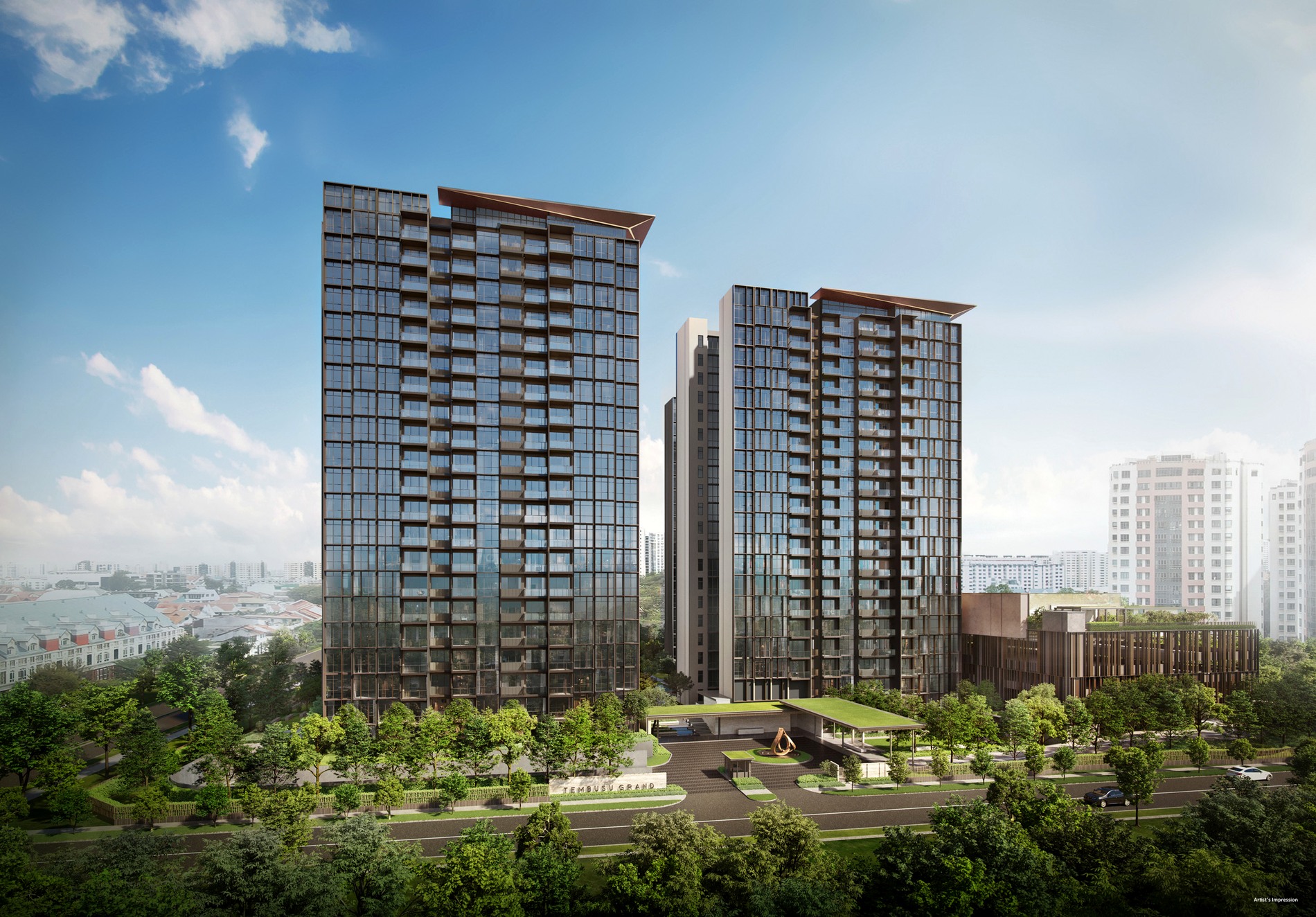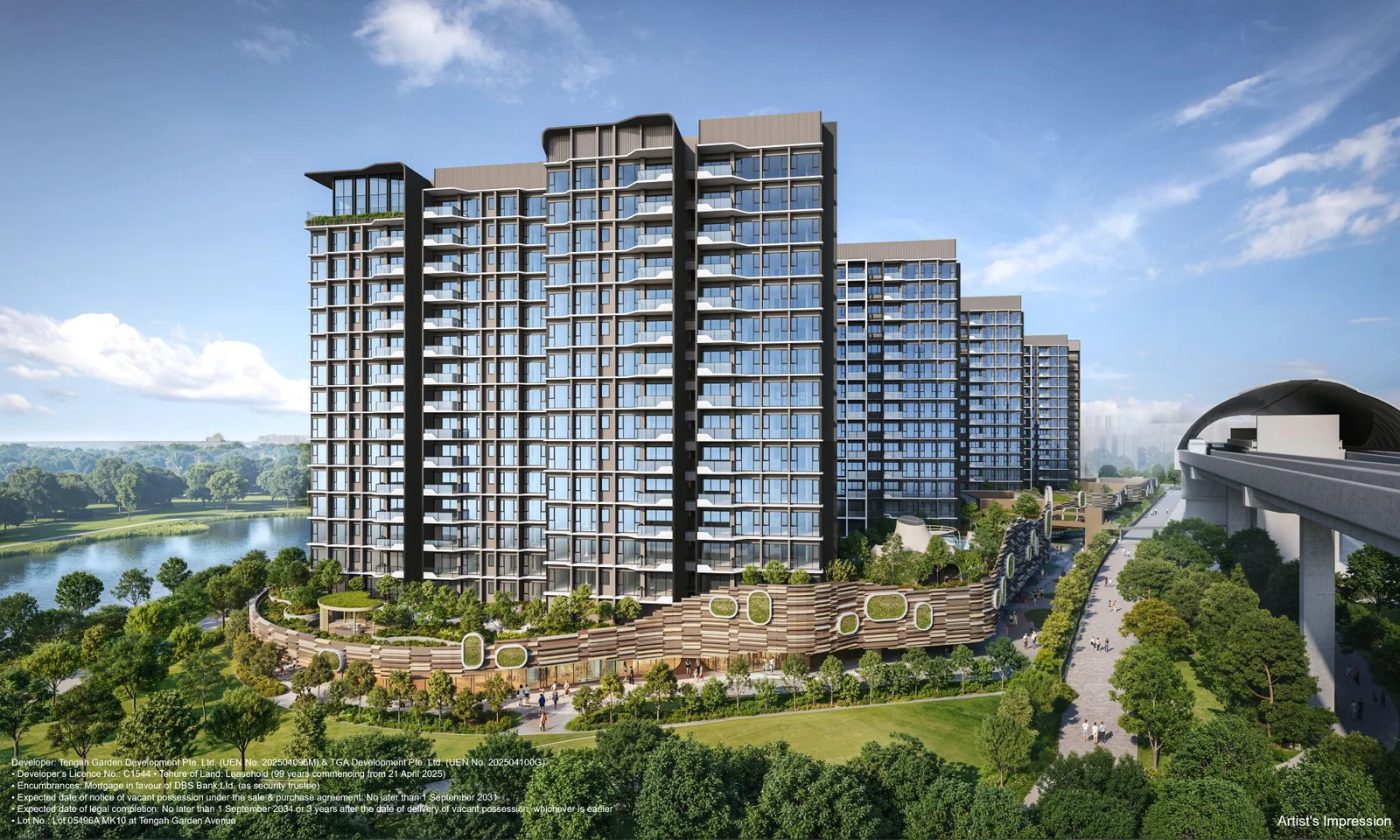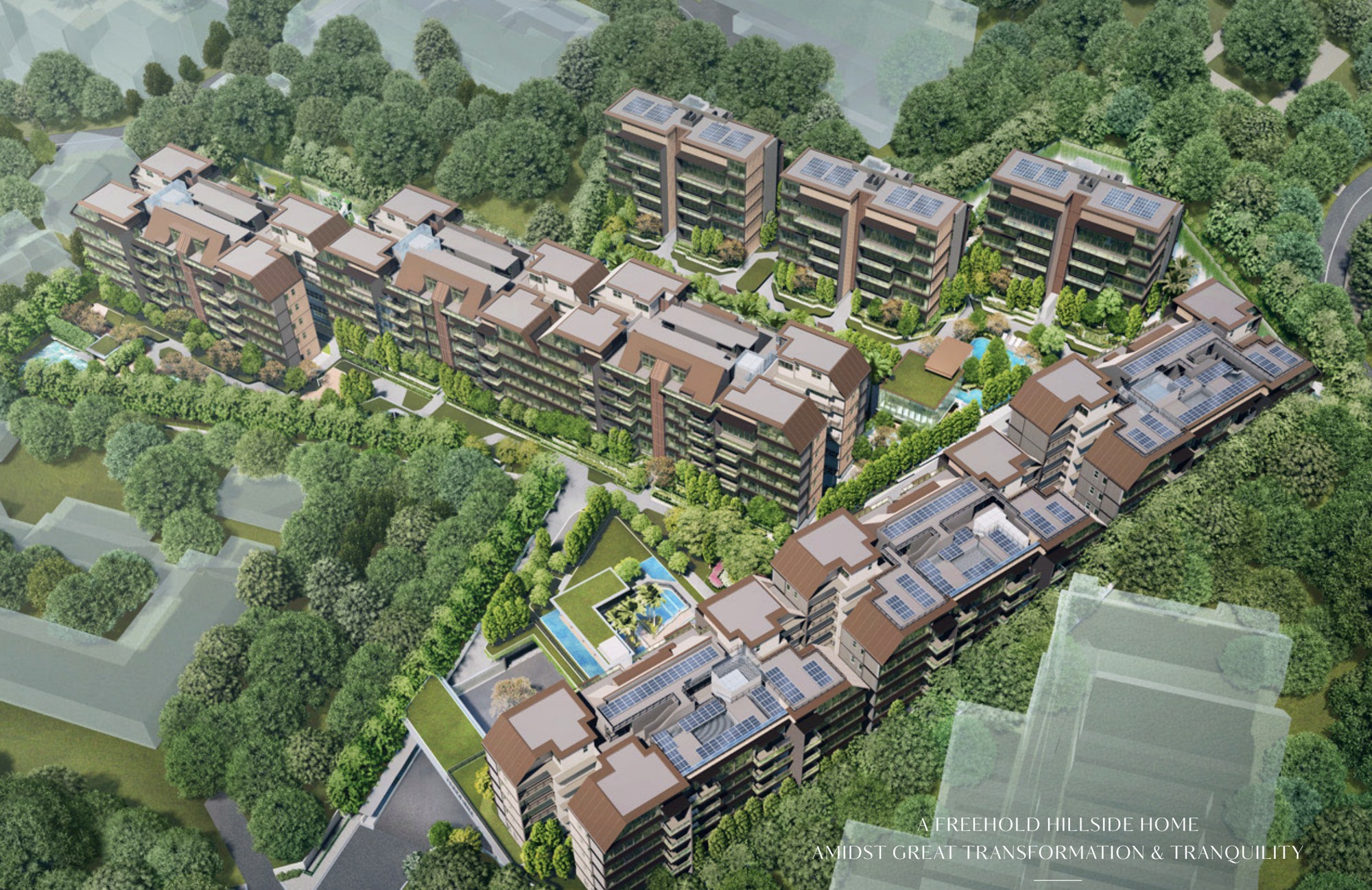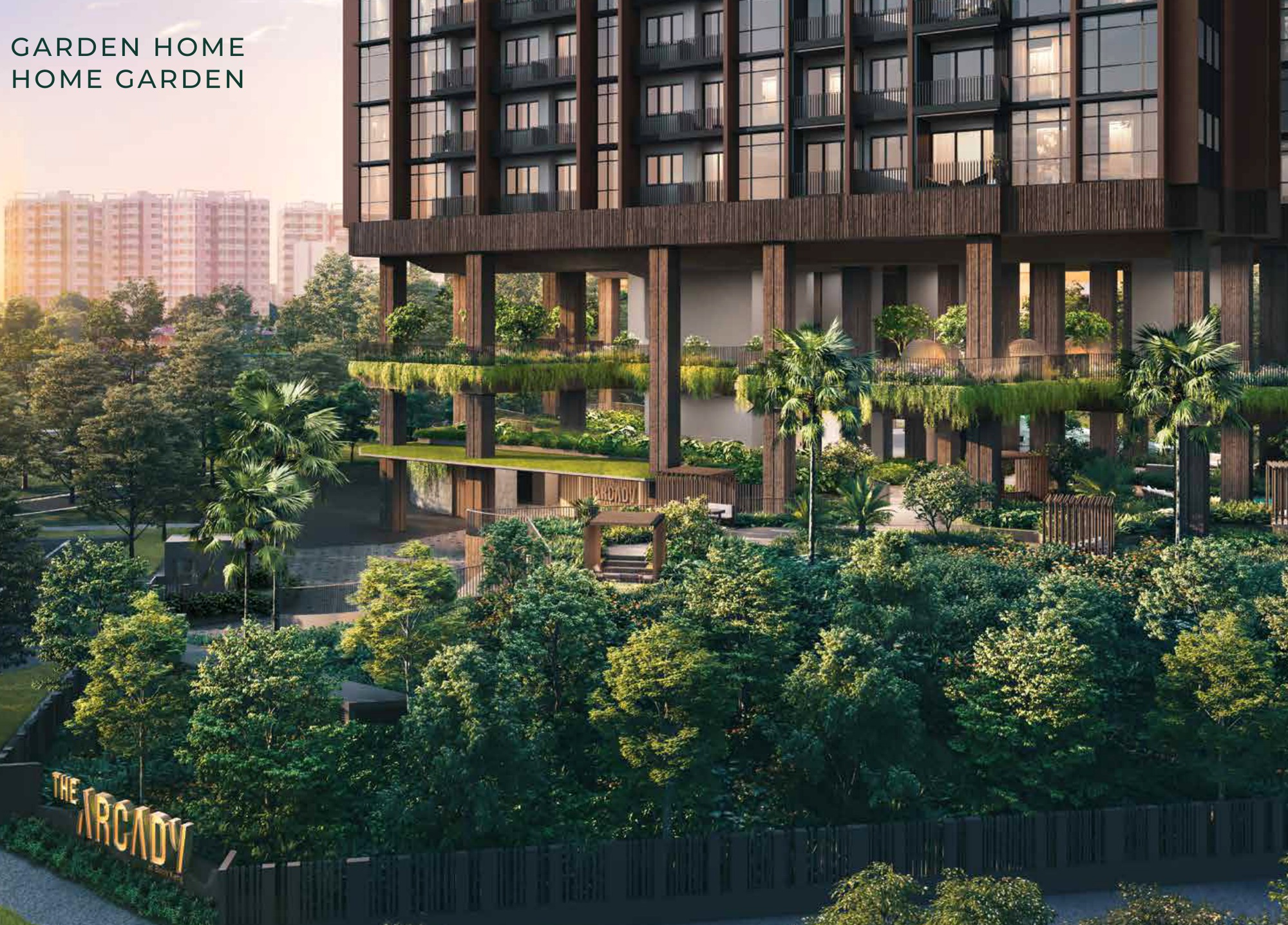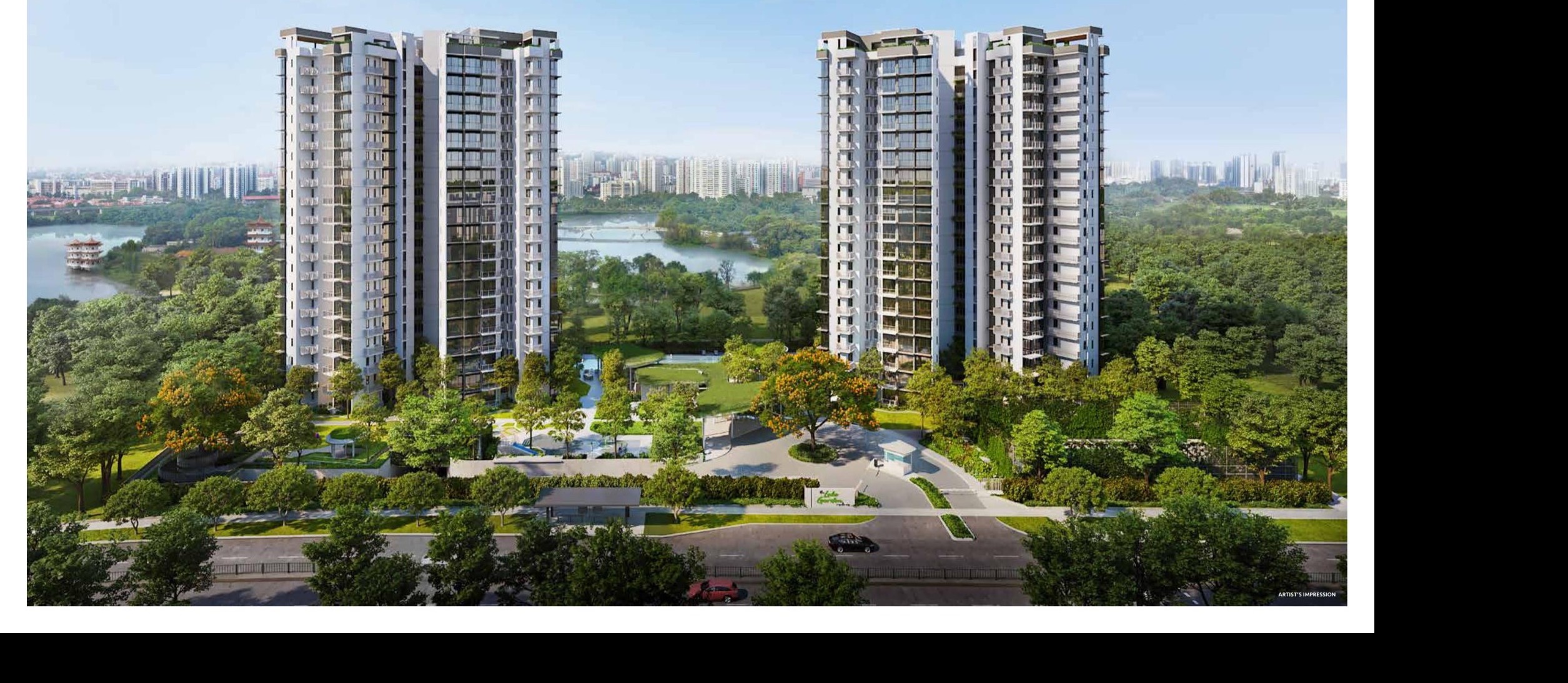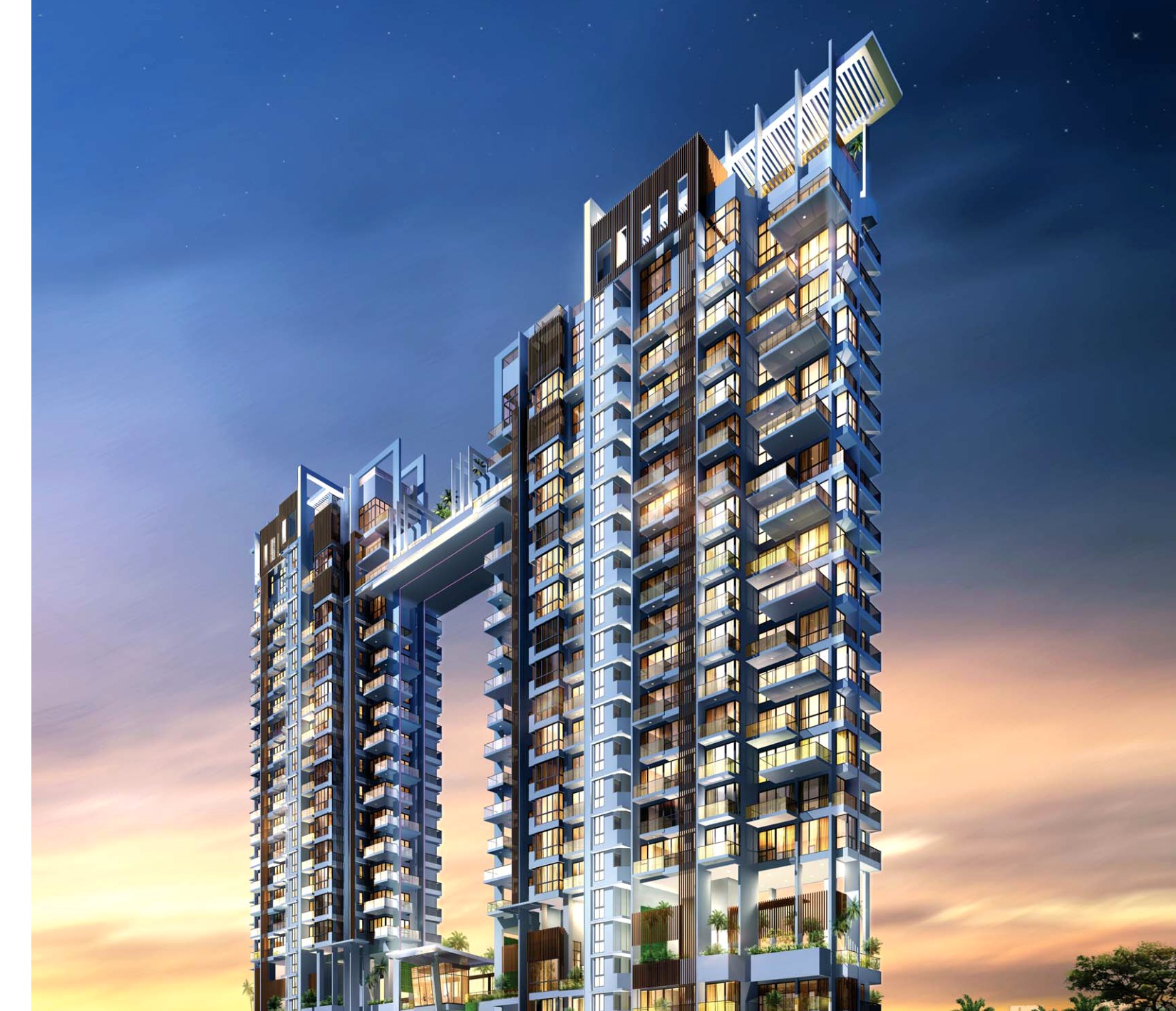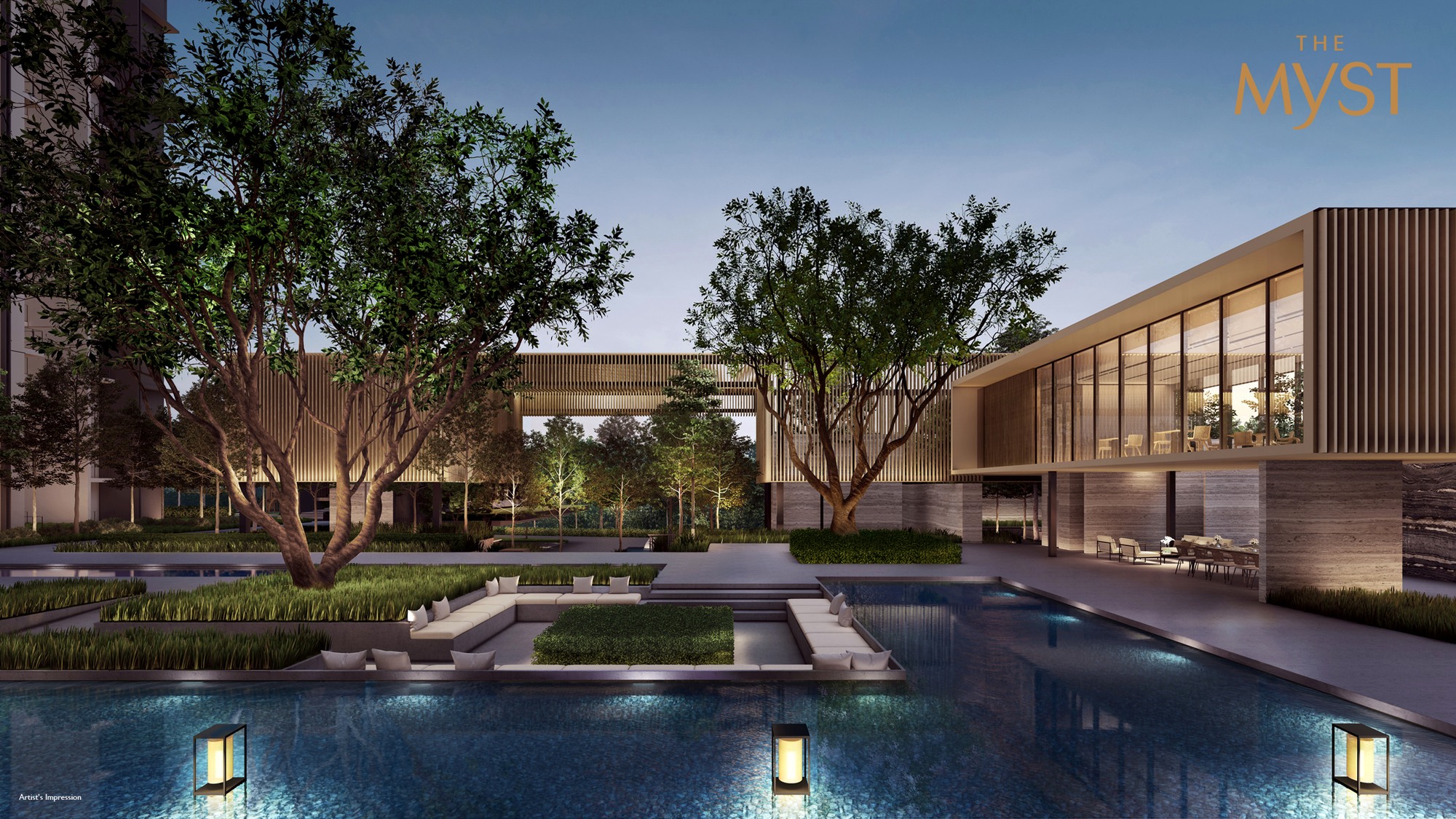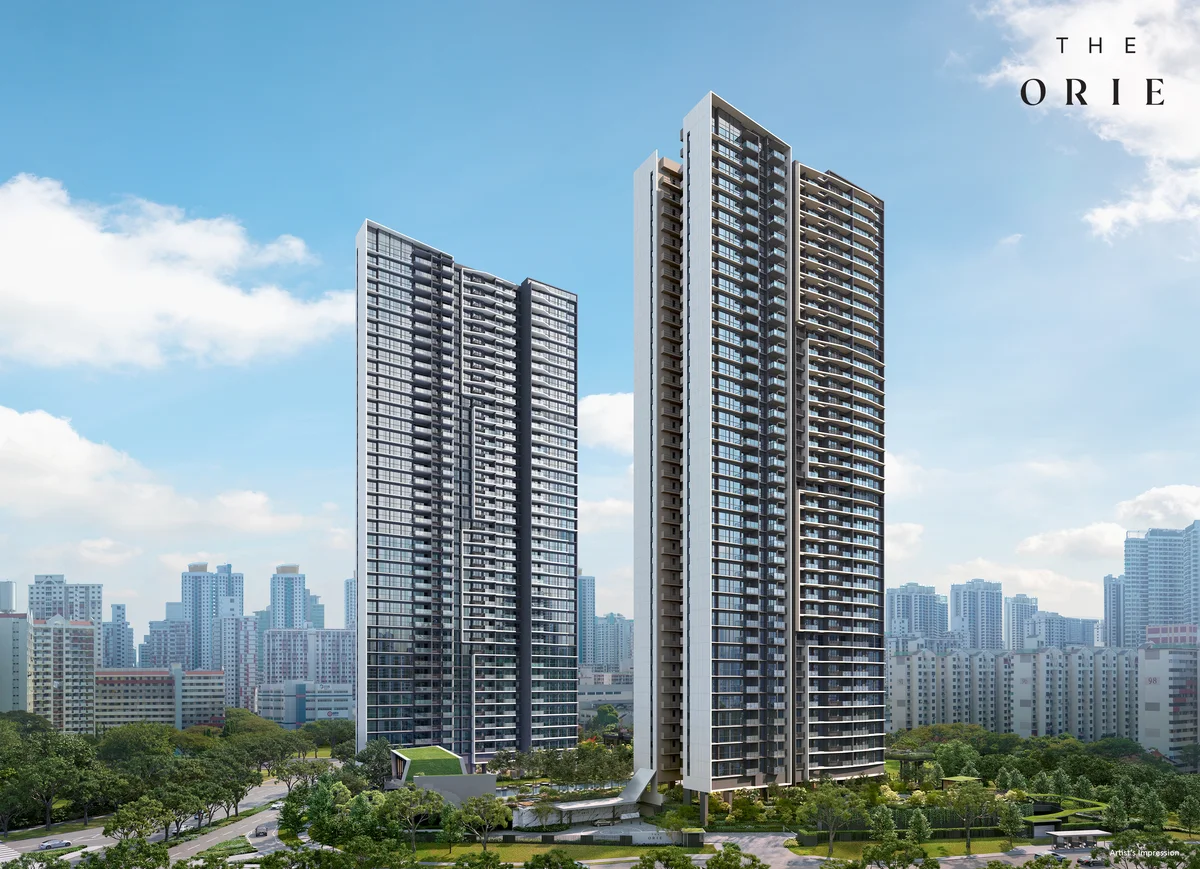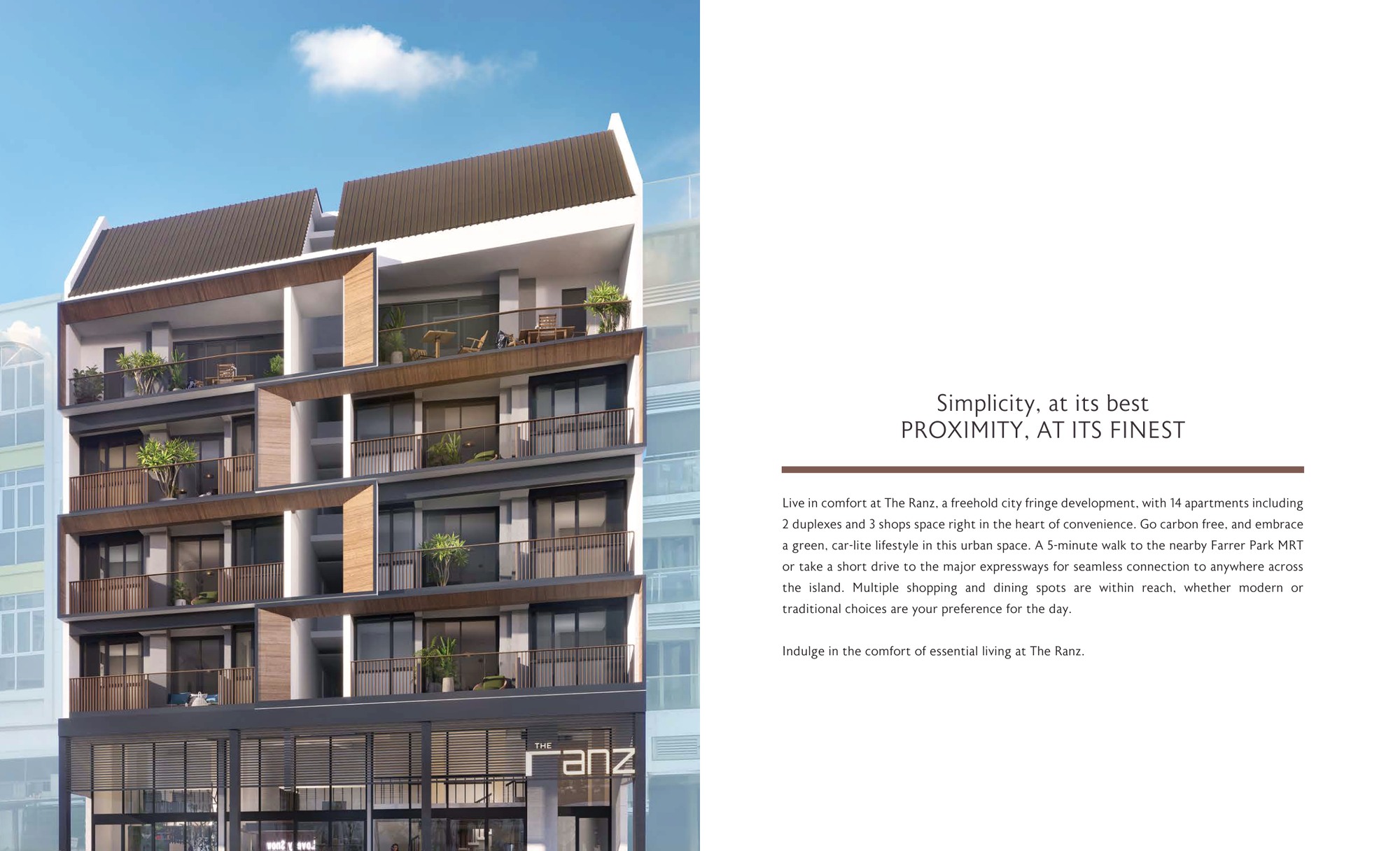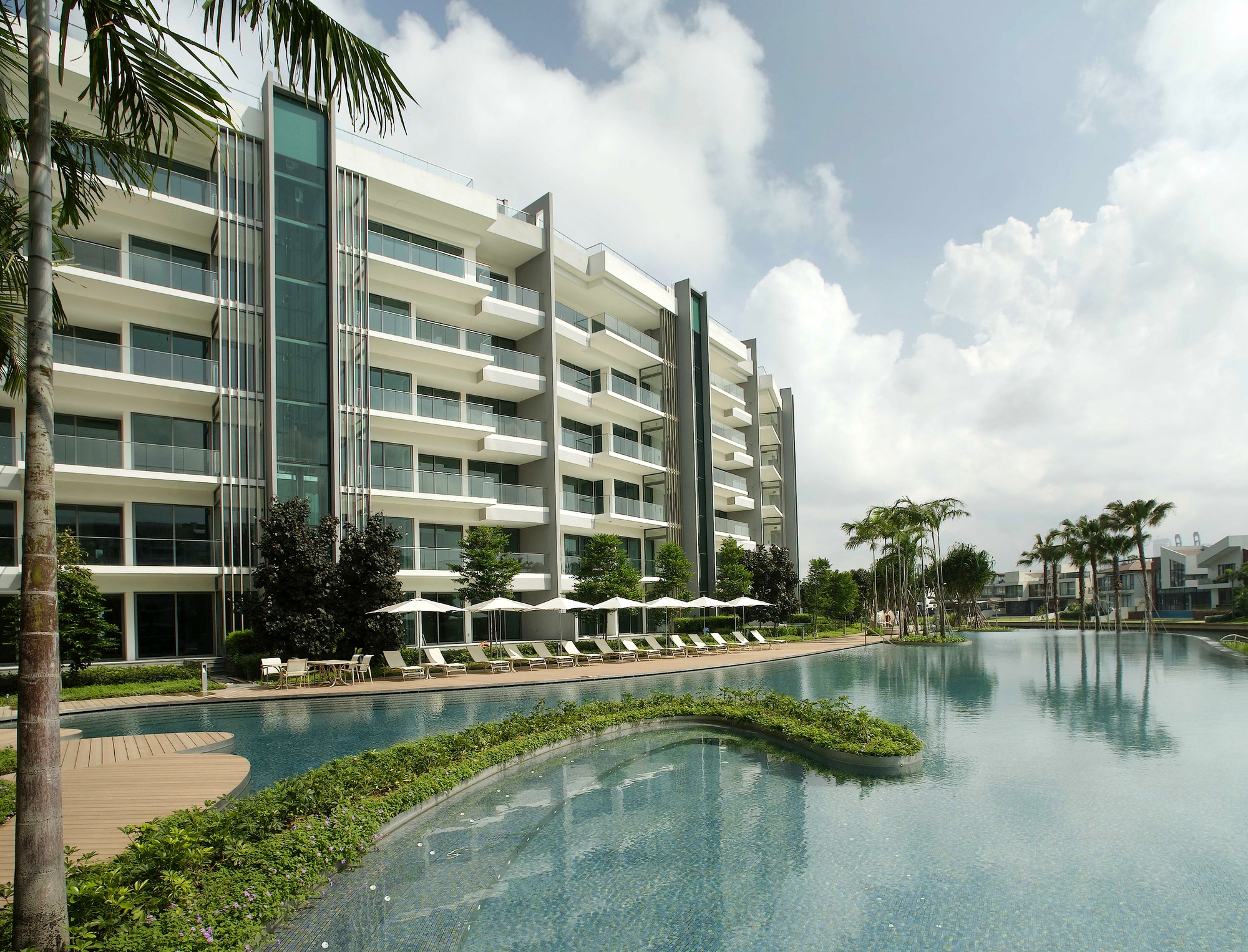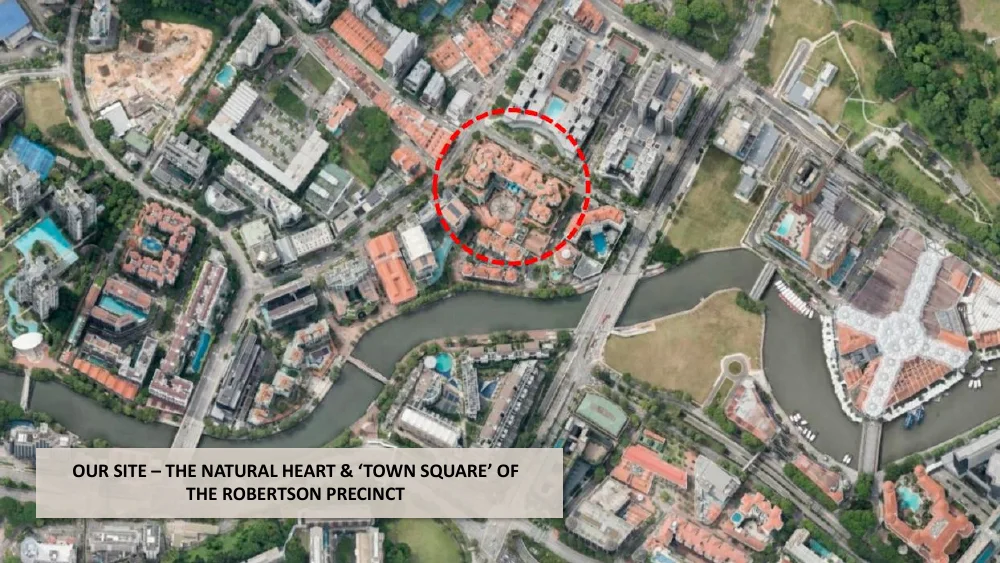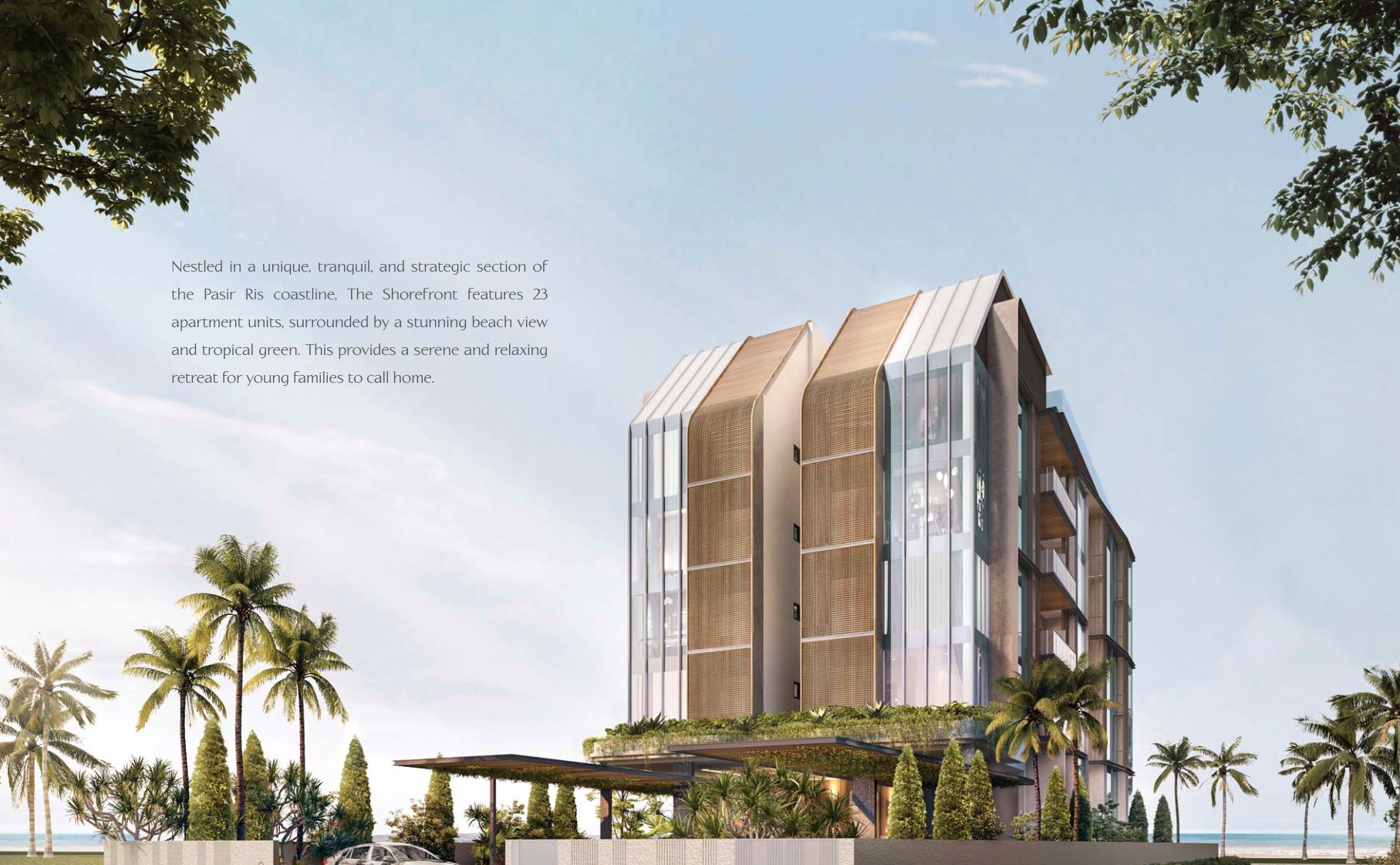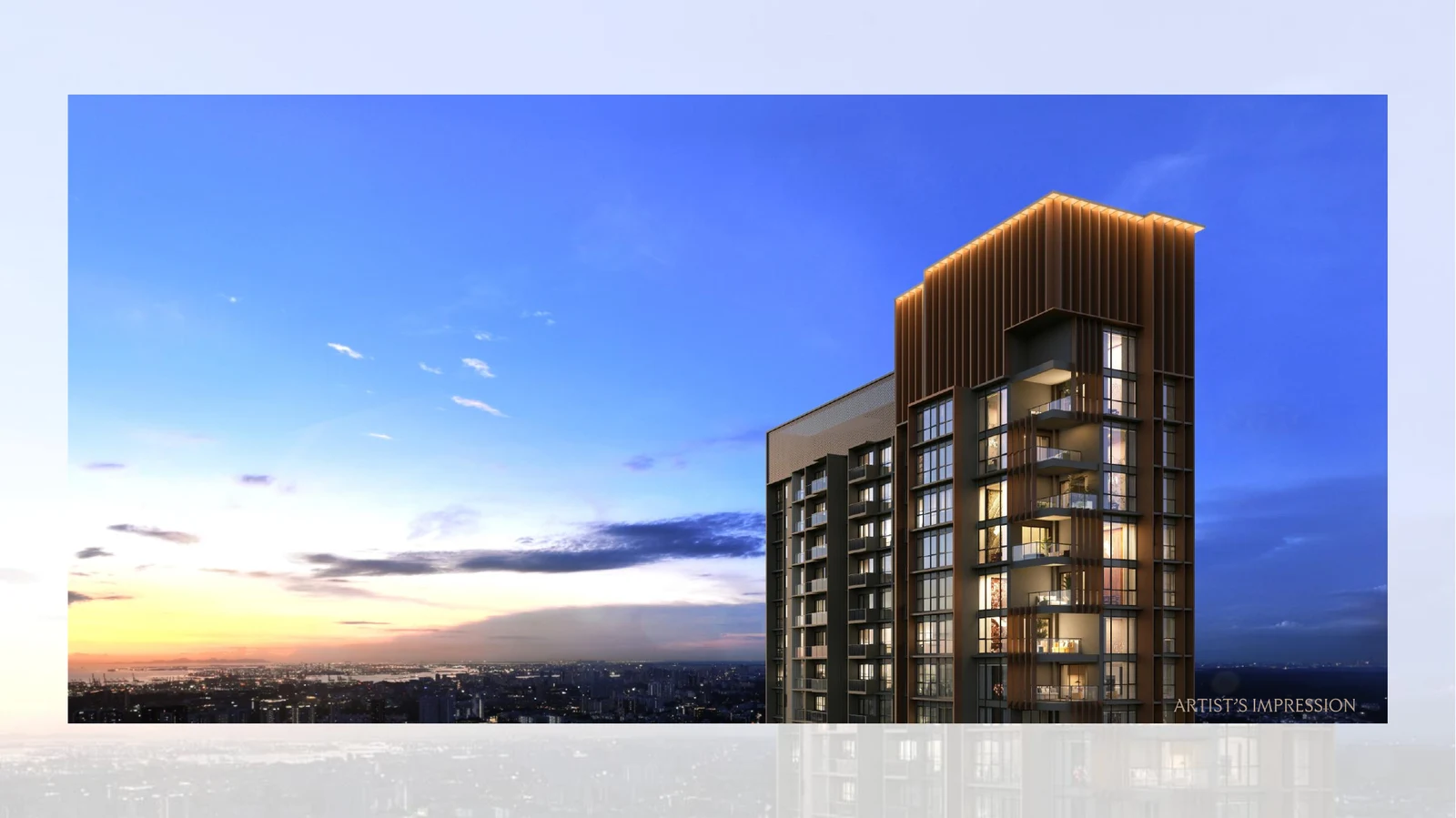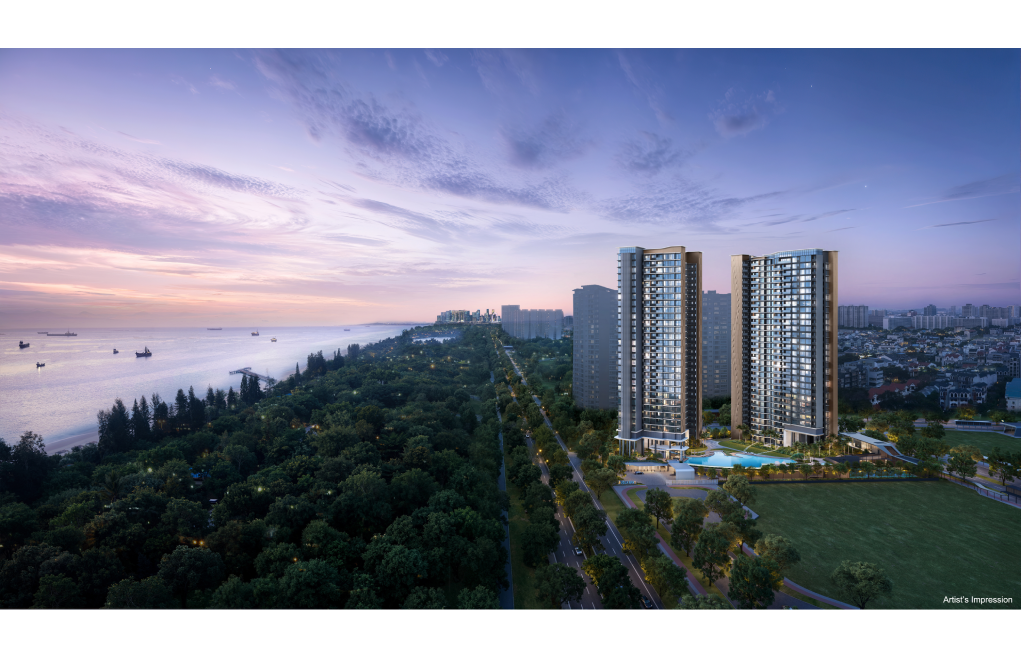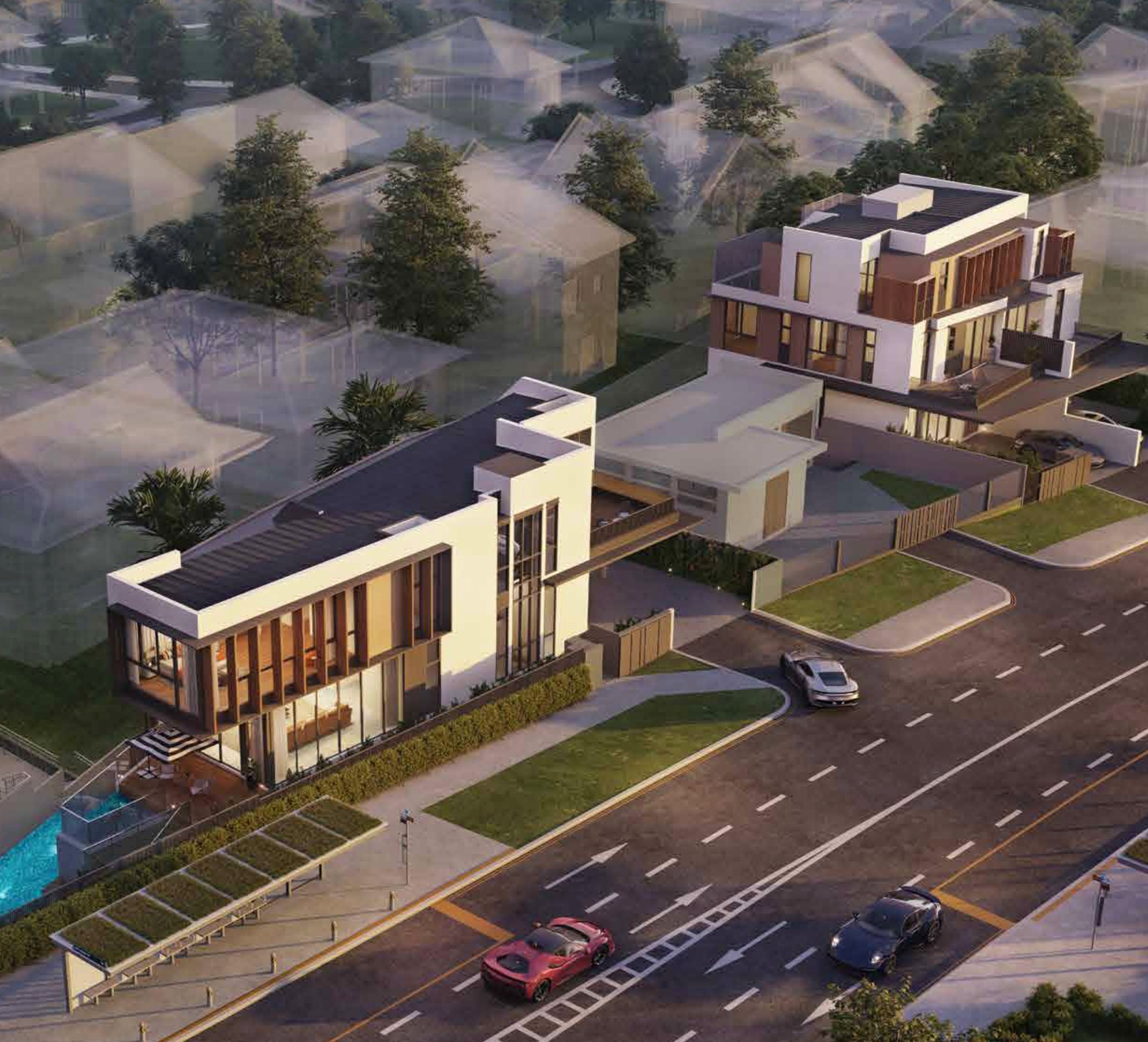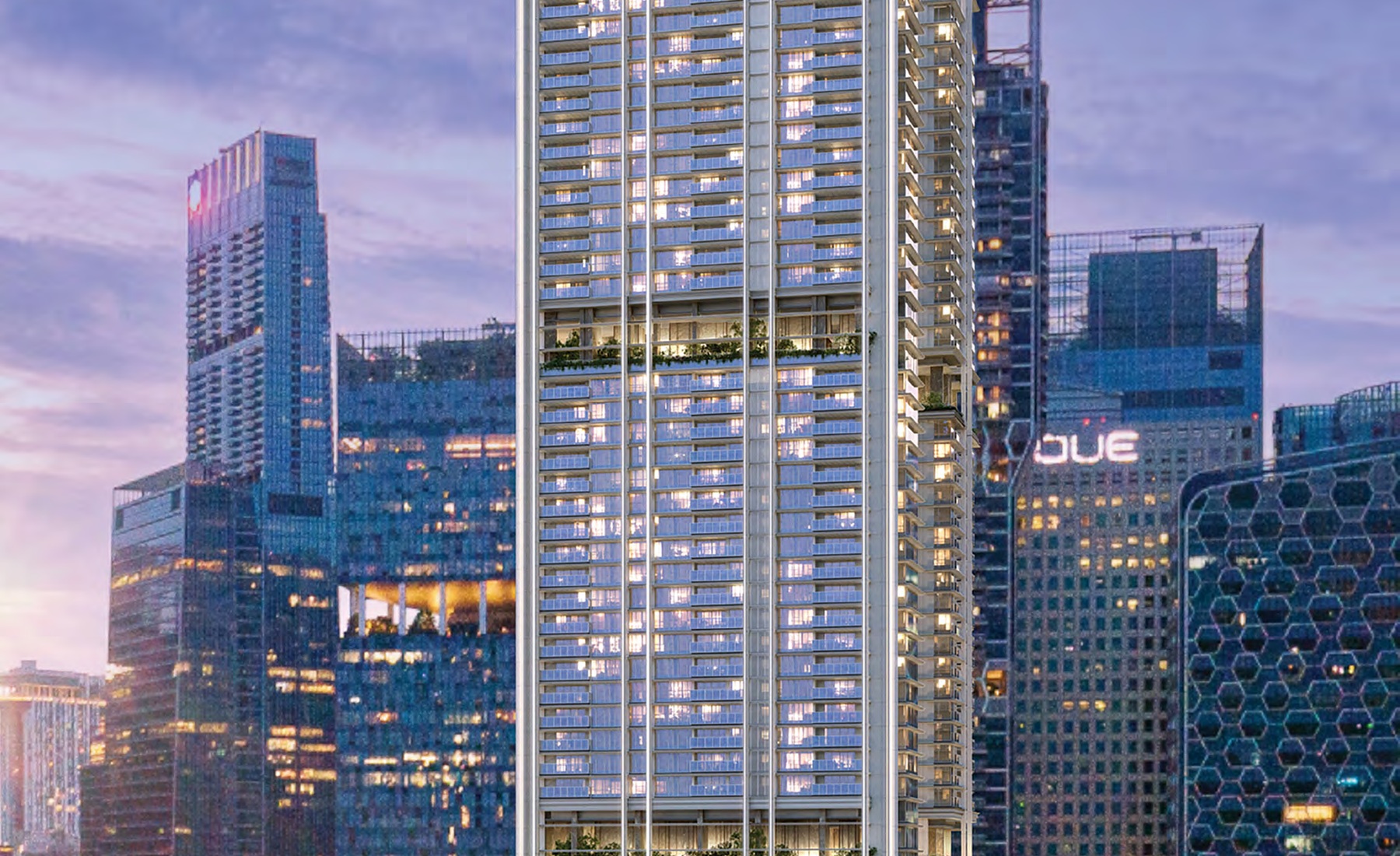
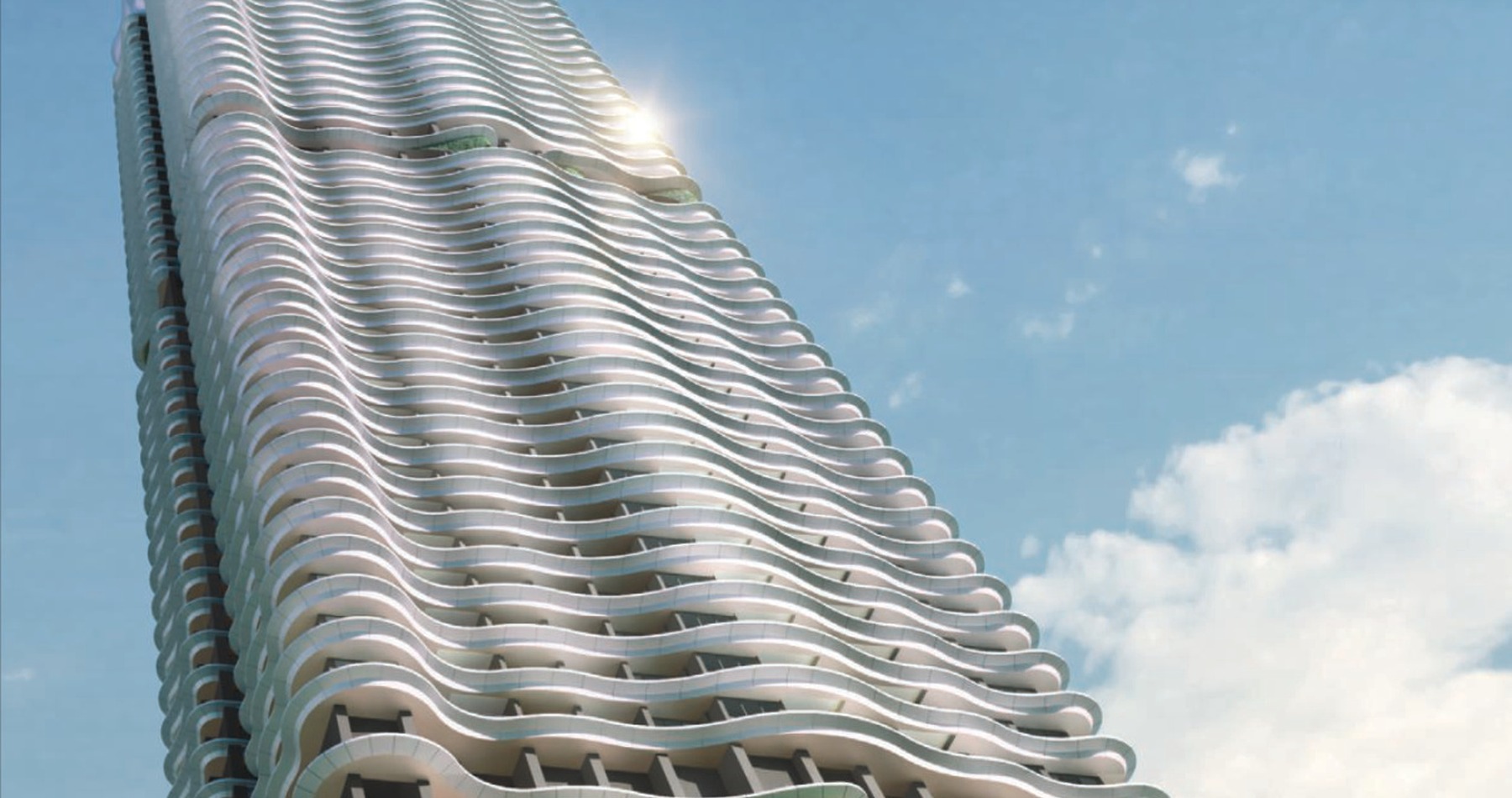
Grand Dunman is one of the most closely-watched launches in Katong, Marine Parade, East Coast, and the factsheet now published by the developer gives us enough to form a clear early view. In this guide we walk through tenure, unit mix, indicative pricing, connectivity to the MRT, facilities programme and the progressive-payment schedule — all of it mapped to how a real Singapore buyer actually assesses a launch.
Quick Answer
Grand Dunman is a 99-year leasehold condominium at 1 Dunman Road, Singapore 439425, in D15 — Katong, Marine Parade, East Coast.
1008 units across Seven residential towers (mix of 18-, 19- and 21-storey blocks), developed by SingHaiyi Group (SHG (DM) Pte Ltd).
Connectivity: Dakota MRT (Circle Line) — approx. 250 m, 3-minute walk; Mountbatten MRT (CCL) — 750 m.
TOP / VPExpected TOP: 4Q 2028 · Legal completion: 30 June 2029
lovelyhomes.com.sgSource: Developer factsheet — April 2026
Why Grand Dunman matters
Three factors give Grand Dunman its character. First, the location: 1 Dunman Road, Singapore 439425 sits in D15 — Katong, Marine Parade, East Coast, placing residents within commuting reach of Dakota MRT (Circle Line). Second, scale — at 1008 units the development has the amenity envelope to sustain a thorough facilities programme without overcrowding. Third, the developer: SingHaiyi Group (SHG (DM) Pte Ltd) carries a track record across Singapore private residential history, which materially reduces build-quality and scheduling risk.
Against that backdrop, the pricing envelope of S$2,500 – S$2,720 psf (launch price band) puts Grand Dunman on the same psf page as its comparable launches in the micro-market, while the 99-year leasehold tenure structure offers a predictable financing and CPF treatment for Singapore-citizen and PR buyers.
Project fact sheet
PROJECT
Grand Dunman
ADDRESS
1 Dunman Road, Singapore 439425
TENURE
99-year leasehold 3 May 2022
DISTRICT
D15 — Katong, Marine Parade, East Coast
DEVELOPER
SingHaiyi Group (SHG (DM) Pte Ltd)
ARCHITECT
P&T Consultants Pte Ltd
LANDSCAPE
Salad Dressing Landscape Architects
SITE AREA
25,234 sqm (271,617 sqft)
GROSS FLOOR AREA
70,657 sqm (760,543 sqft), plot ratio 2.8
BUILD-OUT
Seven residential towers (mix of 18-, 19- and 21-storey blocks), 1008 units
COMPLETION
Expected TOP: 4Q 2028 · Legal completion: 30 June 2029
PSF RANGE
S$2,500 – S$2,720 psf (launch price band)
SALES GALLERY
Sales gallery at 1 Dunman Road (by appointment)
Unit mix and indicative pricing
The unit mix below reflects the developer’s public price guide. Prices are indicative starts; the top of each type sits approximately 6-12% above the entry figure, depending on floor level, stack and facing. All prices are inclusive of Goods & Services Tax where applicable and before ABSD.
Type
Size (sqft)
Qty
Indicative Price
1-Bedroom + Study
484 – 527 sqft
196 units
S$1.25M onwards
2-Bedroom
657 – 721 sqft
260 units
S$1.67M onwards
2-Bedroom Premium + Study
764 – 829 sqft
172 units
S$1.95M onwards
3-Bedroom Classic
947 – 1,012 sqft
188 units
S$2.45M onwards
3-Bedroom Premium + Study
1,173 – 1,270 sqft
100 units
S$3.05M onwards
4-Bedroom Luxury
1,518 – 1,604 sqft
60 units
S$3.85M onwards
5-Bedroom Penthouse
1,862 – 2,034 sqft
32 units
S$4.95M onwards
lovelyhomes.com.sgSource: Developer price guide — April 2026
Price per square foot — how to read the psf band
A launch psf band is not a single number — it is a distribution. At the bottom sit the low-floor, less-favoured facings. At the top sit the premium stacks, typically upper floors with unblocked facing and north-south orientation. For Grand Dunman, the indicative band of S$2,500 – S$2,720 psf (launch price band) gives you a negotiation window: buyers who enter on preview weekend and close a unit in the median third of the band tend to ride the psf uplift as the developer releases subsequent phases at 3-5% higher average prices.
Project highlights
The design team led by P&T Consultants Pte Ltd has organised the site around seven residential towers (mix of 18-, 19- and 21-storey blocks) with a central facilities spine. Orientation has been optimised for north-south exposure on the majority of stacks, keeping morning and afternoon heat load off the main living areas. Landscape design by Salad Dressing Landscape Architects knits a continuous pedestrian experience across the site, with mature-species specimen trees retained where site conditions allow.
Highlights at a glance
Seven residential towers (mix of 18-, 19- and 21-storey blocks) providing a low-density feel relative to the typical city-fringe tower.
Unit mix skewed toward efficient 1-bed + study and 2-bed layouts (addressing investor demand) plus family-sized 3- and 4-bed options.
99-year leasehold tenure structure aligned with CPF Ordinary Account withdrawal rules for Singapore-citizen and PR buyers.
Completion schedule Expected TOP: 4Q 2028 · Legal completion: 30 June 2029 — matched to the progressive payment scheme illustrated below.
Connectivity
MRT: Dakota MRT (Circle Line) — approx. 250 m, 3-minute walk; Mountbatten MRT (CCL) — 750 m. Walking time: 3 minutes on foot to Dakota MRT. Expressways: The site offers direct access onto the arterial network, with city-centre commutes clocking in at 15-25 minutes in off-peak conditions. Bus: Feeder bus services along the main road connect residents to interchanges and neighbourhood nodes within 5-8 minutes.
Lifestyle and amenities
Residents are within comfortable reach of neighbourhood-scale F&B, grocery anchors (FairPrice, Cold Storage or Giant, depending on precinct), hawker centres, wet markets and places of worship. Educational catchments include primary schools and secondary schools within a 2 km radius under the MOE Phase 2C priority rules — a non-trivial factor for owner-occupier families.
Facilities programme
The facilities deck delivers the full city-fringe specification:
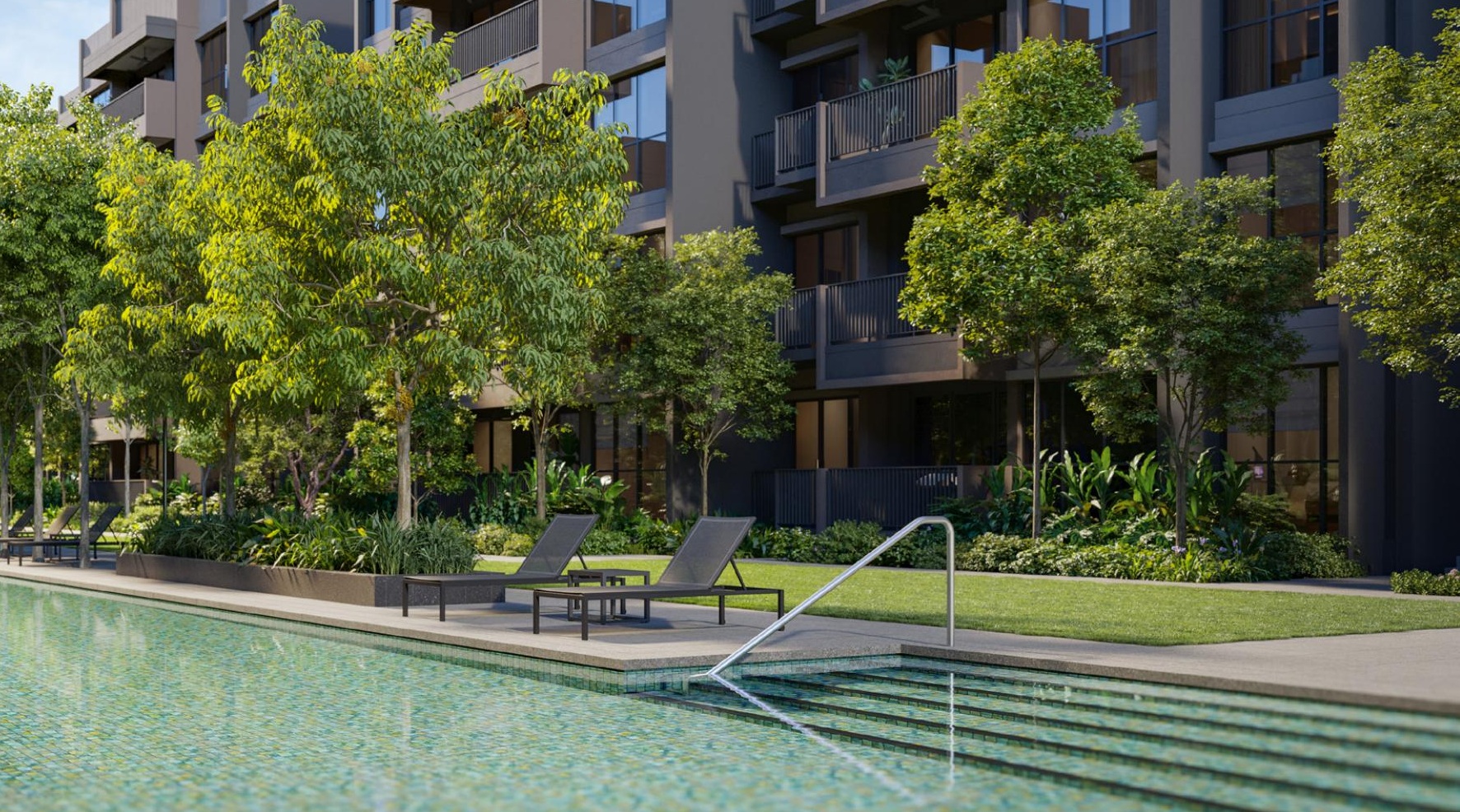
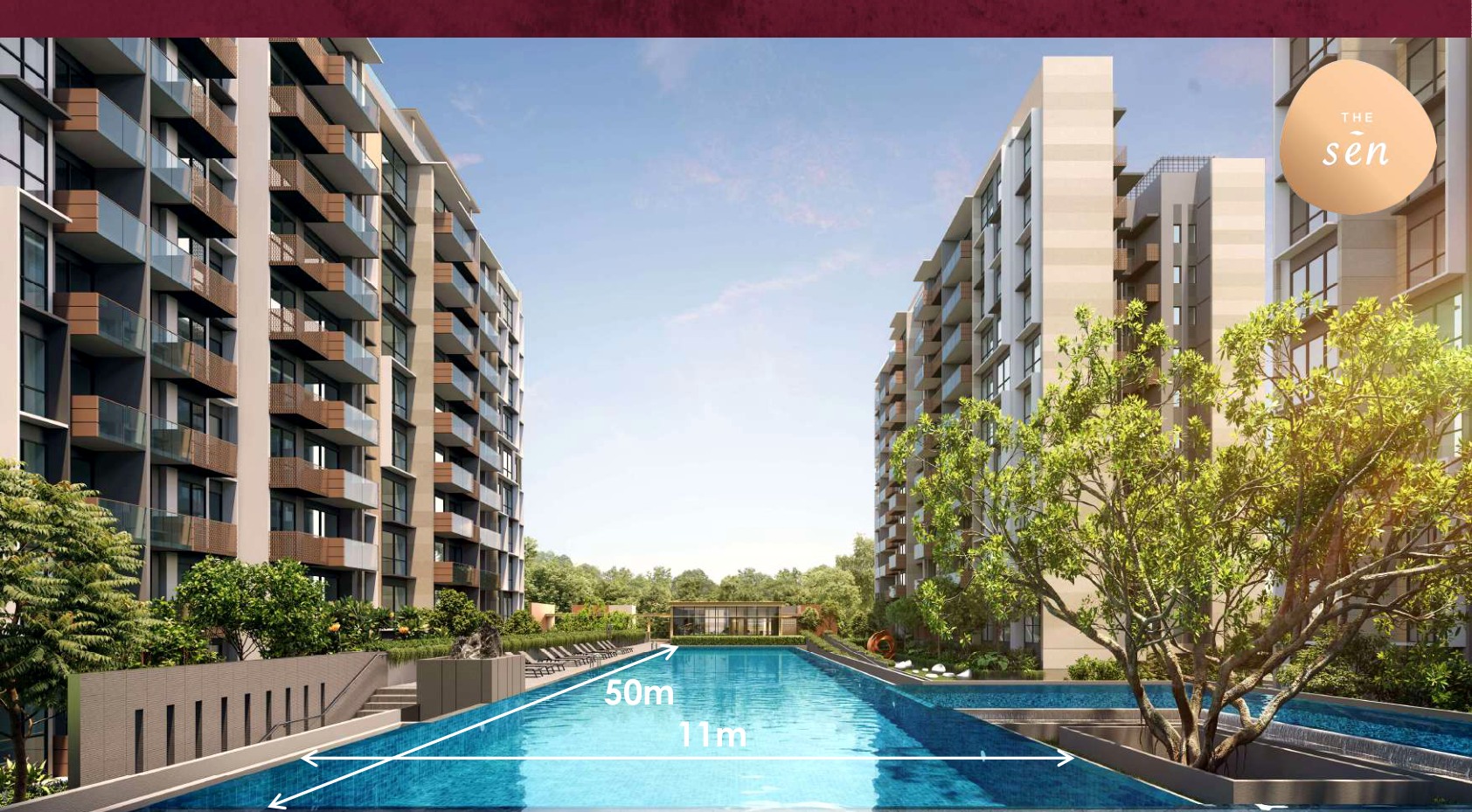
Two 50 m lap pools, hydrotherapy pool and Jacuzzi cove
Family-sized splash pool, wading pool and children’s tropical garden
Two gymnasiums, yoga pavilion and pilates studio
Tennis court and half-basketball court
Grand arrival lobby, concierge lounge and guest suites
Six themed pavilions: teppanyaki, barbecue, dining, wine, reading, karaoke
Forest trail, herb garden, orchid garden and meditation lawn
Sky decks at Level 17 with East Coast sea views (selected towers)
Floor plans — what to look for
When you review the stack-by-stack layouts, apply four lenses. First, usable footprint: how much of the sqft is actually bounded by walls you can furnish? Look for “bay window” allowances and air-conditioner ledges that inflate the strata count. Second, natural ventilation: corner units and dual-aspect layouts tend to command a 2-3% psf premium but outperform on resale liquidity. Third, kitchen layout: an enclosed kitchen with a yard is the Singapore family-buyer standard — open-plan layouts can struggle at resale. Fourth, bedroom privacy: bedrooms clustered around a common corridor are the gold standard; avoid walk-through arrangements.
Progressive payment schedule
For uncompleted Singapore private residential units, payment follows the statutory Normal Progressive Payment Scheme. The timeline below maps each stage to its approximate chronology for Grand Dunman:
Developer track record
SingHaiyi Group (SHG (DM) Pte Ltd) brings demonstrable scale to Grand Dunman. The delivery history across comparable Singapore private residential projects shows consistent compliance with declared TOP timelines and a pattern of workmanship scores that sit comfortably within the BCA CONQUAS band for residential. This matters. On uncompleted units, your capital sits at work with the developer for 3-4 years; the credit-risk premium on a lesser-known developer can exceed any headline-psf discount.
Sustainability
The project is designed to BCA Green Mark standards, with emphasis on passive-design measures: facade U-values, operable sun-control devices, and cross-ventilated common corridors. Inverter split-system air-conditioners and LED lighting throughout the residential envelope help residents manage monthly utility bills. Rainwater harvesting for irrigation and drought-tolerant planting round out the landscape-side measures.
Investment outlook
For an owner-occupier, the question reduces to: “does this unit meet the household brief at a psf that does not embed a launch premium I cannot recoup?” For an investor, the hurdle is tougher — 60% ABSD on a foreign buyer’s second Singapore residential property (20% for Singapore-citizen second-property buyers) materially reduces leveraged returns. The realistic investment thesis for Grand Dunman therefore rests on three legs: (a) rental demand from the surrounding working population within 5-7 MRT stops, (b) durability of the tenure beyond the immediate 5-year MOP horizon, and (c) pricing discipline at entry — staying in the lower third of the psf band.
Completion timeline
Expected TOP: 4Q 2028 · Legal completion: 30 June 2029. Buyers should budget for a defects-liability inspection window of 12 months post-VP, during which the developer is statutorily obliged to remedy defects. Practical tip: engage a defects-inspection specialist before moving in, rather than relying on your own walk-through. The report will typically run 80-140 items on a mid-sized condo.
Frequently asked questions
1. What tenure is Grand Dunman?
99-year leasehold 3 May 2022. Tenure directly affects CPF Ordinary Account usage and the decay curve on resale. Singapore buyers should refer to the Bala’s Table values to model the residual-lease discount at exit.
2. How many units and what is the mix?
1008 units covering 1-Bedroom + Study, 2-Bedroom, 2-Bedroom Premium + Study and larger layouts. See the unit-mix table above for indicative sizes and prices.
3. What is the price per square foot range?
S$2,500 – S$2,720 psf (launch price band) at launch. Low-floor, less-favoured-facing units anchor the bottom; high-floor premium stacks set the ceiling.
4. When will Grand Dunman obtain Temporary Occupation Permit?
Expected TOP: 4Q 2028 · Legal completion: 30 June 2029. Developer-declared dates carry a typical margin of ±3 months around the announced date.
5. Which MRT station is closest?
Dakota MRT (Circle Line) — approx. 250 m, 3-minute walk; Mountbatten MRT (CCL) — 750 m. The walking experience includes covered walkways where declared on the site plan.
6. What is the Additional Buyer’s Stamp Duty exposure?
ABSD rates at the time of writing: Singapore citizens 0% on first property, 20% on second, 30% on third and subsequent; Singapore PRs 5% first, 30% second; foreign buyers 60% on any Singapore residential purchase; entities 65%. Refer to the complete ABSD guide for worked examples and remission scenarios.
7. Can I use CPF to buy a unit at Grand Dunman?
Yes. CPF Ordinary Account funds are usable for downpayment and monthly servicing within the applicable Withdrawal Limit, subject to tenure and Valuation Limit mechanics. See our CPF for Property Purchase guide.
8. How much downpayment do I need on launch day?
5% cash on Option-to-Purchase (OTP) booking fee. An additional 15% (of which up to 15% can be CPF, balance cash) on exercise of OTP, bringing the total downpayment to 20% for a first-property buyer with a 75% maximum loan-to-value ratio. Stamp duties are additional.
9. How does the progressive payment scheme work?
Payments are drawn down as construction hits prescribed milestones. The timeline infographic above maps each stage; bank disbursements track the architect’s certificate of completion for each milestone.
10. What is the rental yield outlook?
Gross yield for city-fringe launches in D15 typically prints in the 2.8-3.6% band during the first 3 years post-TOP. See our Singapore Rental Yield Guide 2026 for a unit-size and district breakdown.
11. Can foreigners purchase at Grand Dunman?
Yes — condominium units are not restricted residential property under the Residential Property Act. Foreign buyers pay 60% ABSD on top of BSD. Landed property, by contrast, is restricted.
Disclaimer: This article is produced by the LovelyHomes editorial team for general information only. Prices, unit counts and timelines are drawn from the developer’s publicly issued price guide and factsheet at the date of writing, and are indicative only. Subsequent phases may be released at different prices. ABSD, BSD, CPF and MAS rules referenced here are current as at April 2026. No information on this page constitutes an offer, recommendation or advice to purchase any property. Buyers should obtain independent professional legal, tax and financial advice before entering any contract.
Kassia is one of the most closely-watched launches in Changi, Loyang, and the factsheet now published by the developer gives us enough to form a clear early view. In this guide we walk through tenure, unit mix, indicative pricing, connectivity to the MRT, facilities programme and the progressive-payment schedule — all of it mapped to how a real Singapore buyer actually assesses a launch.
Quick Answer
Kassia is a freehold condominium at Flora Drive (off Upper Changi Road North), Singapore 506851, in D17 — Changi, Loyang.
276 units across 5-storey low-rise residential blocks, developed by Tripartite Developers Pte Ltd (Hong Leong Holdings, City Developments Limited & TID).
Connectivity: Upper Changi MRT (Downtown Line) — approx. 1.2 km; Tanah Merah MRT (East-West Line) — approx. 1.8 km.
TOP / VPExpected TOP: 2Q 2028 · Legal completion: 30 September 2029
lovelyhomes.com.sgSource: Developer factsheet — April 2026
Why Kassia matters
Three factors give Kassia its character. First, the location: Flora Drive (off Upper Changi Road North), Singapore 506851 sits in D17 — Changi, Loyang, placing residents within commuting reach of Upper Changi MRT (Downtown Line). Second, scale — at 276 units the development has the amenity envelope to sustain a thorough facilities programme without overcrowding. Third, the developer: Tripartite Developers Pte Ltd (Hong Leong Holdings, City Developments Limited & TID) carries a track record across Singapore private residential history, which materially reduces build-quality and scheduling risk.
Against that backdrop, the pricing envelope of S$1,920 – S$2,120 psf (launch price band) puts Kassia on the same psf page as its comparable launches in the micro-market, while the freehold tenure structure offers a predictable financing and CPF treatment for Singapore-citizen and PR buyers.
Expected TOP: 2Q 2028 · Legal completion: 30 September 2029
PSF RANGE
S$1,920 – S$2,120 psf (launch price band)
SALES GALLERY
Showflat at Flora Drive (appointment required)
Unit mix and indicative pricing
The unit mix below reflects the developer’s public price guide. Prices are indicative starts; the top of each type sits approximately 6-12% above the entry figure, depending on floor level, stack and facing. All prices are inclusive of Goods & Services Tax where applicable and before ABSD.
Type
Size (sqft)
Qty
Indicative Price
1-Bedroom + Study
474 sqft
44 units
S$915,000 onwards
2-Bedroom Premium
721 – 775 sqft
88 units
S$1.42M onwards
3-Bedroom Classic
936 sqft
44 units
S$1.83M onwards
3-Bedroom Premium + Study
1,173 – 1,216 sqft
50 units
S$2.25M onwards
4-Bedroom Premium
1,421 – 1,464 sqft
40 units
S$2.82M onwards
5-Bedroom Premium
1,744 sqft
10 units
S$3.45M onwards
lovelyhomes.com.sgSource: Developer price guide — April 2026
Price per square foot — how to read the psf band
A launch psf band is not a single number — it is a distribution. At the bottom sit the low-floor, less-favoured facings. At the top sit the premium stacks, typically upper floors with unblocked facing and north-south orientation. For Kassia, the indicative band of S$1,920 – S$2,120 psf (launch price band) gives you a negotiation window: buyers who enter on preview weekend and close a unit in the median third of the band tend to ride the psf uplift as the developer releases subsequent phases at 3-5% higher average prices.
Project highlights
The design team led by ADDP Architects LLP has organised the site around 5-storey low-rise residential blocks with a central facilities spine. Orientation has been optimised for north-south exposure on the majority of stacks, keeping morning and afternoon heat load off the main living areas. Landscape design by EcoPlan Asia Pte Ltd knits a continuous pedestrian experience across the site, with mature-species specimen trees retained where site conditions allow.
Highlights at a glance
5-storey low-rise residential blocks providing a low-density feel relative to the typical city-fringe tower.
Unit mix skewed toward efficient 1-bed + study and 2-bed layouts (addressing investor demand) plus family-sized 3- and 4-bed options.
Freehold tenure structure aligned with CPF Ordinary Account withdrawal rules for Singapore-citizen and PR buyers.
Completion schedule Expected TOP: 2Q 2028 · Legal completion: 30 September 2029 — matched to the progressive payment scheme illustrated below.
Connectivity
MRT: Upper Changi MRT (Downtown Line) — approx. 1.2 km; Tanah Merah MRT (East-West Line) — approx. 1.8 km. Walking time: 5-7 minutes by feeder bus, 15 minutes on foot to Upper Changi MRT. Expressways: The site offers direct access onto the arterial network, with city-centre commutes clocking in at 15-25 minutes in off-peak conditions. Bus: Feeder bus services along the main road connect residents to interchanges and neighbourhood nodes within 5-8 minutes.
Lifestyle and amenities
Residents are within comfortable reach of neighbourhood-scale F&B, grocery anchors (FairPrice, Cold Storage or Giant, depending on precinct), hawker centres, wet markets and places of worship. Educational catchments include primary schools and secondary schools within a 2 km radius under the MOE Phase 2C priority rules — a non-trivial factor for owner-occupier families.
Facilities programme
The facilities deck delivers the full city-fringe specification:
50 m lap pool with aqua-gym and sun-deck cove
Kids’ splash pool and forest play structure
Fully-equipped gymnasium and yoga deck
Tennis court, jogging loop and stretching pavilion
Grand arrival pavilion and multi-purpose clubhouse
Dining pavilion with teppanyaki counter
BBQ alcoves (6 pods) and outdoor social lawn
Forest trail, herb garden, hammock garden and reflexology path
Floor plans — what to look for
When you review the stack-by-stack layouts, apply four lenses. First, usable footprint: how much of the sqft is actually bounded by walls you can furnish? Look for “bay window” allowances and air-conditioner ledges that inflate the strata count. Second, natural ventilation: corner units and dual-aspect layouts tend to command a 2-3% psf premium but outperform on resale liquidity. Third, kitchen layout: an enclosed kitchen with a yard is the Singapore family-buyer standard — open-plan layouts can struggle at resale. Fourth, bedroom privacy: bedrooms clustered around a common corridor are the gold standard; avoid walk-through arrangements.
Progressive payment schedule
For uncompleted Singapore private residential units, payment follows the statutory Normal Progressive Payment Scheme. The timeline below maps each stage to its approximate chronology for Kassia:
Developer track record
Tripartite Developers Pte Ltd (Hong Leong Holdings, City Developments Limited & TID) brings demonstrable scale to Kassia. The delivery history across comparable Singapore private residential projects shows consistent compliance with declared TOP timelines and a pattern of workmanship scores that sit comfortably within the BCA CONQUAS band for residential. This matters. On uncompleted units, your capital sits at work with the developer for 3-4 years; the credit-risk premium on a lesser-known developer can exceed any headline-psf discount.
Sustainability
The project is designed to BCA Green Mark standards, with emphasis on passive-design measures: facade U-values, operable sun-control devices, and cross-ventilated common corridors. Inverter split-system air-conditioners and LED lighting throughout the residential envelope help residents manage monthly utility bills. Rainwater harvesting for irrigation and drought-tolerant planting round out the landscape-side measures.
Investment outlook
For an owner-occupier, the question reduces to: “does this unit meet the household brief at a psf that does not embed a launch premium I cannot recoup?” For an investor, the hurdle is tougher — 60% ABSD on a foreign buyer’s second Singapore residential property (20% for Singapore-citizen second-property buyers) materially reduces leveraged returns. The realistic investment thesis for Kassia therefore rests on three legs: (a) rental demand from the surrounding working population within 5-7 MRT stops, (b) durability of the tenure beyond the immediate 5-year MOP horizon, and (c) pricing discipline at entry — staying in the lower third of the psf band.
Completion timeline
Expected TOP: 2Q 2028 · Legal completion: 30 September 2029. Buyers should budget for a defects-liability inspection window of 12 months post-VP, during which the developer is statutorily obliged to remedy defects. Practical tip: engage a defects-inspection specialist before moving in, rather than relying on your own walk-through. The report will typically run 80-140 items on a mid-sized condo.
Frequently asked questions
1. What tenure is Kassia?
Freehold (Freehold estate — no leasehold commencement date). Tenure directly affects CPF Ordinary Account usage and the decay curve on resale. Singapore buyers should refer to the Bala’s Table values to model the residual-lease discount at exit.
2. How many units and what is the mix?
276 units covering 1-Bedroom + Study, 2-Bedroom Premium, 3-Bedroom Classic and larger layouts. See the unit-mix table above for indicative sizes and prices.
3. What is the price per square foot range?
S$1,920 – S$2,120 psf (launch price band) at launch. Low-floor, less-favoured-facing units anchor the bottom; high-floor premium stacks set the ceiling.
4. When will Kassia obtain Temporary Occupation Permit?
Expected TOP: 2Q 2028 · Legal completion: 30 September 2029. Developer-declared dates carry a typical margin of ±3 months around the announced date.
5. Which MRT station is closest?
Upper Changi MRT (Downtown Line) — approx. 1.2 km; Tanah Merah MRT (East-West Line) — approx. 1.8 km. The walking experience includes covered walkways where declared on the site plan.
6. What is the Additional Buyer’s Stamp Duty exposure?
ABSD rates at the time of writing: Singapore citizens 0% on first property, 20% on second, 30% on third and subsequent; Singapore PRs 5% first, 30% second; foreign buyers 60% on any Singapore residential purchase; entities 65%. Refer to the complete ABSD guide for worked examples and remission scenarios.
7. Can I use CPF to buy a unit at Kassia?
Yes. CPF Ordinary Account funds are usable for downpayment and monthly servicing within the applicable Withdrawal Limit, subject to tenure and Valuation Limit mechanics. See our CPF for Property Purchase guide.
8. How much downpayment do I need on launch day?
5% cash on Option-to-Purchase (OTP) booking fee. An additional 15% (of which up to 15% can be CPF, balance cash) on exercise of OTP, bringing the total downpayment to 20% for a first-property buyer with a 75% maximum loan-to-value ratio. Stamp duties are additional.
9. How does the progressive payment scheme work?
Payments are drawn down as construction hits prescribed milestones. The timeline infographic above maps each stage; bank disbursements track the architect’s certificate of completion for each milestone.
10. What is the rental yield outlook?
Gross yield for city-fringe launches in D17 typically prints in the 2.8-3.6% band during the first 3 years post-TOP. See our Singapore Rental Yield Guide 2026 for a unit-size and district breakdown.
11. Can foreigners purchase at Kassia?
Yes — condominium units are not restricted residential property under the Residential Property Act. Foreign buyers pay 60% ABSD on top of BSD. Landed property, by contrast, is restricted.
Disclaimer: This article is produced by the LovelyHomes editorial team for general information only. Prices, unit counts and timelines are drawn from the developer’s publicly issued price guide and factsheet at the date of writing, and are indicative only. Subsequent phases may be released at different prices. ABSD, BSD, CPF and MAS rules referenced here are current as at April 2026. No information on this page constitutes an offer, recommendation or advice to purchase any property. Buyers should obtain independent professional legal, tax and financial advice before entering any contract.
Lentoria is one of the most closely-watched launches in Mandai, Upper Thomson, and the factsheet now published by the developer gives us enough to form a clear early view. In this guide we walk through tenure, unit mix, indicative pricing, connectivity to the MRT, facilities programme and the progressive-payment schedule — all of it mapped to how a real Singapore buyer actually assesses a launch.
Quick Answer
Lentoria is a 99-year leasehold condominium at 34 & 36 Lentor Hills Road, Singapore 789068 / 789070, in D26 — Mandai, Upper Thomson.
267 units across 2 × 15-storey residential blocks, developed by TID Residential (Hong Leong Holdings & Mitsui Fudosan joint venture).
Completion: TOP 31 December 2026 · VP 31 March 2027 (developer-stated).
TENURE99-year leasehold
DISTRICTD26 — Mandai, Upper Thomson
UNITS267 residential units
TOP / VPTOP 31 December 2026 · VP 31 March 2027 (developer-stated)
lovelyhomes.com.sgSource: Developer factsheet — April 2026
Why Lentoria matters
Three factors give Lentoria its character. First, the location: 34 & 36 Lentor Hills Road, Singapore 789068 / 789070 sits in D26 — Mandai, Upper Thomson, placing residents within commuting reach of Lentor MRT (Thomson-East Coast Line). Second, scale — at 267 units the development has the amenity envelope to sustain a thorough facilities programme without overcrowding. Third, the developer: TID Residential (Hong Leong Holdings & Mitsui Fudosan joint venture) carries a track record across Singapore private residential history, which materially reduces build-quality and scheduling risk.
Against that backdrop, the pricing envelope of S$2,030 – S$2,305 psf (launch weekend prices) puts Lentoria on the same psf page as its comparable launches in the micro-market, while the 99-year leasehold tenure structure offers a predictable financing and CPF treatment for Singapore-citizen and PR buyers.
TID Residential (Hong Leong Holdings & Mitsui Fudosan joint venture)
ARCHITECT
ADDP Architects LLP
LANDSCAPE
Coen Design International
SITE AREA
17,135 sqm (184,439 sqft)
GROSS FLOOR AREA
35,983 sqm (387,325 sqft), plot ratio 2.1
BUILD-OUT
2 × 15-storey residential blocks, 267 units
COMPLETION
TOP 31 December 2026 · VP 31 March 2027 (developer-stated)
PSF RANGE
S$2,030 – S$2,305 psf (launch weekend prices)
SALES GALLERY
Showflat at Lentor Hills Road (by appointment)
Unit mix and indicative pricing
The unit mix below reflects the developer’s public price guide. Prices are indicative starts; the top of each type sits approximately 6-12% above the entry figure, depending on floor level, stack and facing. All prices are inclusive of Goods & Services Tax where applicable and before ABSD.
Type
Size (sqft)
Qty
Indicative Price
1-Bedroom + Study
484 sqft
52 units
S$1.03M onwards
2-Bedroom
657 – 678 sqft
85 units
S$1.35M onwards
2-Bedroom + Study
721 – 743 sqft
65 units
S$1.48M onwards
3-Bedroom
990 – 1,055 sqft
43 units
S$2.01M onwards
3-Bedroom Premium
1,206 sqft
15 units
S$2.45M onwards
4-Bedroom Premium + Study
1,442 sqft
7 units
S$2.95M onwards
lovelyhomes.com.sgSource: Developer price guide — April 2026
Price per square foot — how to read the psf band
A launch psf band is not a single number — it is a distribution. At the bottom sit the low-floor, less-favoured facings. At the top sit the premium stacks, typically upper floors with unblocked facing and north-south orientation. For Lentoria, the indicative band of S$2,030 – S$2,305 psf (launch weekend prices) gives you a negotiation window: buyers who enter on preview weekend and close a unit in the median third of the band tend to ride the psf uplift as the developer releases subsequent phases at 3-5% higher average prices.
Project highlights
The design team led by ADDP Architects LLP has organised the site around 2 × 15-storey residential blocks with a central facilities spine. Orientation has been optimised for north-south exposure on the majority of stacks, keeping morning and afternoon heat load off the main living areas. Landscape design by Coen Design International knits a continuous pedestrian experience across the site, with mature-species specimen trees retained where site conditions allow.
Highlights at a glance
2 × 15-storey residential blocks providing a low-density feel relative to the typical city-fringe tower.
Unit mix skewed toward efficient 1-bed + study and 2-bed layouts (addressing investor demand) plus family-sized 3- and 4-bed options.
99-year leasehold tenure structure aligned with CPF Ordinary Account withdrawal rules for Singapore-citizen and PR buyers.
Completion schedule TOP 31 December 2026 · VP 31 March 2027 (developer-stated) — matched to the progressive payment scheme illustrated below.
Connectivity
MRT: Lentor MRT (Thomson-East Coast Line) — approx. 380 m covered walk. Walking time: approx. 5-6 minutes on foot. Expressways: The site offers direct access onto the arterial network, with city-centre commutes clocking in at 15-25 minutes in off-peak conditions. Bus: Feeder bus services along the main road connect residents to interchanges and neighbourhood nodes within 5-8 minutes.
Lifestyle and amenities
Residents are within comfortable reach of neighbourhood-scale F&B, grocery anchors (FairPrice, Cold Storage or Giant, depending on precinct), hawker centres, wet markets and places of worship. Educational catchments include primary schools and secondary schools within a 2 km radius under the MOE Phase 2C priority rules — a non-trivial factor for owner-occupier families.
Facilities programme
The facilities deck delivers the full city-fringe specification:
50 m lap swimming pool with sun deck and hydrotherapy pod
Kids’ wading pool and splash garden
Gymnasium with yoga deck and cardio studio
Clubhouse with dining pavilion and function room
Tennis court and outdoor fitness lawn
Forest trail, edible garden, herb pavilion and tea garden
Teppanyaki pavilion and BBQ alcoves (4 pods)
Reading lounge, co-working pods and library nook
Floor plans — what to look for
When you review the stack-by-stack layouts, apply four lenses. First, usable footprint: how much of the sqft is actually bounded by walls you can furnish? Look for “bay window” allowances and air-conditioner ledges that inflate the strata count. Second, natural ventilation: corner units and dual-aspect layouts tend to command a 2-3% psf premium but outperform on resale liquidity. Third, kitchen layout: an enclosed kitchen with a yard is the Singapore family-buyer standard — open-plan layouts can struggle at resale. Fourth, bedroom privacy: bedrooms clustered around a common corridor are the gold standard; avoid walk-through arrangements.
Progressive payment schedule
For uncompleted Singapore private residential units, payment follows the statutory Normal Progressive Payment Scheme. The timeline below maps each stage to its approximate chronology for Lentoria:
Developer track record
TID Residential (Hong Leong Holdings & Mitsui Fudosan joint venture) brings demonstrable scale to Lentoria. The delivery history across comparable Singapore private residential projects shows consistent compliance with declared TOP timelines and a pattern of workmanship scores that sit comfortably within the BCA CONQUAS band for residential. This matters. On uncompleted units, your capital sits at work with the developer for 3-4 years; the credit-risk premium on a lesser-known developer can exceed any headline-psf discount.
Sustainability
The project is designed to BCA Green Mark standards, with emphasis on passive-design measures: facade U-values, operable sun-control devices, and cross-ventilated common corridors. Inverter split-system air-conditioners and LED lighting throughout the residential envelope help residents manage monthly utility bills. Rainwater harvesting for irrigation and drought-tolerant planting round out the landscape-side measures.
Investment outlook
For an owner-occupier, the question reduces to: “does this unit meet the household brief at a psf that does not embed a launch premium I cannot recoup?” For an investor, the hurdle is tougher — 60% ABSD on a foreign buyer’s second Singapore residential property (20% for Singapore-citizen second-property buyers) materially reduces leveraged returns. The realistic investment thesis for Lentoria therefore rests on three legs: (a) rental demand from the surrounding working population within 5-7 MRT stops, (b) durability of the tenure beyond the immediate 5-year MOP horizon, and (c) pricing discipline at entry — staying in the lower third of the psf band.
Completion timeline
TOP 31 December 2026 · VP 31 March 2027 (developer-stated). Buyers should budget for a defects-liability inspection window of 12 months post-VP, during which the developer is statutorily obliged to remedy defects. Practical tip: engage a defects-inspection specialist before moving in, rather than relying on your own walk-through. The report will typically run 80-140 items on a mid-sized condo.
Frequently asked questions
1. What tenure is Lentoria?
99-year leasehold 25 October 2022. Tenure directly affects CPF Ordinary Account usage and the decay curve on resale. Singapore buyers should refer to the Bala’s Table values to model the residual-lease discount at exit.
2. How many units and what is the mix?
267 units covering 1-Bedroom + Study, 2-Bedroom, 2-Bedroom + Study and larger layouts. See the unit-mix table above for indicative sizes and prices.
3. What is the price per square foot range?
S$2,030 – S$2,305 psf (launch weekend prices) at launch. Low-floor, less-favoured-facing units anchor the bottom; high-floor premium stacks set the ceiling.
4. When will Lentoria obtain Temporary Occupation Permit?
TOP 31 December 2026 · VP 31 March 2027 (developer-stated). Developer-declared dates carry a typical margin of ±3 months around the announced date.
5. Which MRT station is closest?
Lentor MRT (Thomson-East Coast Line) — approx. 380 m covered walk. The walking experience includes covered walkways where declared on the site plan.
6. What is the Additional Buyer’s Stamp Duty exposure?
ABSD rates at the time of writing: Singapore citizens 0% on first property, 20% on second, 30% on third and subsequent; Singapore PRs 5% first, 30% second; foreign buyers 60% on any Singapore residential purchase; entities 65%. Refer to the complete ABSD guide for worked examples and remission scenarios.
7. Can I use CPF to buy a unit at Lentoria?
Yes. CPF Ordinary Account funds are usable for downpayment and monthly servicing within the applicable Withdrawal Limit, subject to tenure and Valuation Limit mechanics. See our CPF for Property Purchase guide.
8. How much downpayment do I need on launch day?
5% cash on Option-to-Purchase (OTP) booking fee. An additional 15% (of which up to 15% can be CPF, balance cash) on exercise of OTP, bringing the total downpayment to 20% for a first-property buyer with a 75% maximum loan-to-value ratio. Stamp duties are additional.
9. How does the progressive payment scheme work?
Payments are drawn down as construction hits prescribed milestones. The timeline infographic above maps each stage; bank disbursements track the architect’s certificate of completion for each milestone.
10. What is the rental yield outlook?
Gross yield for city-fringe launches in D26 typically prints in the 2.8-3.6% band during the first 3 years post-TOP. See our Singapore Rental Yield Guide 2026 for a unit-size and district breakdown.
11. Can foreigners purchase at Lentoria?
Yes — condominium units are not restricted residential property under the Residential Property Act. Foreign buyers pay 60% ABSD on top of BSD. Landed property, by contrast, is restricted.
Disclaimer: This article is produced by the LovelyHomes editorial team for general information only. Prices, unit counts and timelines are drawn from the developer’s publicly issued price guide and factsheet at the date of writing, and are indicative only. Subsequent phases may be released at different prices. ABSD, BSD, CPF and MAS rules referenced here are current as at April 2026. No information on this page constitutes an offer, recommendation or advice to purchase any property. Buyers should obtain independent professional legal, tax and financial advice before entering any contract.
Quick Answer — the May 2026 BTO launch in five bullets
HDB’s quarterly Build-to-Order exercise is expected to open in mid-May 2026, the second of four regular 2026 launches after February’s exercise.
The May window will sit inside the new Standard / Plus / Prime flat-classification framework, meaning subsidy-recovery clawbacks and 10-year MOP apply to any Plus or Prime flat selected.
Applicants should have CPF Housing Grant eligibility, HDB Financial Information (HFE) letter, and preferred-town shortlist ready before the launch opens — the application window is short (one week).
First-timer families with young children benefit most from the First-Timer (Parents and Married Couples) priority scheme introduced in the August 2024 exercise.
Balance-ballot strategy: in oversubscribed towns, a second-timer or non-priority applicant’s realistic chance of selection is often under 1 in 8 — pick towns where the queue-to-unit ratio is lower.
BTO Framework — Standard · Plus · Prime — LovelyHomes editorial infographic, 22 April 2026.
Why the May 2026 launch matters
The May 2026 BTO exercise lands at a pivotal moment for HDB policy. The Standard / Plus / Prime classification — rolled out from the October 2024 launch — has now been applied across five full launches, and the August 2024 refinement of the First-Timer priority scheme has reshaped how families are slotted into the ballot queue. Applicants who last studied the BTO rulebook before 2024 will find materially different mechanics.
The May slot also traditionally carries heavier volume than February: the Ministry of National Development’s 2026 guidance is approximately 19,600 BTO units across the year, and historically the May and November exercises each release roughly a quarter of annual supply. That means a realistic expectation is 4,500–5,500 units across non-mature and mature-town estates, with a meaningful portion earmarked under the Plus or Prime bands.
Standard, Plus, Prime — what the three bands actually mean
HDB reclassified BTO flats from “mature” / “non-mature” to a three-band framework in October 2024. The band is tied to the flat’s location attributes — proximity to the CBD, to MRT interchanges, to established amenities — rather than the age of the surrounding estate. Each band has its own pricing approach, subsidy profile, resale restrictions and income-ceiling rules.
BTO Classification Bands — May 2026 Framework
Source: HDB Standard/Plus/Prime guidelines · Effective from October 2024 BTO exercise
Band
Typical location
MOP
Resale conditions
Standard
Non-central towns with standard amenities
5 years
Standard resale rules; no subsidy clawback
Plus
Choicer locations, near amenities or transport
10 years
Subsidy clawback on resale; income ceiling on buyer
Prime
Most central or premium locations
10 years
Higher subsidy clawback; income ceiling; no renting out of whole flat
Key shift: under Plus and Prime, the subsidy recovery at resale is calculated as a percentage of resale price, not a fixed dollar figure — which protects HDB’s public investment when values appreciate meaningfully.
Which towns have featured in recent launches
Exact May 2026 town selection is announced by HDB approximately two weeks before the launch opens. Based on the pattern of recent launches, applicants can reasonably expect coverage spanning all three regions — typically two to three non-mature towns, two mature towns, and at least one site in a new or emerging estate such as Tengah or Bayshore.
In the February 2026 exercise, HDB launched units in Tampines, Woodlands, Queenstown, Toa Payoh, and Yishun, with a strong skew to Plus-classified units in the more central towns. The May launch is widely expected to include Punggol, Sengkang, Jurong West, Bukit Merah and Kallang/Whampoa — but this is projection, not confirmation.
Applicants who want the highest chance of selection should keep an open geographic mind: Bukit Batok, Choa Chu Kang, Bukit Panjang and Sembawang have historically carried queue-to-unit ratios below 2 for four-room Standard flats, versus ratios of 5–9 in choicer Plus or Prime locations.
The First-Timer priority reshuffle — who benefits most in May
From the August 2024 exercise onwards, HDB restructured the First-Timer priority scheme into three tiers:
First-Timer (Parents and Married Couples) — or FT (PMC) — married couples with at least one Singaporean child below 18, or engaged couples with a projected child, receive three ballot chances for any non-mature Standard, Plus or Prime flat.
First-Timer (Family) — or FT (F) — all other first-timer families without young children receive two ballot chances.
Non-First-Timers — one ballot chance for non-mature Standard flats only.
The practical impact: an FT (PMC) applicant’s effective probability of being invited to a selection appointment is approximately 1.5x that of an FT (F) applicant in the same queue — not a guarantee of selection, but a materially better ballot position. Couples expecting to apply in May 2026 and carrying a child below 18 should ensure their family nucleus is registered correctly on the HFE letter; a missed declaration loses the PMC priority.
The HFE letter — your pre-application gatekeeper
Since the May 2023 exercise, an HDB Financial Information (HFE) letter is required before submitting a BTO application. The HFE is an integrated eligibility assessment covering:
Flat and grant eligibility (CPF Housing Grants, EHG, Proximity Housing Grant)
HDB Housing Loan Eligibility Letter (where applicable)
Mortgage Servicing Ratio (MSR) and Total Debt Servicing Ratio (TDSR) assessment
Final affordability quantum based on income and CPF position
The HFE takes up to 21 working days to process. This means applicants who plan to bid in mid-May must apply for the HFE no later than the third week of April 2026 — right now is the realistic latest window. A late HFE is the single most common reason a motivated applicant misses the exercise window.
We have a full guide to the CPF Housing Grants stack for 2026 that explains how the EHG and Proximity Housing Grant combine with the HFE affordability figure — useful reading while waiting for the HFE result.
Income ceilings and grant quantum in 2026
The family-unit income ceiling for BTO flats remains S$14,000 per month (S$21,000 for extended families in 3Gen flats), unchanged since September 2019. For singles applying for a 2-room flexi flat in non-mature towns under the Single Singapore Citizen Scheme, the ceiling is S$7,000.
Grants available at the point of BTO application in May 2026 include:
Enhanced CPF Housing Grant (EHG) — up to S$80,000 for first-timer families, tiered by average household income.
EHG (Singles) — up to S$40,000 for first-timer singles buying a 2-room flexi.
Proximity Housing Grant (PHG) — applicable on resale only (not BTO), but worth noting that families planning a BTO now may still consider PHG-eligible resale as a backup.
At the top end, an FT (PMC) couple earning S$5,000 combined can receive up to S$80,000 EHG — which, combined with a 75% HDB concessionary loan and the 30-year repayment horizon, brings a four-room Plus flat at approximately S$550,000 valuation well within affordable-range for a dual-income Singaporean household.
Worked example — four-room Plus flat, May 2026
Worked scenario — FT (PMC) couple, combined S$8,500/month
Four-room Plus flat priced at S$620,000 (indicative)
EHG: S$45,000 (tiered on S$8,500 average)
Effective price after grant: S$575,000
Downpayment at 20% (HDB loan): S$115,000, of which up to 20% can be CPF Ordinary Account
HDB loan quantum: S$460,000 at 2.6% concessionary rate
Monthly instalment over 25 years: approximately S$2,090
This scenario assumes baseline HDB concessionary loan terms and does not include any bank-loan alternative; bank-loan applicants face a stricter TDSR ceiling of 55% and typically secure lower rates when the 3M SORA is running below 2.5%.
The seven-day window — what to do in each step
The application window is compressed. Planning each day in advance is what separates applicants who secure a booking from those who miss out:
T-14 days: HDB publishes town list, unit count by flat type, and indicative pricing. Shortlist two or three towns based on location and queue-to-unit ratio.
T-7 days: Application window opens. Submit within the first three days — no advantage to waiting.
T+7 days: Application closes. Ballot results are published approximately three weeks later.
Ballot notification: Selected applicants are invited for an HDB appointment within six weeks. Bring HFE letter, CPF statements, marriage certificate (or letter of intent for engaged couples), and photo ID.
Option fee: S$500 for 2-room flexi; S$1,000 for 3-room; S$2,000 for 4-room and above. Payable at flat selection.
Queue realities — setting a realistic expectation
Across the February 2026 exercise, application rates (applications per unit available) by broad category were approximately:
Four-room Prime — 8.2x oversubscribed
Four-room Plus — 5.6x oversubscribed
Four-room Standard (non-mature) — 1.9x oversubscribed
Three-room Standard (non-mature) — 1.4x oversubscribed
Five-room Standard — 3.1x oversubscribed
What this means: for a Plus or Prime four-room, even a PMC-priority applicant should expect multiple ballot attempts across launches before drawing a good queue number. For a Standard non-mature four-room, many first-time applicants secure a flat on their first or second attempt.
The resale alternative — when to switch tracks
For applicants facing short timelines — a planned wedding inside two years, a growing family, a parent needing close-proximity care — the BTO four-to-five-year wait from ballot to keys can be decisive. HDB resale offers an immediate-occupancy alternative, with the Proximity Housing Grant (PHG) of up to S$30,000 applicable for first-timer families buying near parents.
Resale volumes in Q1 2026 were stable, and median four-room resale prices across non-mature towns settled at approximately S$620,000 — roughly on par with a four-room Plus BTO selection price. That said, BTO remains the subsidised-entry path and is usually worth one or two rounds of attempt before switching.
Sale of Balance Flats — the May parallel track
Alongside the May BTO exercise, HDB will also conduct a Sale of Balance Flats (SBF) round covering unsold units from prior launches plus repurchased flats. SBF pricing is close to BTO pricing but waiting time is significantly shorter (often six to eighteen months to keys). Any applicant applying for BTO May 2026 should also apply for SBF simultaneously — there is no additional application cost and a separate ballot is run.
Market context — BTO versus the private market in 2026
Against the backdrop of Q1 2026’s private PPI flash estimate showing decelerating-but-firm growth, the BTO market is in a different rhythm. HDB Resale Price Index growth has slowed to sub-3% annualised through 2025, and the BTO subsidy profile ensures first-timer families still have a meaningfully cheaper path to homeownership than the private resale or new-launch private market.
The Plus and Prime classification is best thought of as HDB’s tool for capturing the value of public-land subsidy when the underlying land is in high-demand locations — the 10-year MOP and subsidy clawback are the price of access to the choicest catchments. For buyers with a longer-term horizon (10+ years to MOP and beyond), Plus and Prime remain attractive; for buyers who may need geographic flexibility within a decade, Standard flats offer cleaner resale mechanics.
FAQ — May 2026 BTO
Q1. When exactly will HDB open the May 2026 BTO launch? HDB has not announced the exact date at time of writing (22 April 2026). Based on the Feb / May / Aug / Nov cadence, the application window is expected mid-May. Monitor HDB press releases at hdb.gov.sg for the confirmed date.
Q2. Do I need an HFE letter before applying? Yes. The HFE is mandatory for all BTO applicants since the May 2023 exercise. It takes up to 21 working days — apply now if you plan to submit for May.
Q3. Can I apply for BTO and SBF at the same time? Yes, HDB typically runs the two exercises in parallel. Applying for both increases your chance of securing a flat within the same quarter.
Q4. What happens if I miss the application window? You wait for the August 2026 exercise. There is no mid-cycle application option outside the four annual launches.
Q5. My partner and I earn S$15,000 combined — can we still apply? No, the family income ceiling for a standard BTO flat is S$14,000. You may consider the Executive Condominium track (ceiling S$16,000) or resale-private routes.
Q6. What is the key difference between a Plus and a Prime flat? Both carry 10-year MOP and subsidy clawback on resale, and both impose an income ceiling on future resale buyers. Prime flats additionally prohibit renting out the whole flat; Plus flats allow whole-flat rental after MOP. Prime flats are also in the most central catchments.
Q7. Can a single Singaporean apply for a 4-room BTO? No. Singles under the Single Singapore Citizen Scheme are restricted to 2-room flexi flats in non-mature towns. For other room types, singles must apply jointly with an eligible occupier (e.g., parent or sibling) under a joint scheme.
Q8. If my ballot number is not called, do I keep a priority position for the next exercise? No — each exercise is an independent ballot. However, accumulating non-selection histories does boost the applicant’s queue position in certain priority schemes (e.g., the Married Child Priority Scheme retains its weighting across exercises).
Q9. Is there any advantage to submitting on day one versus day seven? No. The ballot is computer-randomised; submission time within the window has no effect on queue position.
Q10. When do I start paying for the flat? The option fee is paid at flat selection. Downpayment is payable in stages aligned to construction milestones (typically 15% at signing of Agreement for Lease, 5% at key collection for HDB loan). Monthly instalments begin only after key collection.
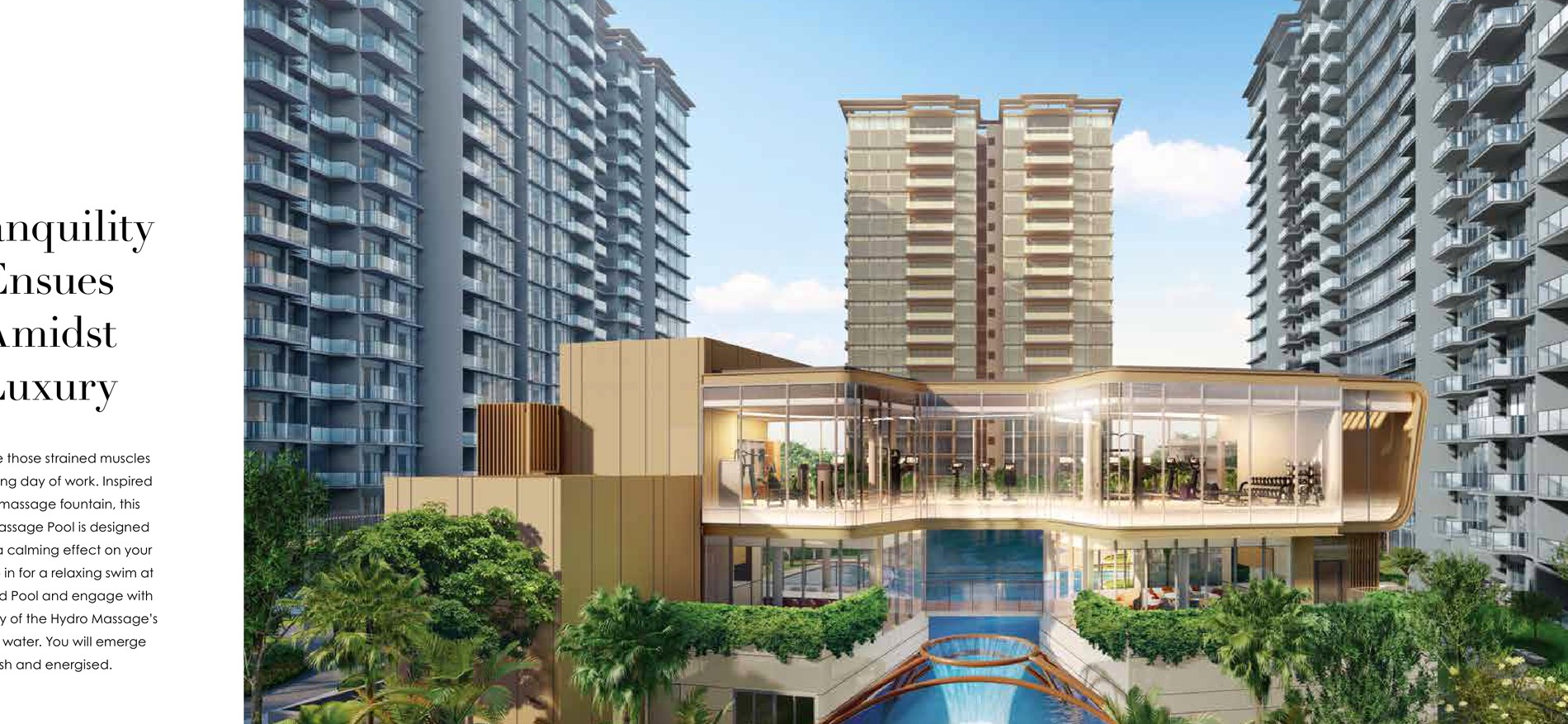
The May 2026 BTO exercise is an exercise in preparation: HFE letter in hand, town shortlist validated against queue-to-unit ratios, First-Timer priority correctly filed. Families applying as FT (PMC) for a Standard non-mature flat have realistic one-to-two-attempt odds; those targeting Plus or Prime in a choicer catchment should plan for several exercises of patience. The framework has changed since 2024 — re-read the rules even if you applied under the old mature/non-mature system.
Location: 38–44 Pine Grove, District 21 — set between Mount Sinai, Pandan Valley and Ulu Pandan Park Connector.
Tenure: 99-year leasehold commencing 13 February 2024.
Scale: 552 units across three 24-storey towers with a 2-basement carpark (442 parking lots).
Developer: Golden Ray Edge 3 Pte Ltd — a joint venture between MCL Land and Sinarmas Land.
Timeline: Expected vacant possession 14 November 2028; legal completion 14 November 2031.
Why it matters: A rare D21 private launch with direct access to the Rail Corridor, adjacent to good-class bungalow zones and 1 km from top primary schools.
Project at a Glance — LovelyHomes editorial infographic, 22 April 2026.
Why Nava Grove
Nava Grove is a rare beast in 2026 — a 552-unit private condominium on Pine Grove, perched on elevated ground between Mount Sinai and Pandan Valley, flanked by good-class bungalow (GCB) plots, and within walking distance of the Rail Corridor and Ulu Pandan Park Connector. District 21 GLS sites do not come to market often; sites that sit this close to two forest reserves and three top primary schools come to market even less often.
The project’s 25,039 sqm site sits on Lot 07403V MK04, Bukit Timah Planning Area, with a gross plot ratio of 2.1 (16.6% under the maximum envelope commonly seen for comparable sites). That gives the architects (P&T Consultants) room to spread three 24-storey towers across the site with generous green buffers to the surrounding GCB zone — a design move that is visible on both the site plan and the tower elevations.
A nature-adjacent address in mature District 21
Nature is genuinely close. Clementi Forest, Dover Forest, Rail Corridor and Ulu Pandan Park Connector are all within a short walk or cycle. The GCB zones to the east and west of the site mean long-range views are unlikely to be rapidly overbuilt — a feature in a city where few low-density views remain.
Joint venture between MCL Land and Sinarmas Land
Golden Ray Edge 3 Pte Ltd is the project vehicle, jointly held by MCL Land (the long-time Singapore developer with a deep pipeline of private-residential successes) and Sinarmas Land. Between them, the joint venture brings scale, capital discipline and a track record of orderly handovers — all relevant for a 552-unit project slated for TOP in late 2028.
Project At-a-Glance
Nava Grove — Snapshot
Source: Developer factsheet 30 September 2024 · District 21 Pine Grove
Developer
Golden Ray Edge 3 Pte Ltd (JV: MCL Land & Sinarmas Land)
Address
38, 40, 42 & 44 Pine Grove, Singapore (597774–597777)
China Communications Construction Company (Singapore)
Expected VP
14 November 2028
Expected legal completion
14 November 2031
Unit Mix and Sizes
Nava Grove — Unit Mix
Bedroom Type
Approx. Size (sqm / sqft)
Share Value
2 Bedroom
58 / 624
6
2 Bedroom Premium
65 / 700
6
2 Bedroom + Study (show unit)
73 / 786
6
3 Bedroom
88–92 / 947–990
6
3 Bedroom Premium
102–103 / 1,098–1,109
7
4 Bedroom
124 / 1,335
7
4 Bedroom Dual-Key (show unit)
136 / 1,464
7
4 Bedroom Premium + Private Lift
144 / 1,550
7
5 Bedroom Premium + Private Lift (show unit)
160 / 1,722
8
Estimated cost per share: S$62 (before GST). Layouts with show units are available at the sales gallery.
Location and Connectivity
Nava Grove sits in a transitional pocket of Bukit Timah / Clementi — nature on one side, prime schools and mature residential enclaves on the other. Key journey times:
Dover MRT (East-West Line) — short drive or bus ride via Clementi Avenue 6.
Clementi MRT (East-West Line) — direct bus connectivity.
Holland Village MRT (Circle Line) — walking/cycling via the Ulu Pandan Park Connector for leisure, or short bus ride for daily commute.
Orchard Road — 15 minutes’ drive via Farrer Road.
CBD / Raffles Place — 18–22 minutes’ drive via Ayer Rajah Expressway.
Changi Airport — 25 minutes’ drive via PIE / ECP.
Schools and Education
One of the strongest features of Pine Grove is the primary-school catchment:
Henry Park Primary School (within 1 km)
Pei Tong Primary School (within 1–2 km)
Methodist Girls’ School (Primary and Secondary)
Fairfield Methodist School (Primary and Secondary)
Nan Hua Primary and Secondary
Higher education within a short drive includes the National University of Singapore, Singapore Institute of Management and a cluster of international schools in the Holland Village / Ghim Moh area.
Nature and Recreation
Clementi Forest and Dover Forest — green reserves within walking or cycling distance.
Rail Corridor — connects Bukit Timah to Tanjong Pagar for long-distance walking and cycling.
Ulu Pandan Park Connector — a direct green route towards Holland Village.
Singapore Botanic Gardens — accessible by car in under 10 minutes.
Lifestyle and Amenities
Holland Village, Ghim Moh and Clementi give Pine Grove a wide range of dining and retail options — from the coffee-shop-and-hawker-centre belt at Ghim Moh Market to Holland Village’s expat-friendly restaurants and cafés. Clementi Mall, West Coast Plaza and The Star Vista are all within short driving distance. Daily essentials such as supermarkets and clinics are well-served by the Pandan Valley commercial strip and the Mount Sinai area.
Worked Example — Indicative Monthly Cost
Illustration: 3-Bedroom (970 sqft)
Indicative price (pencilled S$2,450 psf)
S$2,376,500
25% cash + CPF down payment
S$594,125
75% loan (30-year, 3.2% p.a.)
S$1,782,375
Approx. monthly instalment
S$7,712
Estimated maintenance (6 shares @ S$62)
S$372
Property tax (owner-occupier est.)
S$300
Monthly holding cost (approx.)
S$8,384
Illustrative pricing; confirm actual psf at launch preview. Rental yield at S$5,800/month mid-stack rent would work out to ~2.9% gross.
Why Buyers Are Watching
District 21 private-launch scarcity. GLS sites in Pine Grove / Ulu Pandan come to market infrequently; resale inventory is the more common route and commands premium pricing.
Top-tier primary-school catchment. Henry Park Primary within 1 km is the kind of anchor that holds resale demand across cycles.
Nature adjacency. Few large private sites sit this close to forested green corridors with GCB buffers on either side.
Joint-venture strength. MCL Land and Sinarmas Land together bring scale and delivery discipline.
Balanced unit mix. The distribution across 2-, 3-, 4- and 5-bedroom layouts (with dual-key and private-lift premiums) supports both owner-occupier and upgrader buyers.
Risks and Trade-offs
No MRT station within immediate walking distance. The nearest MRT is a short drive / bus ride. Commuters who prefer a direct-to-MRT development may find the location less convenient than Canberra Crescent Residences or Arina East Residences.
Premium psf expectations. D21 and the Pine Grove address typically command premium pricing relative to mainstream OCR launches; budget planning should assume this.
Scale (552 units). Larger projects can face greater resale supply in any given quarter compared with boutique schemes — good for liquidity, less so for scarcity.
Frequently Asked Questions
What is Nava Grove’s tenure? 99-year leasehold commencing 13 February 2024. Effective remaining lease at expected TOP in November 2028 is approximately 94 years.
How many units and towers are there? 552 units across three 24-storey residential towers with two basement carpark levels.
Who are the developers? Golden Ray Edge 3 Pte Ltd — a joint venture between MCL Land and Sinarmas Land. Banker is Malayan Banking Berhad (Project Account 044-040-0031-3).
Which primary schools are within 1 km? Henry Park Primary School is within 1 km. Pei Tong Primary, Methodist Girls’, Fairfield Methodist and Nan Hua are within 1–2 km.
Is the development MRT-connected? There is no MRT station within a short walking radius. Nearest stations are Dover and Clementi (East-West Line) and Holland Village (Circle Line), reachable by bus or short drive.
When is vacant possession expected? 14 November 2028, with legal completion 14 November 2031.
What is the maintenance-fee share rate? Estimated S$62 per share (before GST). A 3-bedroom (6 shares) would pay roughly S$372 per month; a 4-bedroom premium (7 shares) roughly S$434.
Are show units available? Show units include the 2-Bedroom + Study (786 sqft), 4-Bedroom Dual-Key (1,464 sqft) and 5-Bedroom Premium + Private Lift (1,722 sqft).
Summary — is Nava Grove for you?
Nava Grove is best suited to families who want a prime-school catchment, nature adjacency and the District 21 addressing, and who are willing to trade direct-to-MRT convenience for low-density surroundings. For long-hold owner-occupiers, the Pine Grove address is rare enough to justify the pricing; for pure-yield investors, an MRT-fronting OCR launch may produce higher gross yields.
Source: Developer factsheet (as at 30 September 2024).
Disclaimer: All information is believed accurate at the time of publication (22 April 2026) but is not a representation by the developer or LovelyHomes. Prices, timelines and specifications may change. Nothing on this page constitutes an offer or invitation to contract. Please obtain the most current sales materials from the authorised sales channel before making any decision.
Quick Answer — Canberra Crescent Residences at a glance
Location: 51/53/55/57 Canberra Crescent, District 27 — within the Northern Explorer Loop park connector, 2 minutes’ walk to Canberra MRT (North-South Line).
Tenure: 99-year leasehold commencing 4 November 2024 (fresh lease, not a top-up).
Scale: 376 units across four 12-storey residential towers, with a 3,000 sqm Canberra Club — a rare amenity scale for the north.
Developer: Peak Crescent Pte Ltd — a joint venture between Kheng Leong Co. Pte Ltd and Low Keng Huat (Singapore) Limited.
Timeline: Expected NOVP 30 April 2030; legal completion 30 April 2033.
Why it matters: One of the largest private-residential launches in the North in 2026, with 74% of the site dedicated to greenery and facilities.
Project at a Glance — LovelyHomes editorial infographic, 22 April 2026.
Why Canberra Crescent Residences
For more than a decade, Sembawang has quietly been one of Singapore’s best-kept value stories — a mature HDB town with a healthy stock of private residential enclaves, a low-density planning overlay, and a North-South Line MRT interchange in Canberra that residents barely mention on the national skyline. In 2026, as the Woodlands Regional Centre expands and the Johor-Singapore RTS Link moves toward its opening, that low-profile status is changing. Canberra Crescent Residences is the clearest expression of the new Canberra thesis: a private condominium, direct to MRT, priced at an OCR discount to equivalent RCR sites, with the RTS Link and Northern Agri-Tech & Food Corridor as medium-term capital-uplift catalysts.
A fresh 99-year lease
The lease commences 4 November 2024 — the development is effectively a brand-new 99-year parcel. There is no lease-decay drag on valuation relative to comparable older estates. Combined with an expected TOP in 2030 and a legal completion in 2033, the effective remaining lease at handover is close to the maximum 97.5 years.
The Canberra Club — amenity scale that punches above its weight
At 3,000 sqm (more than 32,000 sqft), the Canberra Club is one of the largest private condominium clubhouses in the North. It is anchored at blocks 55 and 57 and integrated with sky gardens, creating a facility footprint that would be unusual in a 99-year leasehold project of this size. 74% of the site area — approximately 170,000 sqft — is dedicated to greenery and facilities.
Project At-a-Glance
Canberra Crescent Residences — Snapshot
Source: Developer factsheet 10 July 2025 · District 27 Sembawang
Developer
Peak Crescent Pte Ltd — JV of Kheng Leong Co. Pte Ltd & Low Keng Huat (Singapore) Limited
Canberra Club (3,000 sqm), sky garden (Blocks 55 & 57), childcare centre (1 storey of Block 51)
Expected NOVP
30 April 2030
Expected legal completion
30 April 2033
Unit Mix and Sizes
The 376-unit mix is tilted toward three- and four-bedroom family layouts — a sensible response to the Sembawang catchment, which is overwhelmingly family-oriented. Two-bedroom stock is meaningful enough for right-sizers and investors (90+ units combined), but the project is not an investor-heavy one-bed play.
Canberra Crescent Residences — Unit Mix
Bedroom Type
Approx. Size
Units
1 Bedroom
38 sqm / 409 sqft
3
2 Bedroom Compact
53 sqm / 570 sqft
23
2 Bedroom Premium
62 sqm / 667 sqft
68
3 Bedroom Compact (Ca)
74 sqm / 797 sqft
90
3 Bedroom Compact (Ca-P)
81 sqm / 872 sqft
4
3 Bedroom Compact (Cb)
82 sqm / 883 sqft
35
3 Bedroom Compact (Cc)
81 sqm / 872 sqft
12
3 Bedroom Premium
92 sqm / 990 sqft
57
4 Bedroom Compact (Ca)
108 sqm / 1,163 sqft
24
4 Bedroom Compact (Cb)
109 sqm / 1,173 sqft
12
4 Bedroom Standard
113 sqm / 1,216 sqft
36
4 Bedroom Premium
123 sqm / 1,324 sqft
12
TOTAL
376
Location and Connectivity
Canberra MRT (North-South Line) — 2 minutes walk via side gates.
3 MRT stations to Woodlands MRT (Thomson-East Coast Line interchange).
4 MRT stations to Woodlands North MRT — the future RTS Link terminus.
Direct access to the Northern Explorer Loop park connector.
Bus stops a 2-minute walk from the side gates.
Malls, Eateries and Daily Needs
5-minute walk to the 24-hour Sheng Siong Supermarket at Blk 105.
5-minute cycle to Canberra Plaza (mall with anchor tenants).
1 MRT stop to North Point City.
3 MRT stops to Causeway Point.
5-minute cycle to Bukit Canberra hawker centre (800 seats).
Coffeeshops at Blk 105 Canberra Street, Blk 115 Canberra Walk and Blk 120 Canberra Crescent — all within a 6-minute walk.
Seafood restaurant at 1036 Sembawang Road (8-minute walk).
Schools Nearby (within 1 km)
Townsville Primary School
Sembawang Primary School (applicable to Blocks 51 & 53)
Wellington Primary School
Recreation
Sembawang Park — waterfront family park with historic structures.
Sembawang Hot Spring Park — a rare natural hot spring in Singapore.
Bukit Canberra — integrated sports and community hub.
Upcoming Transformations — Why Canberra in 2026
The 2026–2033 Canberra uplift thesis
Housing: Chencharu Estate expansion and Sembawang North BTO pipeline add population density without saturating the MRT.
Jobs: Woodlands Regional Centre expansion and Northern Agri-Tech & Food Corridor — jobs within 15 minutes by MRT rather than a CBD commute.
Connectivity: RTS Link (targeted opening 2026) and the North-South Corridor (progressive opening from 2026) re-rate the North on journey-time maps.
The practical effect of the above is that by the time Canberra Crescent Residences reaches TOP in 2030, the area will have changed substantially from how it looks in April 2026 — more infrastructure, more jobs within short commute distance, and a cross-border commute option that was not available before.
Worked Example — Indicative Monthly Cost
Illustration: 3-bedroom compact Ca (797 sqft)
Indicative price (pencilled S$1,850 psf)
S$1,474,450
25% cash + CPF down payment
S$368,610
75% loan (30-year, 3.2% p.a.)
S$1,105,840
Approx. monthly instalment
S$4,785
Estimated maintenance (6 shares, ~S$68/share)
S$408
Property tax (owner-occupier est.)
S$170
Monthly holding cost (approx.)
S$5,363
Pricing is illustrative for modelling only; confirm the actual psf at launch preview. Maintenance share value is published by the developer at 6 shares for this type.
Why Buyers Are Watching
North Singapore reset. The combination of RTS Link opening, the North-South Corridor, and the Woodlands Regional Centre expansion is the largest planning bet north of Bishan in a decade.
Direct MRT connectivity. A 2-minute walk to Canberra MRT is rare in this part of the island — most private launches in D27 are a 10–15 minute bus ride from a station.
Amenity scale. A 3,000 sqm club house in a 376-unit scheme translates to ~8 sqm of clubhouse per unit — comparable with top-tier 600+ unit schemes.
Fresh 99-year lease. No lease-decay discount relative to older estates nearby.
Sembawang primary-school catchment. Townsville, Sembawang and Wellington all within 1 km.
Risks and Trade-offs
OCR location risk. Rental yield depends on the Canberra / Woodlands office and RTS catchment turning into an actual employment centre within the hold period. Conservative forecasters should model a 10–15% haircut on headline yields.
MRT dependency. Without the North-South Line, Canberra is a 25–30 minute bus ride to the nearest major mall outside the station catchment — MRT service quality matters.
Supply in the North. Chencharu Estate and other upcoming BTO/private sites will add substantial housing supply over the same 2028–2032 window; pricing discipline matters.
Frequently Asked Questions
Is Canberra Crescent Residences freehold? No. It is a 99-year leasehold development with the lease commencing 4 November 2024.
How many units and towers are there? 376 residential units across four 12-storey towers, with a sky garden at blocks 55 and 57 and a childcare centre occupying one storey of block 51.
Who is the developer? Peak Crescent Pte Ltd — a joint venture between Kheng Leong Co. Pte Ltd and Low Keng Huat (Singapore) Limited. The project’s banker is United Overseas Bank Limited (Project Account 770-306-805-0).
Which MRT station is nearest? Canberra MRT (North-South Line), a 2-minute walk from the side gates. 3 stations to Woodlands (TEL interchange) and 4 stations to Woodlands North (RTS Link terminus).
Which primary schools are in the 1 km catchment? Townsville Primary School, Wellington Primary School, and Sembawang Primary School (Sembawang applies to blocks 51 and 53).
What is the construction method? APCS — Advanced Precast Concrete System — which allows for faster build cycles and consistent precast quality.
When is the expected vacant possession? Expected NOVP is 30 April 2030, with expected legal completion on 30 April 2033.
How large is the clubhouse? The Canberra Club is 3,000 sqm (more than 32,000 sqft) — one of the larger private condominium clubhouses in North Singapore.
Will the RTS Link affect this project? Yes — Woodlands North is four stations from Canberra and is the RTS Link terminus. The opening of the RTS Link (targeted 2026) and the progressive rollout of the North-South Corridor (from 2026) materially shorten cross-border and cross-island journey times.
Summary — is Canberra Crescent Residences for you?
Canberra Crescent Residences is best suited to North-side families looking for a direct-to-MRT private condominium with club-scale amenities, and to long-hold investors with a thesis on the RTS Link and the Woodlands Regional Centre. If your strategy is short-hold CCR flips or a maximum rental yield play, the location is not the natural home — but the 2030 TOP window aligns well with the infrastructure delivery calendar for the North, which is the clearer long-term bet.
Source: Developer factsheet (as at 10 July 2025); RTS Link and North-South Corridor timelines as at April 2026.
Disclaimer: All information is believed accurate at the time of publication (22 April 2026) but is not a representation by the developer or LovelyHomes. Prices, timelines and specifications may change. Nothing on this page constitutes an offer or invitation to contract. Please obtain the most current sales materials from the authorised sales channel before making any decision.