
Checked 28 September 2026. After an HDB owner dies, the family needs two separate answers: who can retain the flat, and what housing debt remains. A surviving ownership interest does not establish that the mortgage has been paid. Start with the lender’s current statement and the insurance decision before making a housing or spending commitment.
Correction: The previous article wrongly required a refund of the deceased owner’s CPF housing principal and accrued interest, and its example assumed that Home Protection Scheme cover cleared the entire mortgage. Both have been removed. The earlier blanket eligibility, MOP-reset and transfer-timing claims should not be relied on.
CPF housing use is not a new bill to the estate
CPF Board says the deceased’s CPF housing refund is automatically waived. That is separate from the outstanding housing loan. It does not create a cash payout equal to past housing withdrawals, and it does not cancel the lender’s balance. A CPF nomination also does not transfer the flat.
Do not add a historic CPF-use figure to the family’s expected cash receipts or subtract it as a fresh liability of the deceased. Use the actual account and loan statements for the separate questions they answer. A living co-owner’s own CPF position needs separate confirmation if the flat is later sold or ownership changes.
Check whose HPS cover was in force
CPF Board’s HPS guidance requires cover when CPF savings pay monthly HDB housing instalments; this is not limited to an HDB concessionary loan. Cash-paying owners are encouraged to apply. Cover is subject to approval, and approved exemptions using suitable private insurance are possible. Members who are not eligible for HPS can still use CPF for instalments.
HPS generally ends at age 65 or when the housing loan is paid up, whichever is earlier. An owner’s share of cover should at least match their instalment responsibility, with household cover totalling at least 100%. Each owner can choose higher cover, up to 100% individually. Check the actual certificate and current cover details instead of assuming that “we have HPS” means either person’s death clears everything.
Write down the insured person, cover share, insured sum, period and any exclusions. If the family has private mortgage or life insurance instead, locate that policy and ask the insurer about the claim and recipient. Do not count an anticipated payout before its amount and payment route are confirmed.
Follow the claim through to the lender’s readback
CPF’s HPS claims guidance says it automatically assesses a deceased insured member’s eligibility after notification from ICA. It informs co-owners or next-of-kin about the outcome and any further information needed. Assessment is not approval: exclusions and the actual cover still matter.
Approved benefits go directly to HDB or the mortgagee, based on the cover share and up to the insured sum. Any excess goes to the insured member’s CPF Ordinary Account, with the deceased’s CPF savings then distributed through the applicable nomination or Public Trustee route. Do not expect the mortgage payment to arrive as unrestricted cash in a family bank account.
Ask the lender how instalments should be handled while assessment is pending and who is authorised to discuss the account. After payment, obtain the revised loan balance and payment instructions. Avoid cancelling a payment arrangement simply because a claim has been acknowledged.
A partial payment can leave a substantial balance
For arithmetic only, suppose a lender confirms a $240,000 balance immediately before an approved insurance payment of $144,000. The remaining principal would be $96,000, before any further interest, fees or other adjustments. These invented figures are not an HPS quotation or a prediction of a claim.
The useful next question is how the remaining debt will be handled, not whether the home now has a large paper value. Ask the lender about the actual options and requirements. A family’s agreement that one person should stay does not itself approve a replacement borrower or a new repayment arrangement.
| Confirmation | Evidence to obtain |
|---|---|
| Insurance payment | The approved amount, recipient and payment status. |
| Remaining debt | The lender’s updated balance and repayment instructions. |
| Ownership route | HDB and legal confirmation for the intended owners and this flat. |
Insurance does not decide who may keep the flat
HDB’s life-event procedures remain a separate step. Use the title, grant and document checklist and the inheritance eligibility guide to organise those questions. No insurance outcome overrides retention conditions.
For the intended occupier, make a temporary household budget that includes the confirmed instalment, utilities, service charges and essential living costs. For beneficiaries considering a sale or another purchase, keep unconfirmed sale proceeds and insurance money out of the deposit budget. Retention, a properly assessed family buyout and sale can produce different housing and cash outcomes; compare them only after the authority, eligibility and debt position are clear.
General information, checked 28 September 2026. This is an administrative and financial checklist based on current agency guidance, not a claim decision or independent legal review. No case citation is needed for these procedural points. The old invented family outcome, unsupported timelines, forecasts and diagrams have been removed.
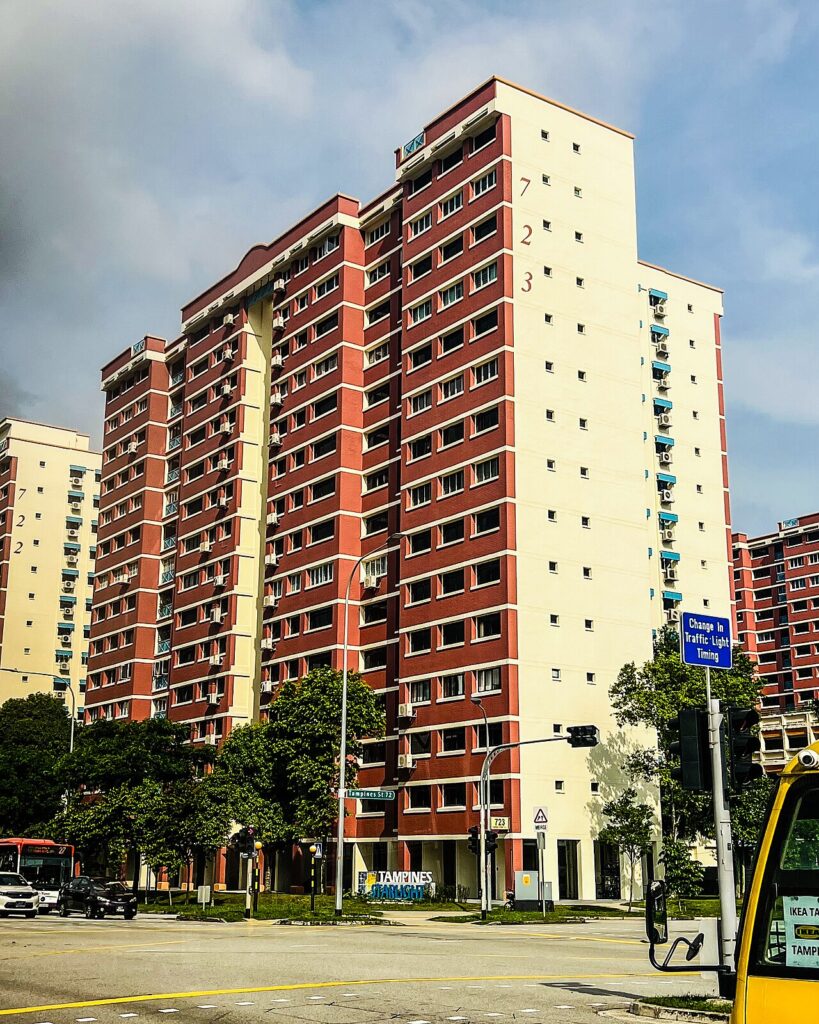
Contextual photograph: Block 723 Tampines, 17 May 2024, S5A-0043. Source · CC BY 4.0. Resized; not a property or family assessed in this article.
_Block_723_Tampines_2024-05-17.jpg)