Singapore private condominium rents edged up 0.8% quarter-on-quarter in Q1 2026 according to the URA rental index flash estimate released at the end of April. This is the first positive print since Q4 2023 — ending a nine-quarter stretch in which rents corrected from their post-pandemic peak. The flash estimate will be finalised in early May; historically the full release has moved within 0.2 percentage points of the flash.
Core Central Region%1.2
Rest of Central Region%0.9
Outside Central Region%0.5
Overall private%0.8
Q4 2025 (prior)%-0.3
Q3 2025 (prior)%-0.4
Q2 2025 (prior)%-0.6
Q1 2025 (prior)%-0.8
lovelyhomes.com.sgSource: URA private residential rental index flash estimate — Q1 2026
The regional picture
All three geographic segments moved up. The Core Central Region (CCR — districts 9, 10, 11 and the Marina area) led with a 1.2% quarter-on-quarter increase. The Rest of Central Region (RCR) gained 0.9%. The Outside Central Region (OCR) — the suburban bulk of the private market — rose 0.5%. The CCR’s stronger performance reflects a tighter top-end rental pool; prime CCR units are thinner in supply and the relocation-driven expatriate demand has firmed since the start of the year.
For context, the private rental index had declined every quarter since Q4 2023, with the 2024-25 cooling driven by the large pipeline of TOP completions meeting a softer expatriate demand backdrop. The 2026 turn suggests that pipeline pressure has worked itself through and the market is returning to an equilibrium where rents track wage and demand growth.
HDB rentals — still positive
HDB subletting continues its separate trajectory. The HDB rental approvals index (IRAS data, which lags URA by roughly one quarter) has risen 3.8% year-on-year through Q4 2025. HDB rents never corrected in the 2024-25 window the way private rents did — the HDB rental stock responds to a different demand base (mid-income professionals, young families waiting for keys, short-term relocation) and the supply-side discipline (subletting caps, minimum occupation period) keeps the rental inventory tight.
What’s driving the turn?
Three forces matter. First — supply. The TOP pipeline for private condos peaked in 2024-25; 2026 sees materially fewer new completions. Fewer new units hitting the rental market means the absorption rate improves. Second — demand. Employment pass approvals are up in financial services, tech and healthcare in the first quarter. Each new Employment Pass holder is a prospective renter for the first 6-12 months. Third — positive feedback. The URA flash estimate signals that the rental decline is over, which tends to pull forward renewal decisions; existing tenants renewing on marginal rent increases rather than trying to negotiate down.
Landlord implication
For landlords, the shift from rent cuts in 2024-25 to modest increases in Q1 2026 is the first signal that rental reversion is positive again. Model future cashflow with a conservative 1.5-2.5% annual reversion assumption, not the 0% baseline that worked for the last 18 months.
District-level colour
Within the CCR, the strongest performers were rental comparables in D09 Orchard / River Valley and D10 Tanglin / Holland / Bukit Timah, where the flight-to-quality dynamic has been most pronounced. Luxury segment rents (3-bedroom and above in CCR condos) were up 1.6% QoQ, outpacing 1-bedroom rents (+0.9% QoQ) — a reversal of the prior-year pattern where compact units outperformed.
In the OCR, the strongest gains were in D15 Katong / Marine Parade and D19 Hougang / Serangoon / Punggol, where the retiree and family-owner-occupier demographic has kept the rental inventory thin. OCR 2-bedroom rents were up 0.7% QoQ; 3-bedroom up 0.6%.
What happens in Q2 2026?
Two signals to watch. First — the full URA Q1 2026 release around 24 April will confirm the flash number and give the district-level breakdown. Any significant revision from the flash estimate would be a short-term market mover. Second — the IRAS rental-assessment data for Q2, due in August, will test whether the flash signal converts into actual transaction-level evidence. Landlords and tenants negotiate new leases on the flash, but the real test is whether signed leases in April and May reflect the flash.
On current trajectory, the base case is that Q2 2026 prints another +0.6-1.0% QoQ — a continuation of the turn, not an acceleration. A breakout above 1.5% QoQ would suggest the market is pricing in a tighter supply-demand balance than currently evident in the TOP pipeline. A return to zero or negative prints would indicate the Q1 reading was noise, not signal.
Implications for property investors
If you are holding a Singapore private condo as investment property, three things follow. First — rental yields, which had been compressing since early 2024, should stabilise. On a constant-denominator basis (ignoring capital value changes), a unit pulling S$4,500 rent two quarters ago and S$4,536 now is earning an extra S$864 annually — modest but directionally positive. Second — the tax arithmetic matters more at the margin. Non-owner-occupier property tax is flat-banded, so modestly higher rent drops more cleanly to the bottom line than the gross reversion suggests. Third — refinancing windows: lenders use rental income in TDSR computation; a hotter rental market eases borrowing capacity for investors.
Cross-read — what this means for buyers
For buyers currently deciding between purchase and continued rental, the rental turn removes one of the ‘wait and see’ arguments. In a market where rents were falling every quarter, the financial case for delaying purchase was concrete — every quarter of rental saved versus the carry cost of owning. With rents turning up, that argument weakens. Paired with the stable mortgage-rate environment (SORA has held in the 2.8-3.1% band through Q1), the total cost of owning relative to renting has improved on the margin for eligible first-property buyers.
Bottom line
The Q1 2026 private rental print is the first clear turn after nine quarters of decline. At +0.8% QoQ, the move is modest but broad-based. The full URA release in early May will confirm whether the flash signal holds. For landlords, it is the first time since 2023 that modest positive rental reversions are a reasonable planning assumption. For tenants, the negotiating leverage of the last 18 months has narrowed — lock in renewal terms if they are already favourable.
Sources: Urban Redevelopment Authority (URA) Q1 2026 private rental index flash estimate (https://www.ura.gov.sg/); IRAS rental approvals data. This article is editorial commentary produced by the LovelyHomes team and does not constitute investment or financial advice. Rates, indices and figures are current as at the date of publication. Buyers and investors should consult a licensed professional before making a property-related decision.
Property tax is the annual levy every Singapore property owner pays to the Inland Revenue Authority of Singapore (IRAS). Unlike Buyer’s Stamp Duty, which you pay once at acquisition, property tax recurs every year for as long as you hold the property. The rates are modest for a 4-room HDB owner-occupier (often under S$200 a year), but they escalate steeply for larger homes and for investors who rent out residential units.
Quick Answer
Property tax is an annual tax on every Singapore property, paid to IRAS by 31 January each year.
It is calculated as AV × tax rate. AV (Annual Value) is IRAS’s estimate of the annual rent the property could command, unfurnished.
Owner-occupiers get the concessionary rate — a progressive 0-32% scale with a generous S$12,000 AV zero band.
Non-owner-occupiers pay investor rates — flat 12/28/32/36% bands, with no zero band and no concessionary relief.
Rates were increased in Budget 2023 and held steady in Budget 2026 — higher-AV owners are feeling the progressive bite.
The formula is simple: Annual Tax Payable = Annual Value × Applicable Rate. Annual Value (AV) is IRAS’s administrative estimate of the rent the property could fetch on the open market if it were let out unfurnished, on a yearly tenancy. IRAS assesses AV based on current market rents of comparable properties within the same development, district or estate. For a condo in a mature development, the AV moves up and down as rental comparables move — though not in lock-step; AV revisions typically lag spot rent by two to four quarters.
Two different rate schedules apply, depending on whether the owner lives in the property (owner-occupier) or rents it out or leaves it vacant (non-owner-occupier). Owner-occupier rates are concessionary. Non-owner-occupier rates are much higher. The policy intent is to reward owner-occupation and to capture a larger share of rental income at source.
The 2026 rate schedule — owner-occupier
lovelyhomes.com.sgSource: IRAS AV assessment methodology; LovelyHomes modelling
The owner-occupier schedule is progressive, with seven bands rising from 0% on the first S$12,000 of AV to 32% on AV above S$100,000. The structure is designed so that most HDB owner-occupiers pay very little property tax, while owners of premium homes pay meaningful amounts. A key change was introduced in Budget 2023: the top rate was raised from 23% to 32% for AV above S$100,000, with interim tiers bumped too. Budget 2026 held these rates steady — no further increases, no decreases.
If you rent out your property, or leave it vacant (held as investment), the non-owner-occupier rates apply. Four bands: 12% on the first S$30,000 of AV, 28% on the next S$15,000, 32% on the next S$15,000, and 36% on AV above S$60,000. Note that there is no zero band. Even a modest AV attracts 12% tax. For a landlord with a property at S$45,000 AV, annual property tax is roughly S$7,800 — an important line item in any rental-yield computation.
How IRAS determines Annual Value
AV is not what the owner declares, and it is not the actual rent the property commands. IRAS uses a bottom-up comparables approach: for each property, it references a pool of comparable rented units within the same development and computes a central tendency (typically a median or trimmed mean). For HDB flats, IRAS publishes a simplified AV table updated each year. For private condos, AV follows a comparable-rent methodology with adjustments for size, floor level and facing.
IRAS reviews AV annually. If market rents in your development have moved more than 5-10% over the past 12 months, expect a re-assessment notice in November or December. You have 30 days from the date of the notice to object under s.20 of the Property Tax Act if you disagree with the revised AV. Objections that succeed typically rely on specific, documented evidence — actual rental agreements, a licensed valuer’s opinion, or comparable-rent data showing the AV is above market.
Worked example 1 — owner-occupier 4-room HDB
A Singapore-citizen owner-occupier of a 4-room HDB flat in a mature estate. IRAS-assessed AV for 2026: S$13,500.
First S$12,000 × 0% = S$0
Next S$1,500 × 8% = S$120 Annual property tax = S$120
For the owner-occupier HDB household, property tax is effectively a token charge. This is deliberate policy — the MOF has kept HDB owner-occupier tax burdens minimal since the current schedule was introduced.
Worked example 2 — owner-occupier mid-sized condo
A Singapore-citizen owner-occupier of a 3-bedroom condo in the OCR. IRAS-assessed AV: S$38,000.
First S$12,000 × 0% = S$0
Next S$18,000 × 8% = S$1,440
Next S$8,000 × 12% = S$960 Annual property tax = S$2,400
On a S$1.6m market-value condo with an S$38,000 AV, the effective property-tax rate is 0.15% of market value per annum — substantially lower than property-tax rates in most comparable global cities.
Worked example 3 — investor condo (non-owner-occupier)
An investor holds the same 3-bedroom OCR condo in worked example 2 for rental purposes. The unit is rented out or held vacant. Non-owner-occupier rates apply.
First S$30,000 × 12% = S$3,600
Next S$8,000 × 28% = S$2,240 Annual property tax = S$5,840
The same property, same AV, same owner — but held as investment rather than occupied — attracts 2.4× the property tax. Budget this into rental-yield calculations: property tax is typically the second-largest operating cost for a Singapore landlord after mortgage interest.
Key takeaway
Owner-occupier property tax rates are low by international standards. Non-owner-occupier rates are meaningfully higher and compound the investment case on rental property. If your living arrangements change and your home is no longer owner-occupied, IRAS must be notified within 15 days — failure to update the designation is a compliance issue.
Owner-occupier concession — eligibility rules
To qualify for the owner-occupier rate, the property must be occupied by the owner as their main residence. An individual can only enjoy the owner-occupier rate on one property at a time. Joint owners of two properties cannot claim owner-occupier on both — only one can receive the concession.
A spouse who also owns property can claim owner-occupier on their own home, provided each home is actually occupied by at least one of the owners. The rule, in effect, is: one owner-occupier concession per owner. Overseas assignments, military posting, or temporary vacancy up to 24 months do not automatically forfeit the concession — but IRAS must be notified if the property is not occupied for a sustained period.
Payment — deadlines and billing
Property tax bills are issued in December and are payable in full by 31 January of the following year. Most owners use GIRO monthly instalments — 12 instalments starting in January, automatically debited from the owner’s bank account. Late payment attracts a 5% surcharge after 30 days, plus monthly interest of 1.5% per month up to 12 months (compounding on the unpaid amount).
Reliefs, rebates and exemptions
Parenthood Property Tax Rebate (budget-driven): From time to time, the Ministry of Finance grants one-off rebates — for example, Budget 2023 announced a rebate of up to S$60 for lower-AV owner-occupied homes for the 2023 tax year. Budget 2026 did not introduce new rebates but retained the existing schedule.
Heritage/conservation properties: Owners of gazetted conservation properties may apply for concessionary assessment where the conservation designation restricts commercial use. Applications go through URA’s conservation secretariat.
Charitable or educational use: Properties used exclusively for registered charity or educational purposes may qualify for full or partial exemption under s.4 of the Property Tax Act. Application is made to IRAS with supporting documentation.
Appealing an AV assessment
If you believe your AV is too high, you can object within 30 days of the notice. The strongest objections bring specific data: (a) actual rental agreements for comparable units in your development, (b) a signed opinion from a licensed valuer, or (c) URA-registered rental transactions for comparable private homes. IRAS considers objections on the balance of evidence; a general argument that ‘rents have softened’ without supporting numbers is unlikely to succeed.
Common mistakes
First — do not assume the HDB standard AV will stay constant. IRAS updates AV tables annually, and estate-level rental movements feed into the tables. Budget a modest property-tax increase year-on-year.
Second — do not forget to notify IRAS when a property stops being owner-occupied. If you rent out the spare room or move overseas and let the property, non-owner-occupier rates apply from the first day of the change. Late notification attracts back-assessment.
Third — do not assume property tax is deductible against rental income on your personal income tax return. It is, but only for the portion of the year the property was rented out, and only in the year it was incurred. Keep clean records.
Frequently asked questions
1. When is property tax due each year?
By 31 January. Bills are issued in December. Most owners use GIRO monthly instalments.
2. What if I own the property jointly with my spouse?
Property tax is levied on the property, not the individual. The bill is addressed to the first-named owner but is a joint obligation. Owner-occupier concession applies if at least one owner occupies as main residence and no other owner has claimed the concession on another property.
3. Is property tax deductible against rental income for income tax?
Yes — for the period the property is rented out. The deduction is claimed in your personal income tax return under rental expenses.
4. What is the difference between Annual Value and market rent?
AV is IRAS’s administrative estimate based on comparables. Market rent is the rent a willing landlord can command from a willing tenant. AV typically lags market rent by 2-4 quarters, so AV may understate rent in rising markets and overstate rent in falling markets.
5. Can I appeal my AV?
Yes, within 30 days of the assessment notice. Objections should cite specific comparable-rent data, preferably a licensed valuer’s opinion or URA-registered lease transactions.
6. If I leave my HDB flat vacant, do I still pay the owner-occupier rate?
For short periods yes. If the vacancy extends beyond 24 months, or if you have moved overseas and the flat is empty, IRAS may reassess under the non-owner-occupier schedule. Contact IRAS to discuss your specific situation before the 24-month mark.
7. Does property tax change if I add or remove a room?
Structural changes that affect the usable floor area will trigger a reassessment. Routine renovation (flooring, repainting, kitchen replacement) does not.
8. How is property tax calculated on a new condo not yet TOP?
Before TOP, the property is typically vacant land or a construction site and property tax is assessed on the land value at non-residential rates. Once TOP is issued, residential property tax kicks in. Developers typically pay the pre-TOP tax; this rolls over to the buyer from the date of Temporary Occupation Permit onwards, pro-rated.
9. What happens if I sell a property mid-year?
Property tax is apportioned between buyer and seller at completion. Your conveyancing solicitor handles the apportionment on the completion statement.
10. Is there a discount for senior citizens?
No structural discount. Budget packages have occasionally included one-off rebates for lower-AV owner-occupied homes (benefiting retirees who downsize to HDB flats), but there is no permanent senior-citizen concession.
11. Can I use CPF to pay property tax?
No. Property tax must be paid in cash. CPF Ordinary Account is usable for mortgage servicing and conservancy fees (on some schemes), but not for property tax or utilities.
12. Where do I check my current AV?
Log in to myTax Portal (IRAS) with your Singpass. Your AV and current property tax assessment are shown under the ‘Property’ tab.
Disclaimer: This article is produced by the LovelyHomes editorial team for general information only. Figures, rates and rules reflect IRAS, HDB, URA, MAS and CPF publications current as at April 2026 and are subject to change. IRAS rates shown follow the Budget 2023 schedule, held steady through Budget 2026. No information on this page constitutes legal, tax or financial advice. Buyers should obtain independent professional advice before making a property decision.
If you are buying property in Singapore, Buyer’s Stamp Duty (BSD) is the one tax every buyer pays. It is not the headline tax that grabs the news — that distinction belongs to Additional Buyer’s Stamp Duty — but because it is universal, and because the 6% top band materially increases the acquisition cost of luxury homes, every buyer needs a clean mental model of how BSD actually works.
Quick Answer
BSD applies to every property purchase in Singapore, regardless of buyer profile — citizens, PRs, foreigners and entities all pay BSD.
Residential BSD is marginal, from 1% to 6%; the top band (6%) applies only to the portion above S$3m, not the whole price.
Non-residential BSD tops out at 5%, with a simpler band structure.
BSD is separate from Additional Buyer’s Stamp Duty (ABSD) — ABSD stacks on top for second and subsequent residential purchases, PRs, foreigners and entities.
Payment deadline: 14 days from document execution, 30 days if signed overseas. Late payment attracts penalties of up to 4× the duty.
Residential (>S$3m portion)6
Residential (S$1.5m–S$3m portion)5
Residential (S$1m–S$1.5m portion)4
Residential (S$180k–S$1m portion)3
Residential (S$180k onwards aggregate check)2
Residential (first S$180k)1
Non-residential (S$1.5m+ portion)5
Non-residential (next S$1m)4
lovelyhomes.com.sgSource: IRAS BSD rate table — in force 15 February 2023, still applicable April 2026
What is Buyer’s Stamp Duty?
Buyer’s Stamp Duty is a tax imposed by the Inland Revenue Authority of Singapore (IRAS) under the Stamp Duties Act (Cap. 312) on any document that transfers beneficial ownership of property, including residential, commercial, industrial and mixed-use real estate. BSD is levied on the higher of (a) the purchase consideration, or (b) the market value of the property at the date of the contract. IRAS reserves the right to challenge a transaction where the declared consideration appears below market; the reference point is typically the most recent URA caveat-lodged price for a comparable transaction.
BSD is payable by the buyer. That sounds obvious, but it matters — in some cross-border practice the seller absorbs stamp duty, and in Singapore the convention is the opposite. Buyers should budget BSD as a cash call, separate from the down payment, payable within 14 days of signing the contract (30 days if the document is signed overseas).
The 2026 rate schedule
The current BSD rate schedule has been in force since 15 February 2023, and remains unchanged in Budget 2026. The table below shows the marginal band structure for both residential and non-residential property.
lovelyhomes.com.sgSource: IRAS e-Tax Guide on Stamp Duty — 2026 update
Residential applies to HDB flats, condominiums, executive condominiums, landed property and vacant residential land. Non-residential applies to shophouses on commercial-only titles, industrial B1/B2 units, offices, retail, shop-houses on commercial-zoned land and boarding houses. Mixed-use properties — the classic example is a three-storey shophouse with retail on the ground floor and residential upstairs — are apportioned between the two schedules based on the usable floor area.
Worked example 1 — HDB resale flat at S$850,000
A Singapore-citizen first-time buyer is purchasing a 4-room resale flat in Queenstown for S$850,000. The market value confirmed by HDB on its valuation request is S$835,000. The higher of the two — S$850,000 — is the BSD base.
First S$180,000 × 1% = S$1,800
Next S$180,000 × 2% = S$3,600
Next S$490,000 × 3% = S$14,700 Total BSD payable = S$20,100
Because the buyer is a Singapore citizen purchasing a first property, Additional Buyer’s Stamp Duty (ABSD) is zero. The total stamp-duty cash call is therefore S$20,100. This amount can be paid using CPF Ordinary Account funds on reimbursement basis — the buyer pays cash upfront, then submits a CPF claim after legal completion.
Worked example 2 — Private condominium at S$2.4m
A Singapore-citizen buyer already owning one property is purchasing a 3-bedroom condo at S$2.4m. The S&P contract value is the BSD base (the unit is new-launch, purchased directly from the developer).
First S$180,000 × 1% = S$1,800
Next S$180,000 × 2% = S$3,600
Next S$640,000 × 3% = S$19,200
Next S$500,000 × 4% = S$20,000
Next S$900,000 × 5% = S$45,000 Total BSD payable = S$89,600
ABSD (Singapore citizen, 2nd property) = 20% × S$2,400,000 = S$480,000 Combined stamp duty cash call = S$569,600
Notice that BSD alone comes to S$89,600 — not a trivial number, but dominated in this scenario by the S$480,000 ABSD layer. Second-property buyers must budget the combined figure; stamp duties at this size cannot be financed by bank loan.
Worked example 3 — Good Class Bungalow at S$18m
A Singapore-citizen buyer is acquiring a Good Class Bungalow (landed, freehold) in District 10 at S$18m as a second property. This triggers every band of the BSD residential schedule plus the ABSD 20% rate for a Singapore citizen’s second residential acquisition.
Stamp duty is payable within 14 days of the date the instrument is executed in Singapore, or 30 days of its receipt in Singapore if executed overseas. IRAS accepts electronic payment through its myTax Portal e-Stamping service, available 24 hours. In practice, the conveyancing solicitor handles stamping at Option exercise.
Penalties for late payment
IRAS applies a penalty schedule that escalates with the delay: if the duty is unpaid within 3 months, the penalty is S$10 or the amount of the duty, whichever is greater. Beyond 3 months, the penalty compounds up to a maximum of 4 times the duty payable. Deliberate under-declaration of consideration is prosecuted under s.73 of the Stamp Duties Act; conviction attracts a fine up to S$10,000 and the duty owing plus 4× penalty.
Key takeaway
BSD is unavoidable. Every buyer — citizen, PR, foreigner, entity, first-timer or repeat — pays BSD on every Singapore property purchase. The 6% top band materially changes acquisition economics on homes above S$3m, so buyers at that level should model BSD and ABSD together before signing any Option.
BSD vs ABSD — how they relate
BSD is the base tax every buyer pays. ABSD is a residential-only surcharge applied for policy reasons — cooling speculative demand and multi-property ownership. The two are independent calculations on the same base (higher of price or market value), but they share the same 14-day payment deadline. Solicitors file both on the same stamping certificate.
Matrimonial asset transfer on divorce: stamp duty may be remitted under s.15(2) of the Stamp Duties Act when a property is transferred between spouses pursuant to a Court order.
Reconstruction or amalgamation: relief available where a property is transferred as part of a qualifying corporate reconstruction.
Property transferred to a qualifying charity: full remission available where the property is transferred to a registered charity for charitable use.
Common mistakes to avoid
First — do not rely on a rough percentage. BSD is marginal, so a quick ‘multiply the price by 4%’ estimate understates the bill on homes between S$1.5m and S$3m, and overstates it on homes below S$1m. Always compute band-by-band.
Second — do not confuse BSD and ABSD. Buyers sometimes budget for ABSD (because the number is large) and forget BSD entirely, leaving a five-figure cash gap on completion day. Six-figure BSD bills are common on the S$3m-plus segment.
Third — do not forget to include BSD on the higher of price or market value. If you buy from a related party at a discount, IRAS will challenge the consideration and assess on market value. Arm’s-length pricing protects the buyer.
Practical tips
Run the numbers through the IRAS BSD calculator before you sign an Option. Keep a cash reserve of 4-6% of purchase price for BSD and conveyancing. If you are purchasing on CPF, confirm with your solicitor that the CPF reimbursement timing works for your cash-flow plan — CPF cannot pay BSD directly; it is only reimbursable after legal completion.
Frequently asked questions
1. Is BSD the same as ABSD?
No. BSD is Buyer’s Stamp Duty — the base tax every buyer pays on any Singapore property. ABSD is Additional Buyer’s Stamp Duty — a residential-only surcharge applied to second+ purchases, PRs, foreigners and entities.
2. Can I pay BSD using CPF?
Yes, but only on reimbursement basis. You pay BSD in cash (usually through your conveyancing solicitor) and then submit a CPF claim post-completion. CPF Ordinary Account funds cannot pay BSD directly at stamping.
3. Is BSD tax-deductible?
For owner-occupiers, no. For investment properties, BSD forms part of the cost base and is relevant for capital gains computation on disposal (though Singapore does not levy a general capital gains tax, so this only matters if the holding period or volume of transactions makes the sale taxable as trading income).
4. What if I am buying an HDB flat under HPS eligibility?
BSD still applies to every HDB resale. For Build-to-Order (BTO) purchases from HDB directly, BSD is computed on the flat’s selling price after grants. CPF grants (e.g., Enhanced CPF Housing Grant) do not reduce the BSD base.
5. Do I pay BSD on inherited property?
No. Property transferred by operation of law — inheritance under a will or intestacy — is not subject to BSD. You still need to lodge the Grant of Probate or Letters of Administration with the Singapore Land Authority.
6. What about gifts from parents?
A gift is treated as a transfer for BSD purposes, computed on the market value. If parents gift you a property worth S$1.5m, you pay BSD on S$1.5m — potentially tens of thousands in duty. Many families structure the transfer through a sale at market value with a separate cash gift to fund the buyer.
7. What happens if I under-declare the purchase price?
IRAS has a wide investigative power under s.21 of the Stamp Duties Act. Under-declaration can attract back-duty assessment, 4× penalty, and in serious cases criminal prosecution under s.73. Arm’s-length pricing is a one-time expense; back-duty is multi-year.
8. Is BSD the same for corporate buyers?
The BSD rate schedule is identical. But entities (companies, trusts) also face ABSD at the entity rate (currently 65%). Consider the combined charge — BSD 6% plus ABSD 65% on a S$5m residential purchase = S$3.56m in stamp duty.
9. Can I refinance the mortgage to cover BSD?
No. The loan-to-value cap on refinancing is 75% of property value, and BSD is an acquisition cost that must be paid from equity. Buyers sometimes bridge BSD using personal lines of credit; this is expensive and should be a short-term measure only.
10. What documents do I need to file for BSD?
The Option-to-Purchase (OTP) or Sale and Purchase Agreement, plus the IRAS e-Stamping submission. Your conveyancing solicitor prepares the submission through myTax Portal.
Disclaimer: This article is produced by the LovelyHomes editorial team for general information only. Figures, rates and rules reflect IRAS, HDB, URA, MAS and CPF publications current as at April 2026 and are subject to change. Rates shown follow the IRAS rate table in force since 15 February 2023 and were verified against IRAS publications as at April 2026. No information on this page constitutes legal, tax or financial advice. Buyers should obtain independent professional advice before making a property decision.
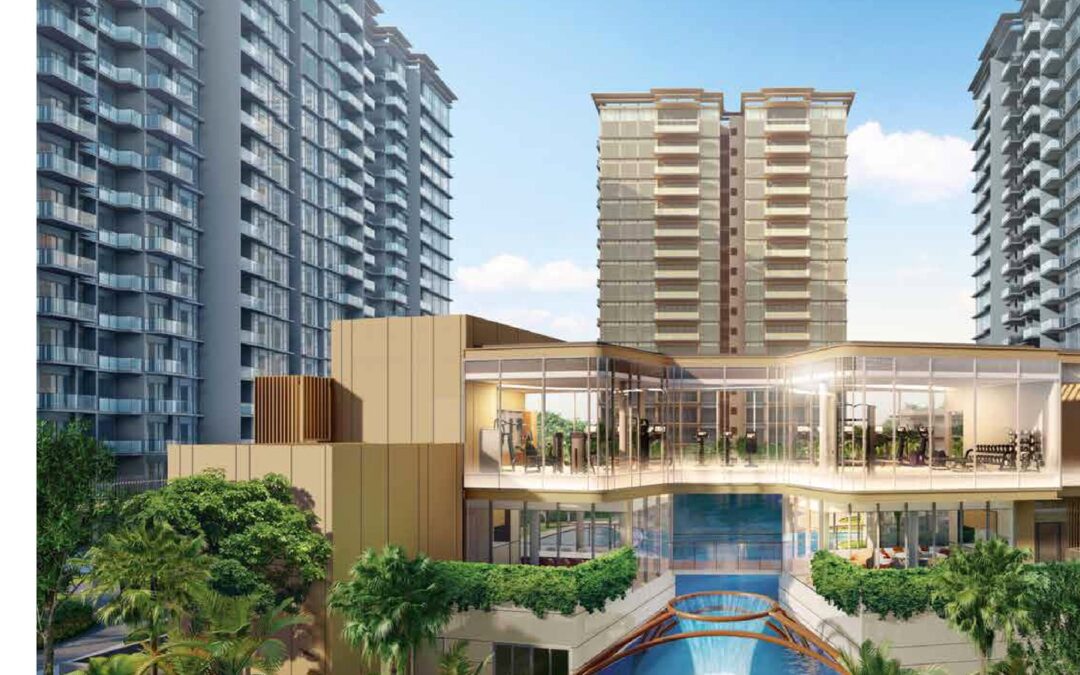
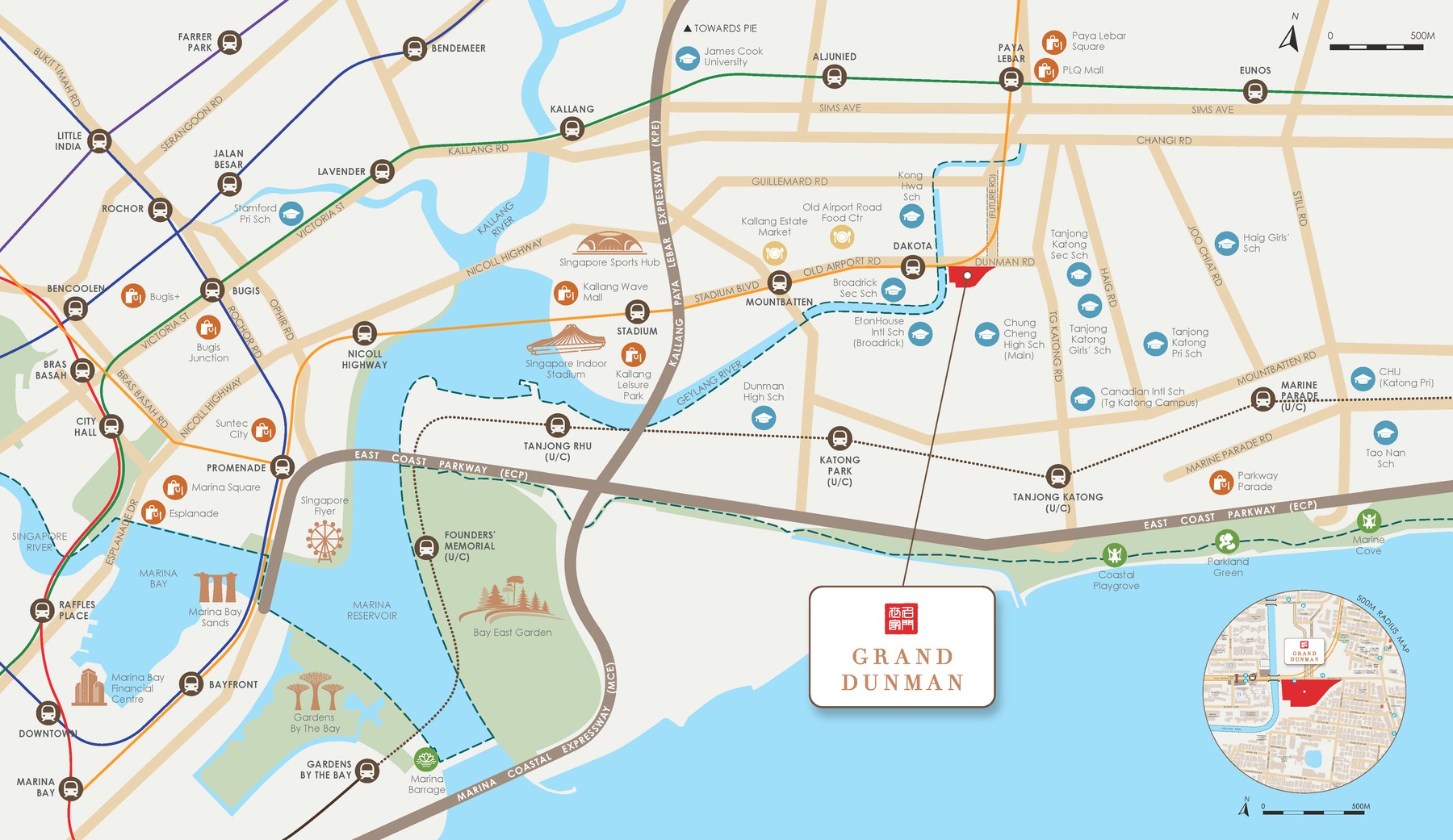
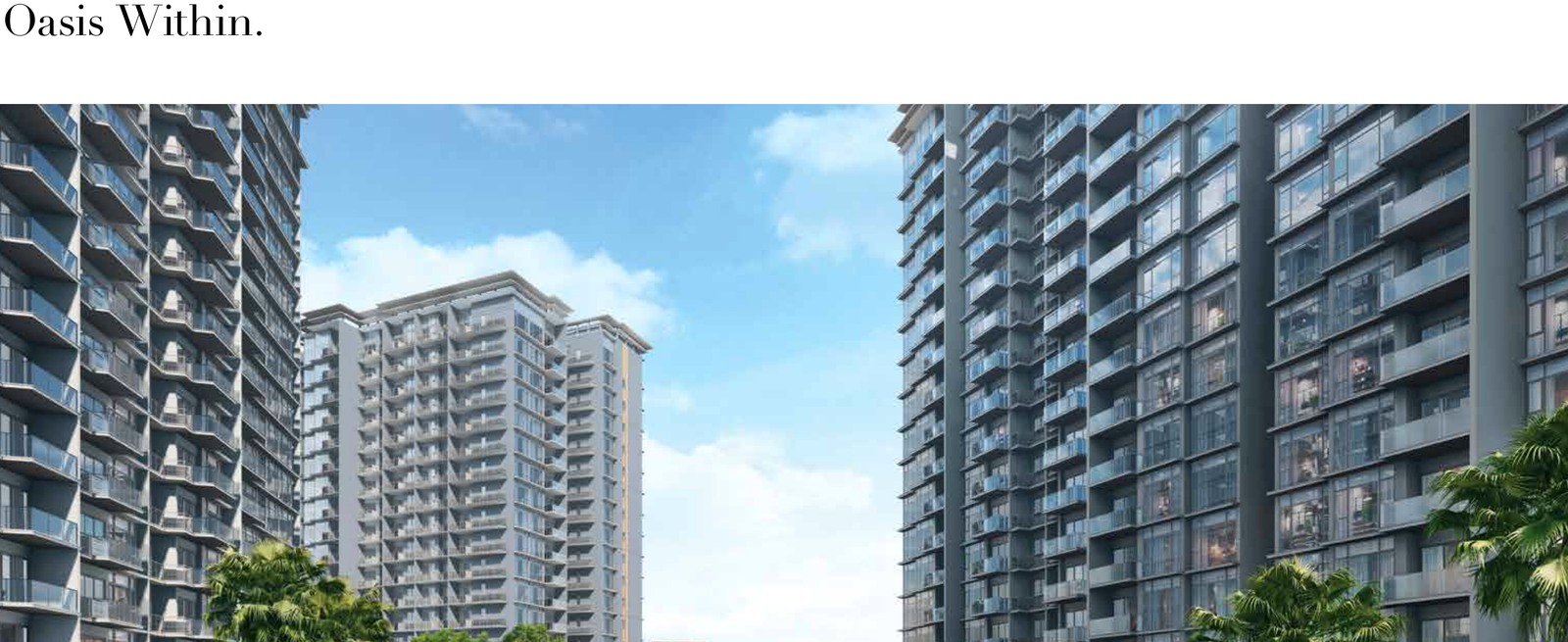
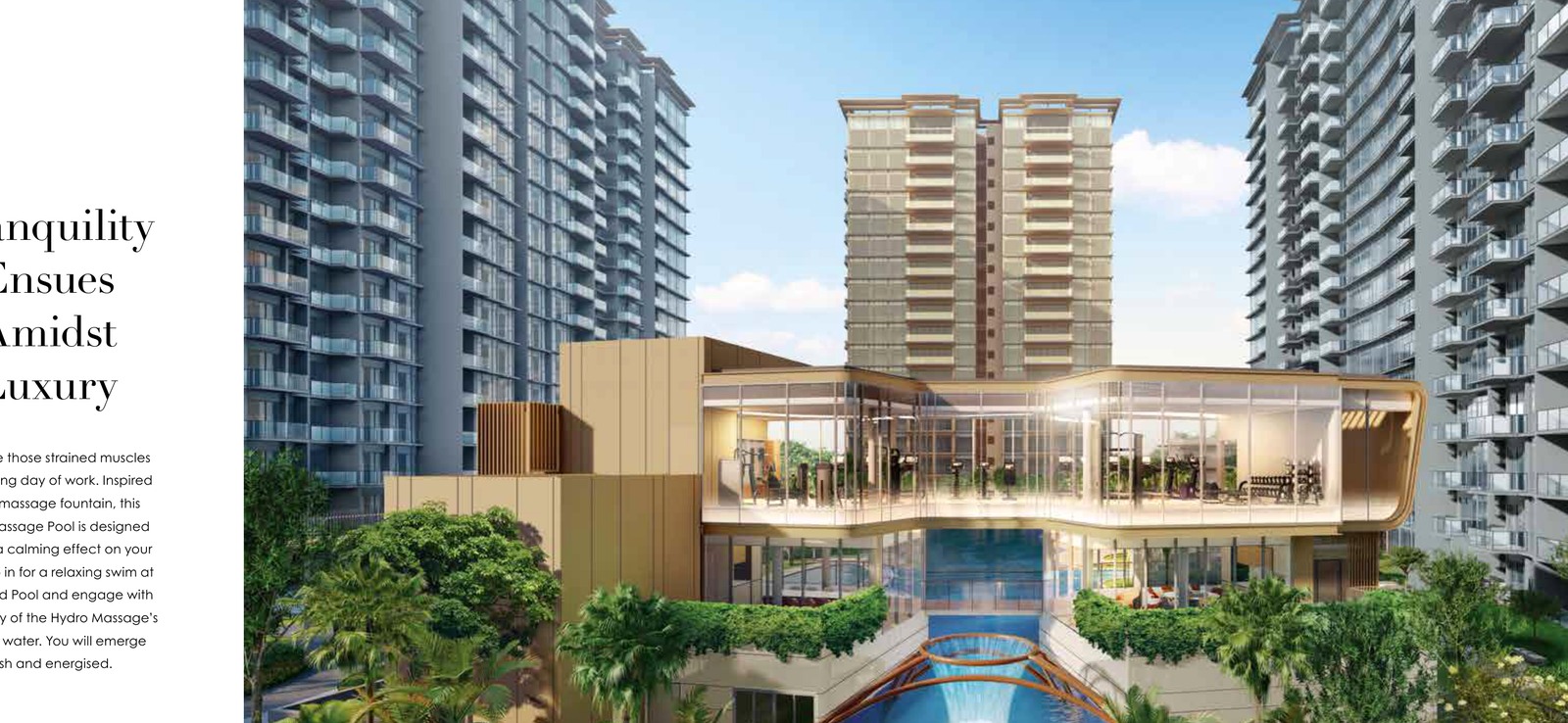
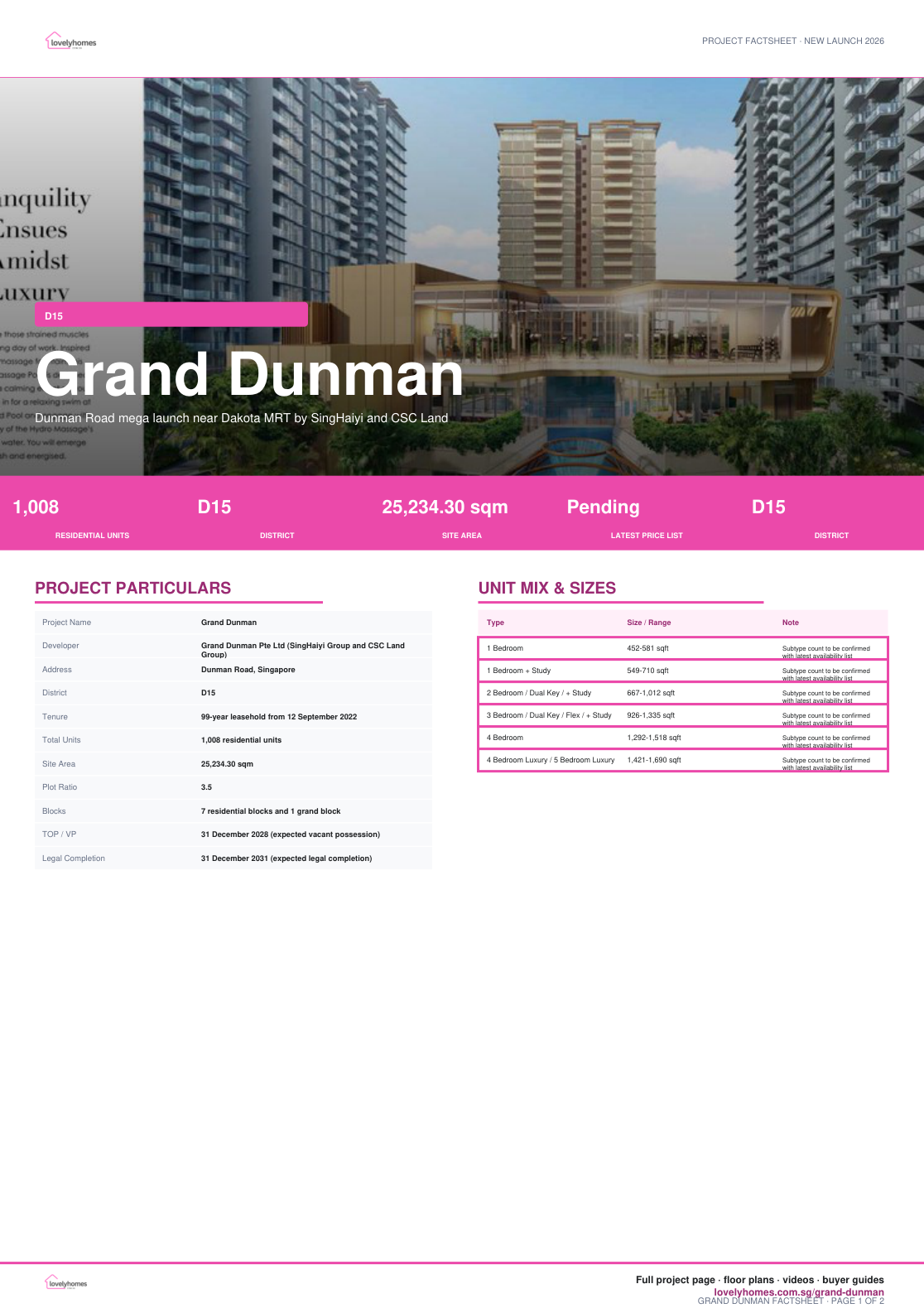
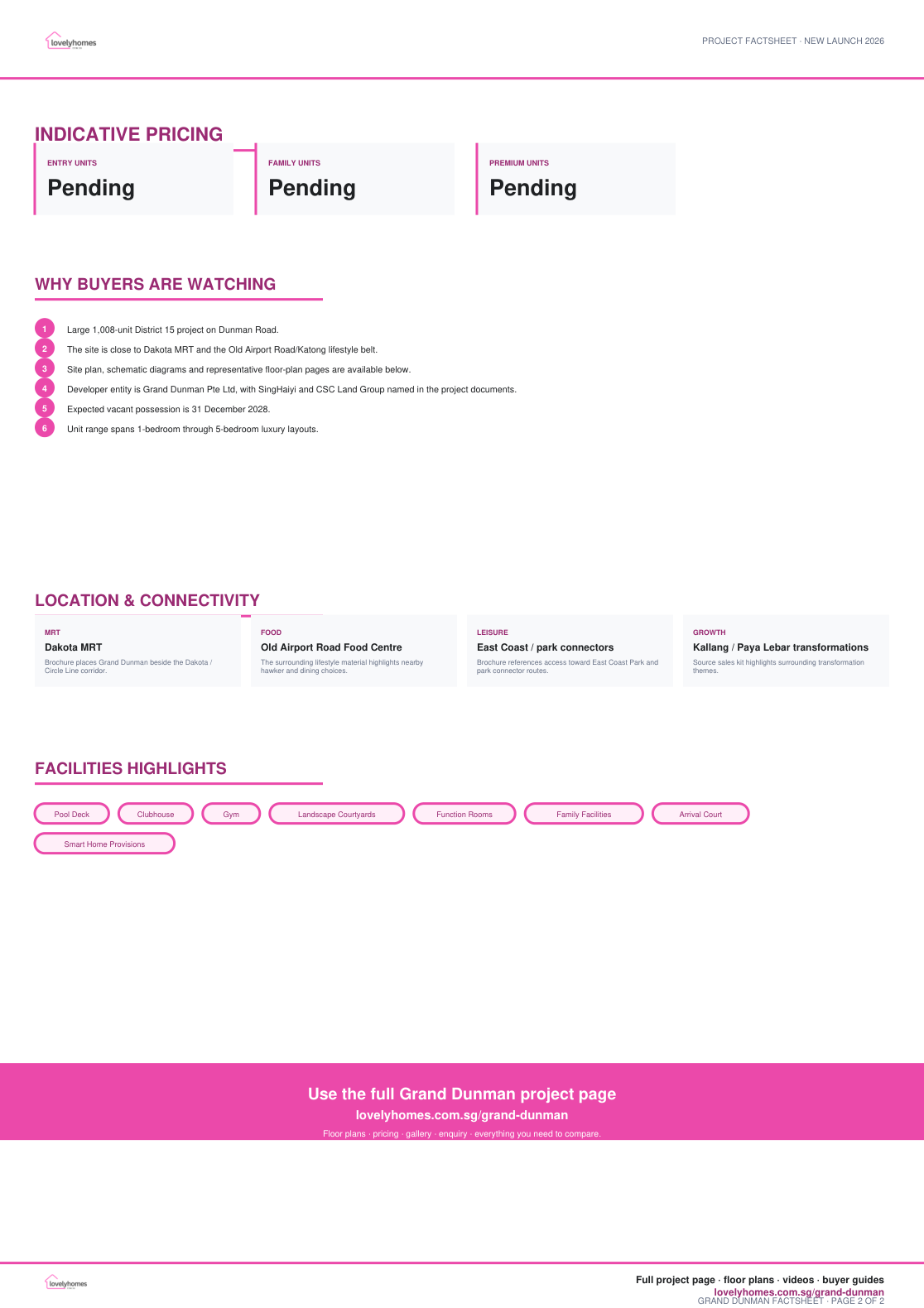
Grand Dunman Grand Dunman is a large-scale 1,008-unit District 15 development on Dunman Road, close to Dakota MRT, Old Airport Road, Katong amenities and the East Coast lifestyle belt.
01 · Address
D15 Location
Dunman Road, Singapore
02 · Scale
1,008 residential units
7 residential blocks and 1 grand block
03 · Tenure
99-year leasehold from 12 September 2022
Confirm the latest availability before shortlisting.
Project At-a-Glance
Project Name
Grand Dunman
Developer
Grand Dunman Pte Ltd (SingHaiyi Group and CSC Land Group)
Address
Dunman Road, Singapore
District
D15
Tenure
99-year leasehold from 12 September 2022
Total Units
1,008 residential units
Site Area
25,234.30 sqm
Plot Ratio
3.5
Blocks
7 residential blocks and 1 grand block
TOP / VP
31 December 2028 (expected vacant possession)
Legal Completion
31 December 2031 (expected legal completion)
Viewing Preparation
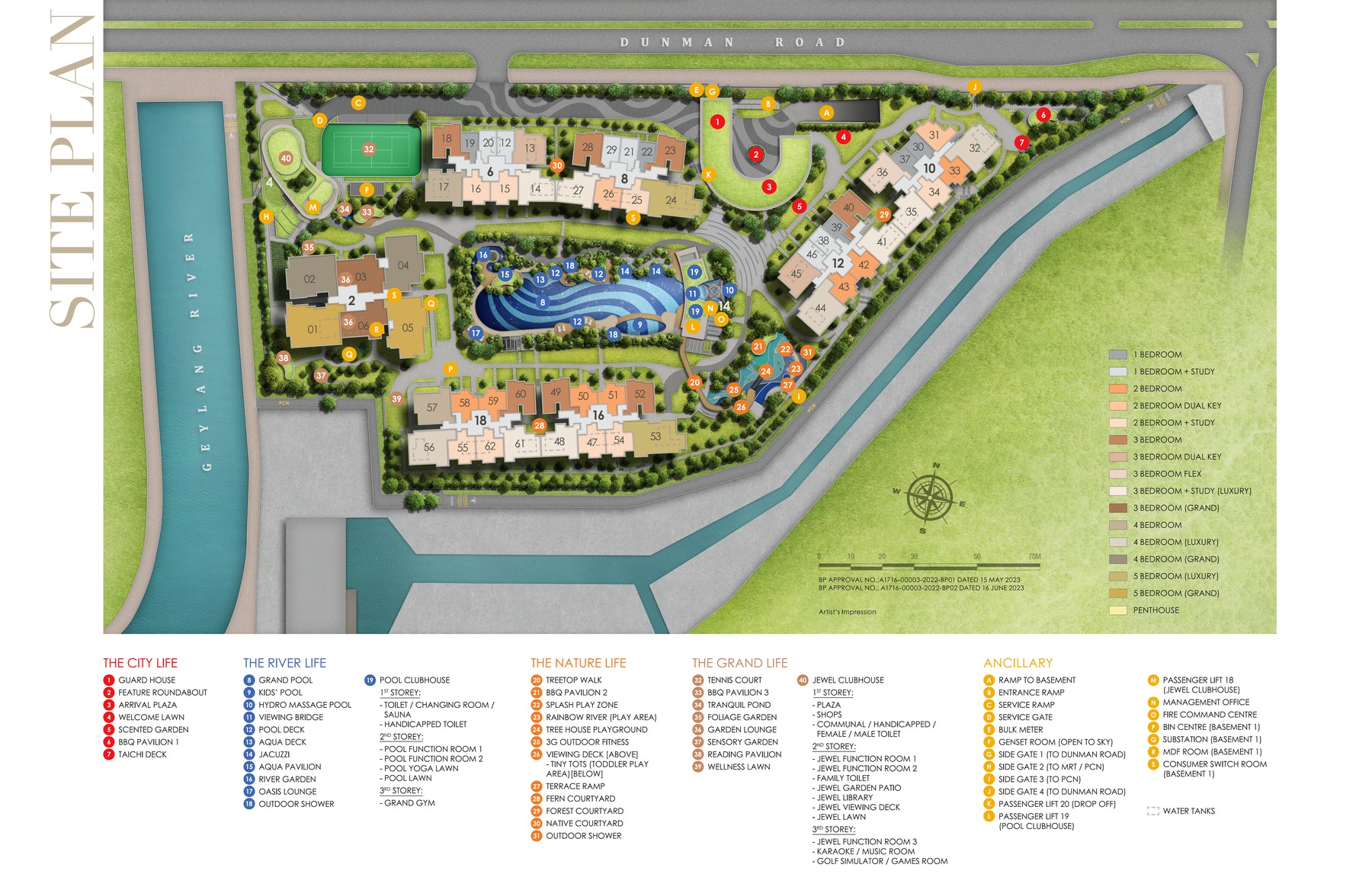
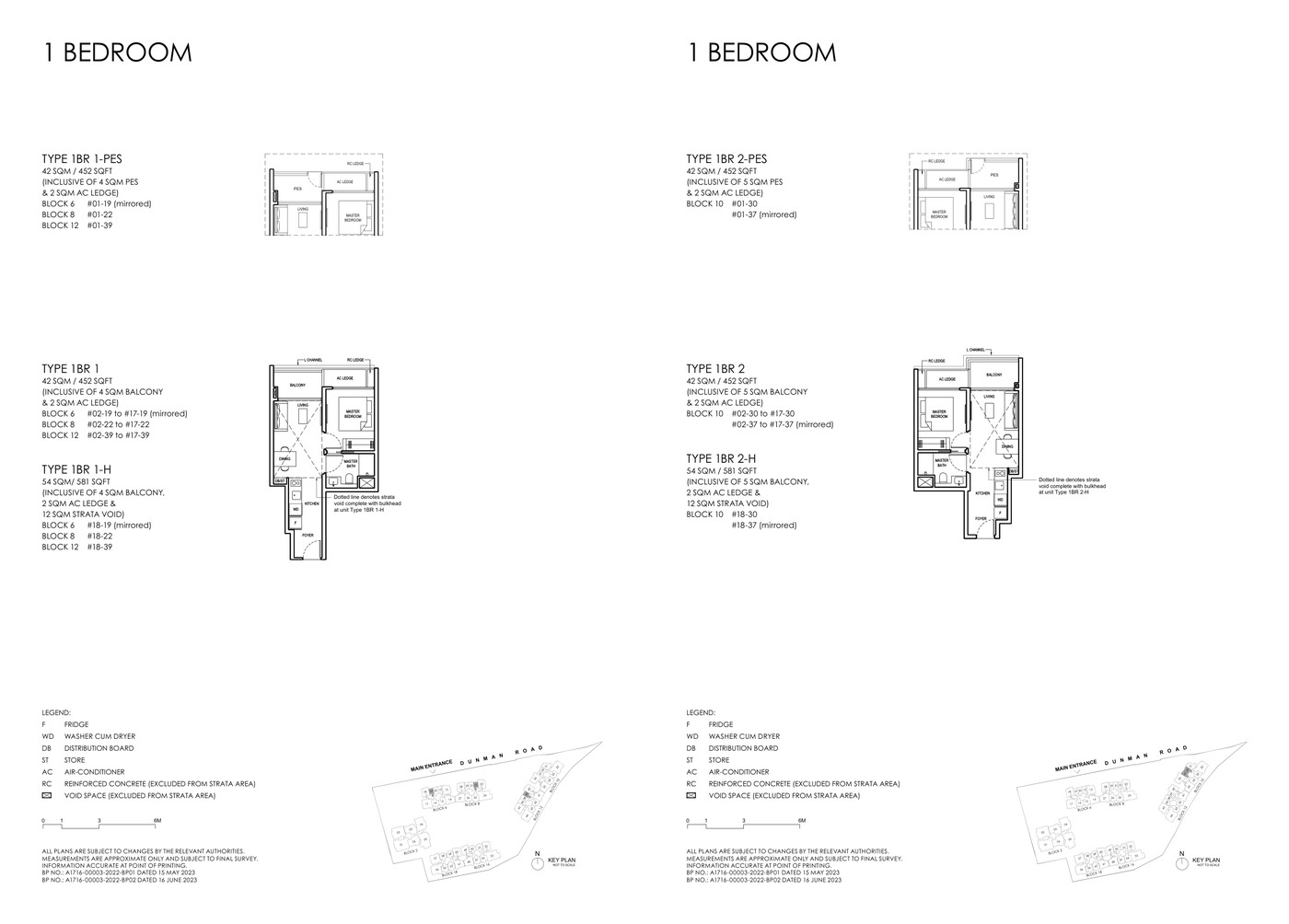
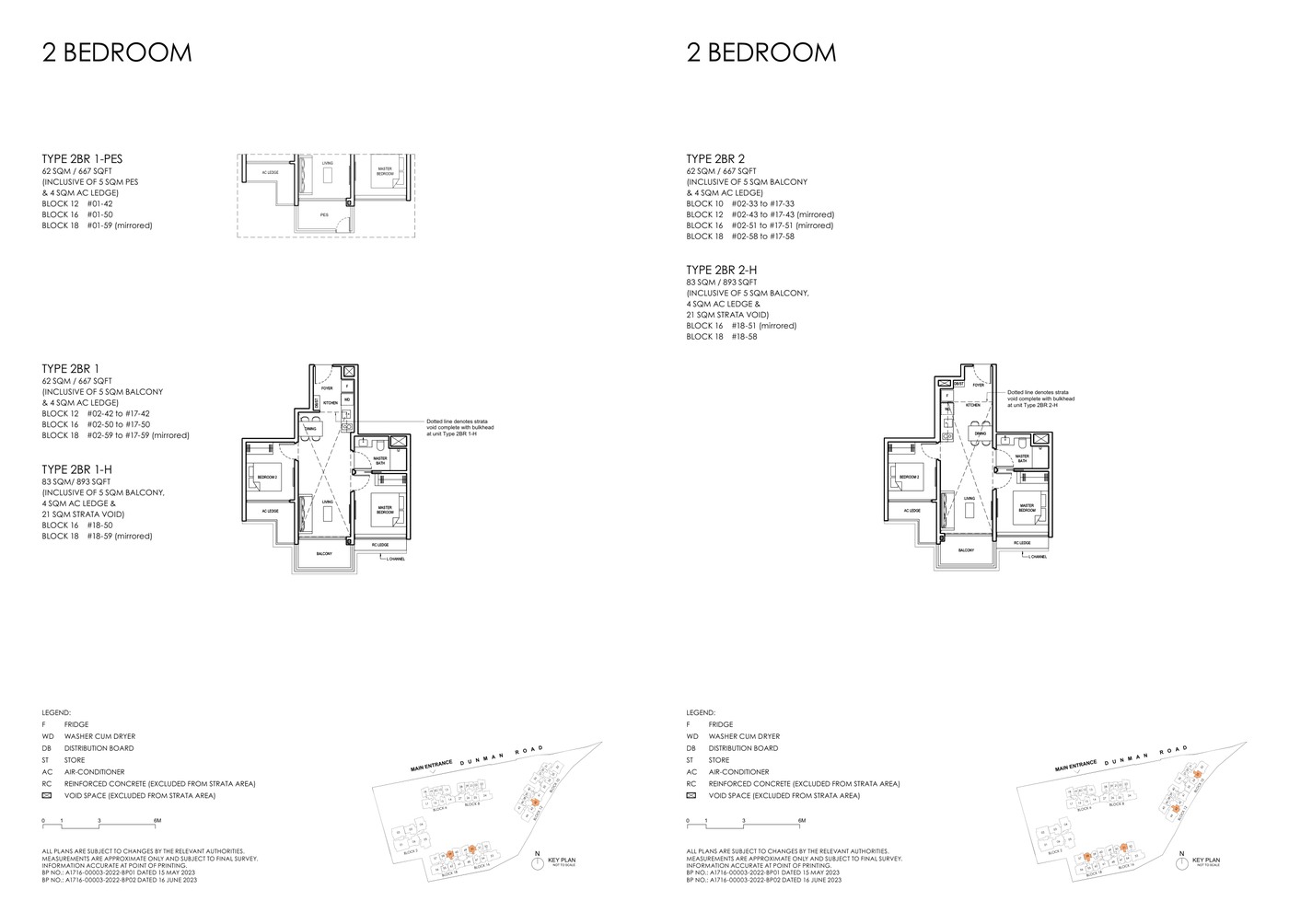
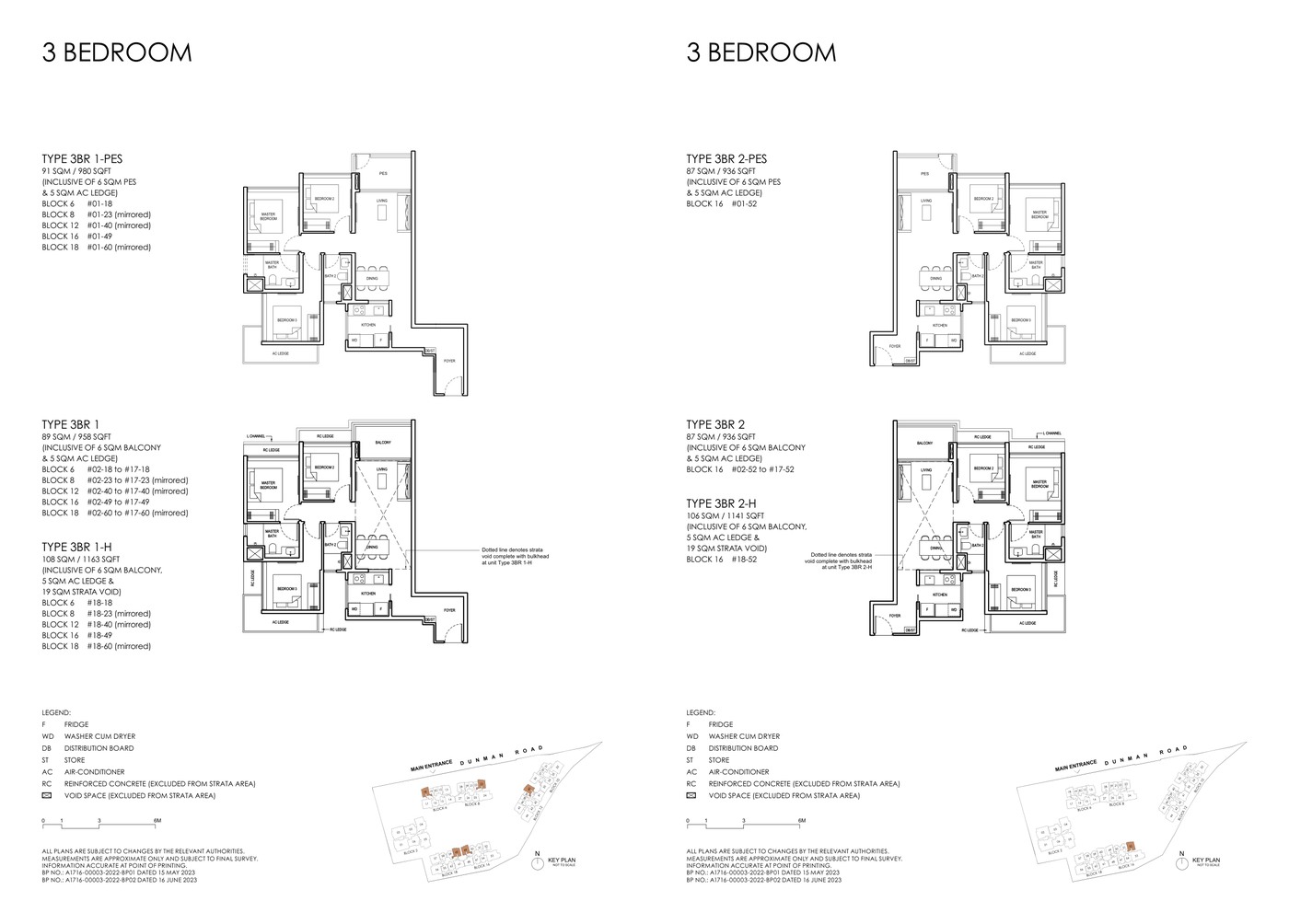
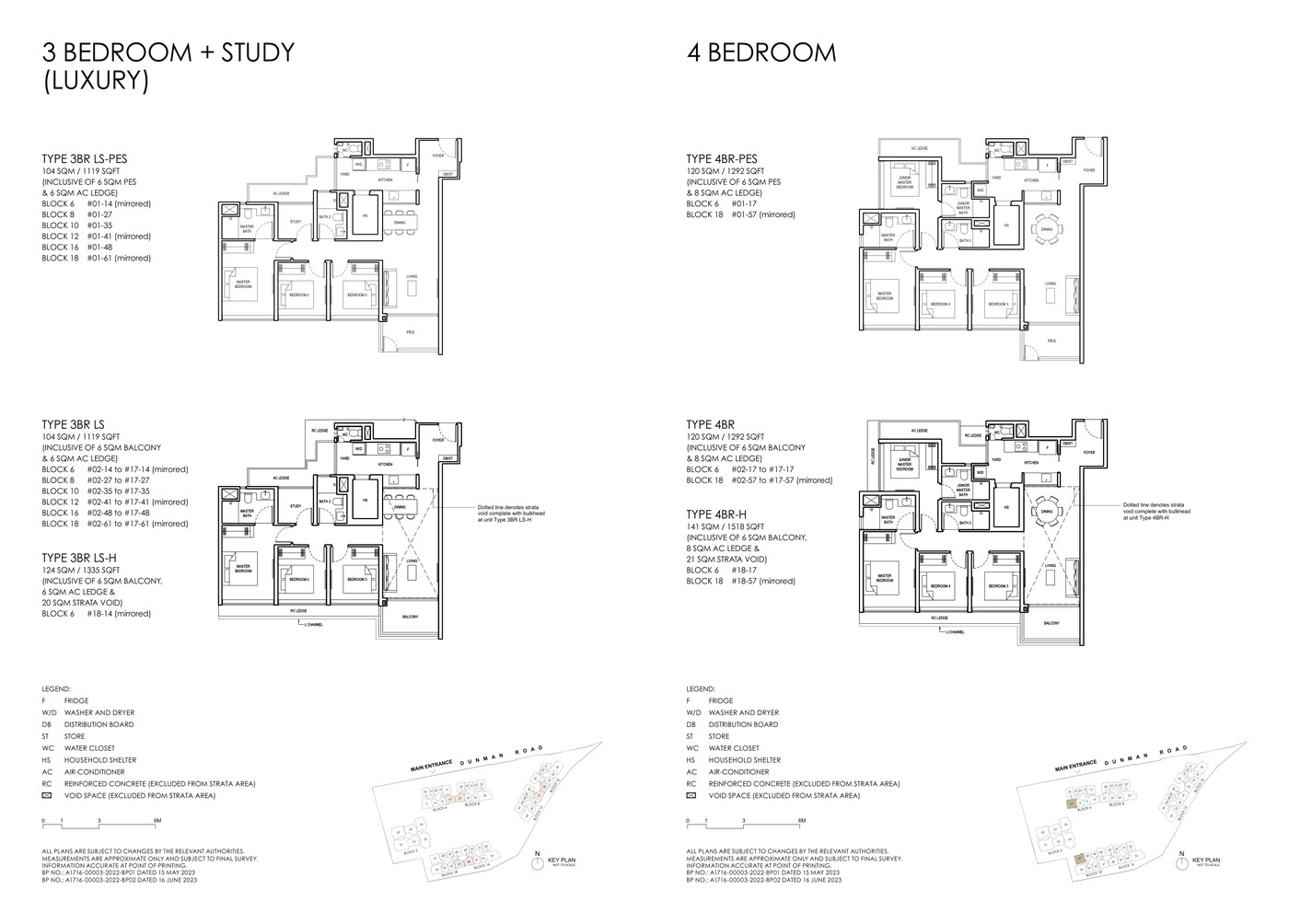
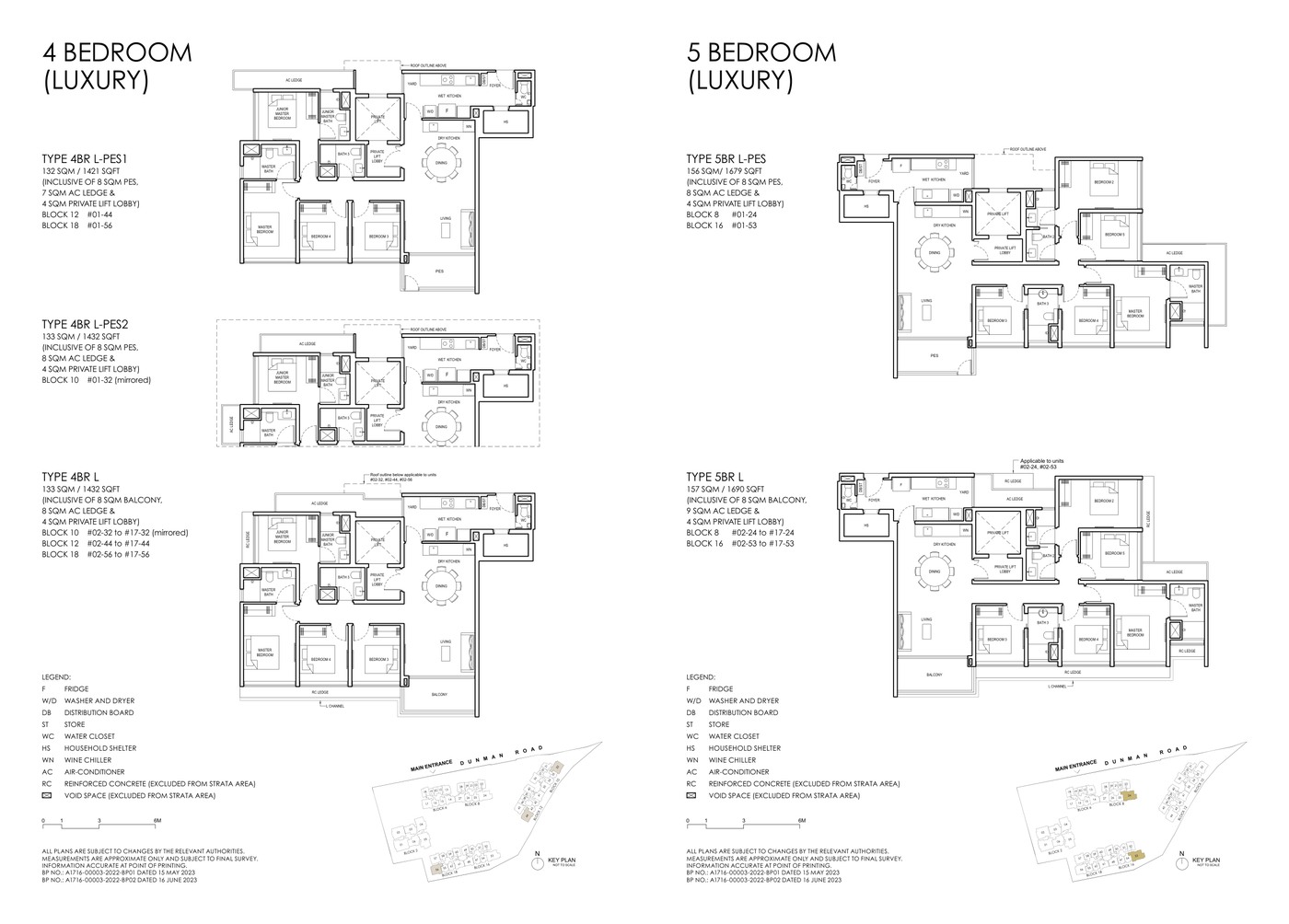
Use the factsheet, selected floor plans and site plan below to compare block positions, unit types and facility zones before shortlisting stacks.
Confirm current pricing, stack availability and final specifications before booking.
Unit Mix and Sizes
Bedroom Type
Size / Range
Availability Note
1 Bedroom
452-581 sqft
Subtype count varies by latest balance-unit list
1 Bedroom + Study
549-710 sqft
Subtype count varies by latest balance-unit list
2 Bedroom / Dual Key / + Study
667-1,012 sqft
Subtype count varies by latest balance-unit list
3 Bedroom / Dual Key / Flex / + Study
926-1,335 sqft
Subtype count varies by latest balance-unit list
4 Bedroom
1,292-1,518 sqft
Subtype count varies by latest balance-unit list
4 Bedroom Luxury / 5 Bedroom Luxury
1,421-1,690 sqft
Subtype count varies by latest balance-unit list
Unit areas and availability may change. Confirm the latest stack, price and size information before shortlisting.
Indicative Pricing
Entry Units
From S$1.412M
1BR + Study Luxury, 549-710 sqft
2BR Units
From S$2.045M
2BR Luxury, 893 sqft
Large Format
From S$5.162M
5BR Grand; penthouses from S$6.015M
Available units from S$1.412M; 1BR Luxury from S$1.456M, 2BR Luxury from S$2.045M, 5BR Grand from S$5.162M and penthouses from S$6.015M. Source: Grand Dunman public price list updated 19 Mar 2026, accessed 29 Apr 2026.
Why Buyers Are Watching
1
Large 1,008-unit District 15 project on Dunman Road.
2
The site is close to Dakota MRT and the Old Airport Road/Katong lifestyle belt.
3
Site plan, schematic diagrams and representative floor-plan pages are available below.
4
Developer entity is Grand Dunman Pte Ltd, with SingHaiyi and CSC Land Group named in the project documents.
5
Expected vacant possession is 31 December 2028.
6
Unit range spans 1-bedroom through 5-bedroom luxury layouts.
Location and Connectivity
MRT
Dakota MRT
Brochure places Grand Dunman beside the Dakota / Circle Line corridor.
Food
Old Airport Road Food Centre
The surrounding lifestyle material highlights nearby hawker and dining choices.
Leisure
East Coast / park connectors
Brochure references access toward East Coast Park and park connector routes.
Refer to the site plan, selected layouts and full floor-plan PDF for stack orientation, floor levels and facing checks.
Facilities (30+)
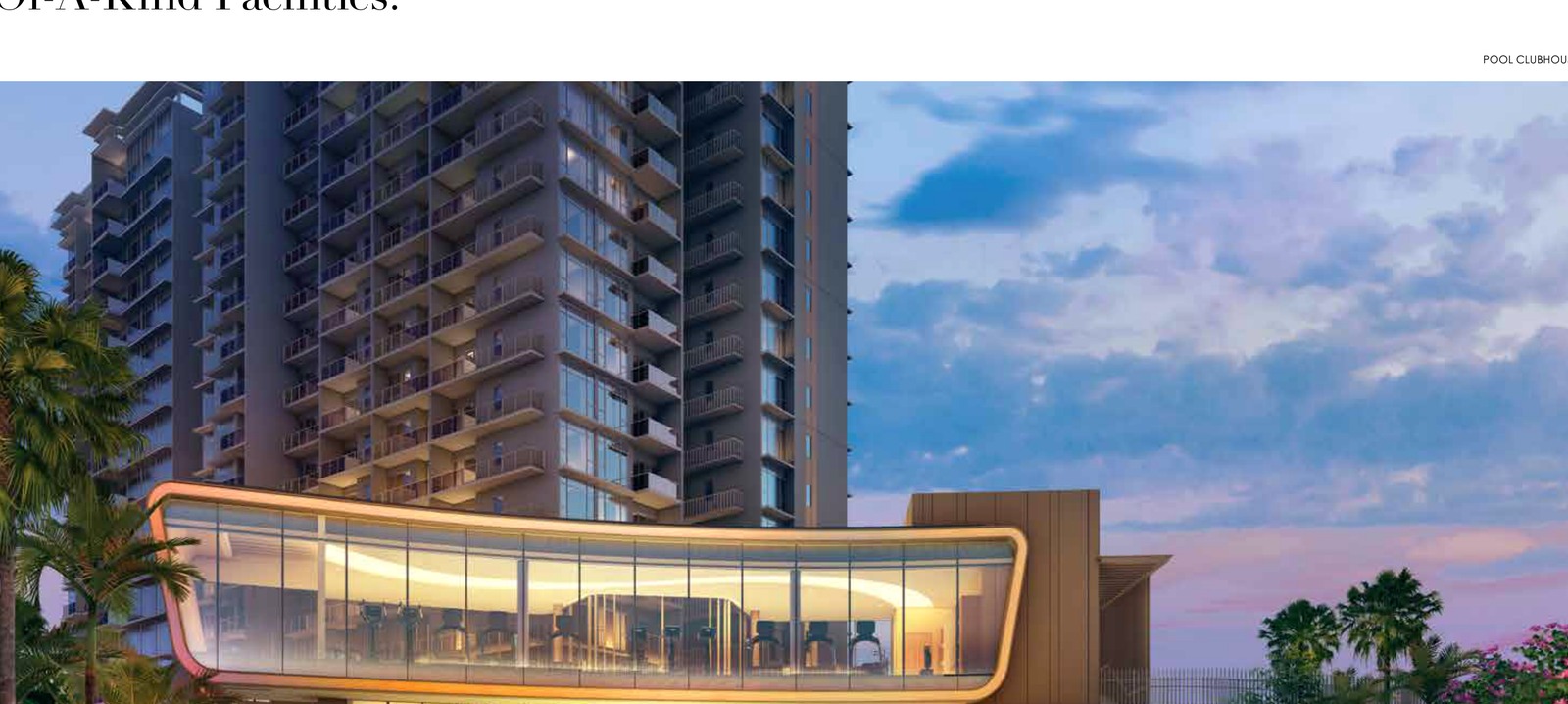
Pool DeckClubhouseGymLandscape CourtyardsFunction RoomsFamily FacilitiesArrival CourtSmart Home Provisions
Gallery
Developer and Consultant Team
Grand Dunman Pte Ltd (SingHaiyi Group and CSC Land Group)
Before committing, verify the latest developer licence, project account details and contractual documents with the appointed sales team.
Sustainability and Specifications
Specifications, finishes, smart-home provisions and sustainability ratings vary by unit. Refer to the latest developer brochure and sale documents for final approved details.
Project Timeline
Launch / Sales Phase
Live new-launch project page
TOP / Vacant Possession
31 December 2028 (expected vacant possession)
Legal Completion
31 December 2031 (expected legal completion)
Project Factsheet
A shareable 2-page PDF snapshot of everything on this page — bring it to viewings, forward it to family.
Grand Dunman Pte Ltd (SingHaiyi Group and CSC Land Group)
How many units are there?
1,008 residential units
What is the current from-price?
Available units start from S$1.412M based on the public price list updated 19 Mar 2026. Confirm stack-specific pricing, discounts and availability before shortlisting.
Ready to see Grand Dunman in person?
Request current availability, developer pricing, showflat slots and financing checks.
Disclaimer: Prices, availability, areas, specifications and timelines may change without notice. Buyers should verify all details with the developer-appointed sales team and relevant authorities before committing.
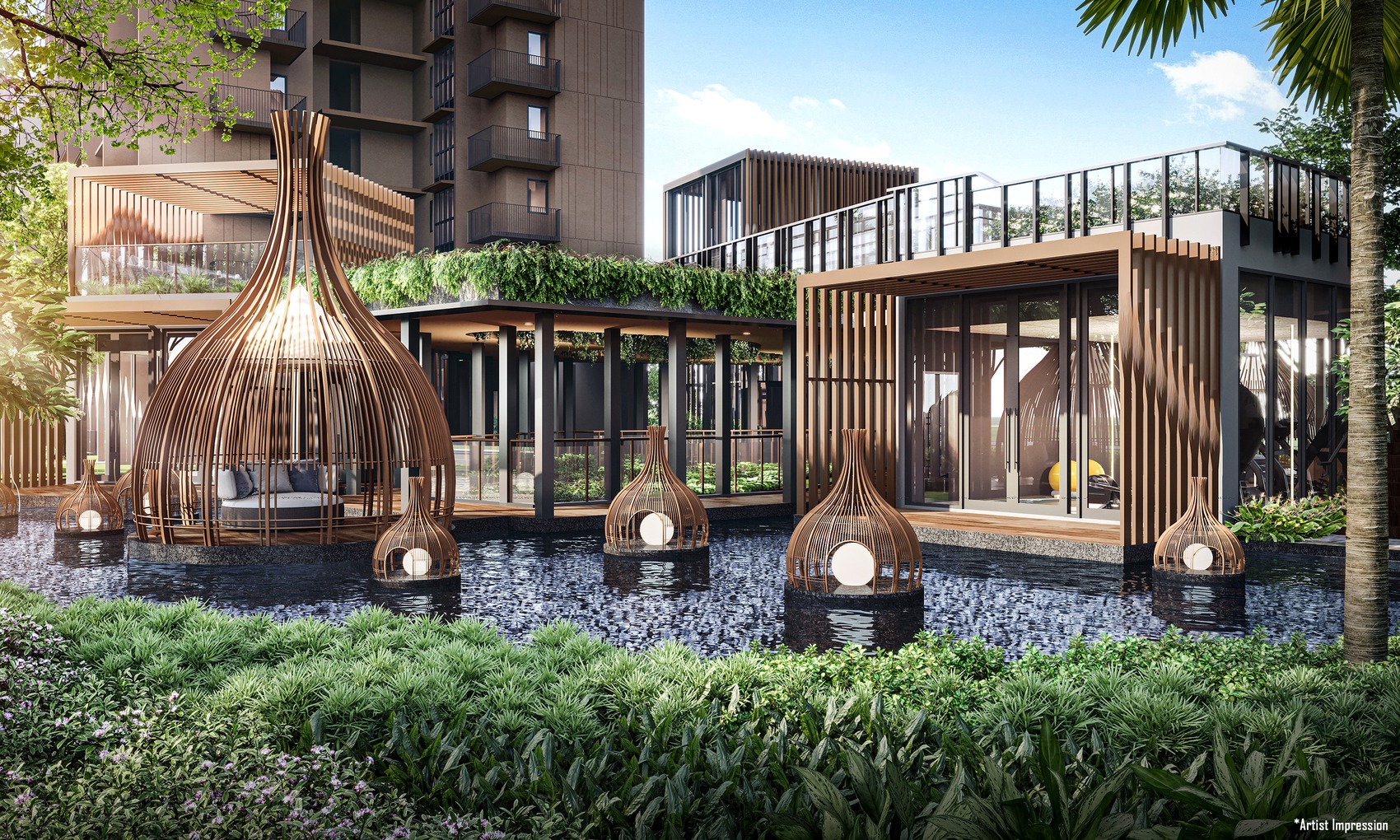
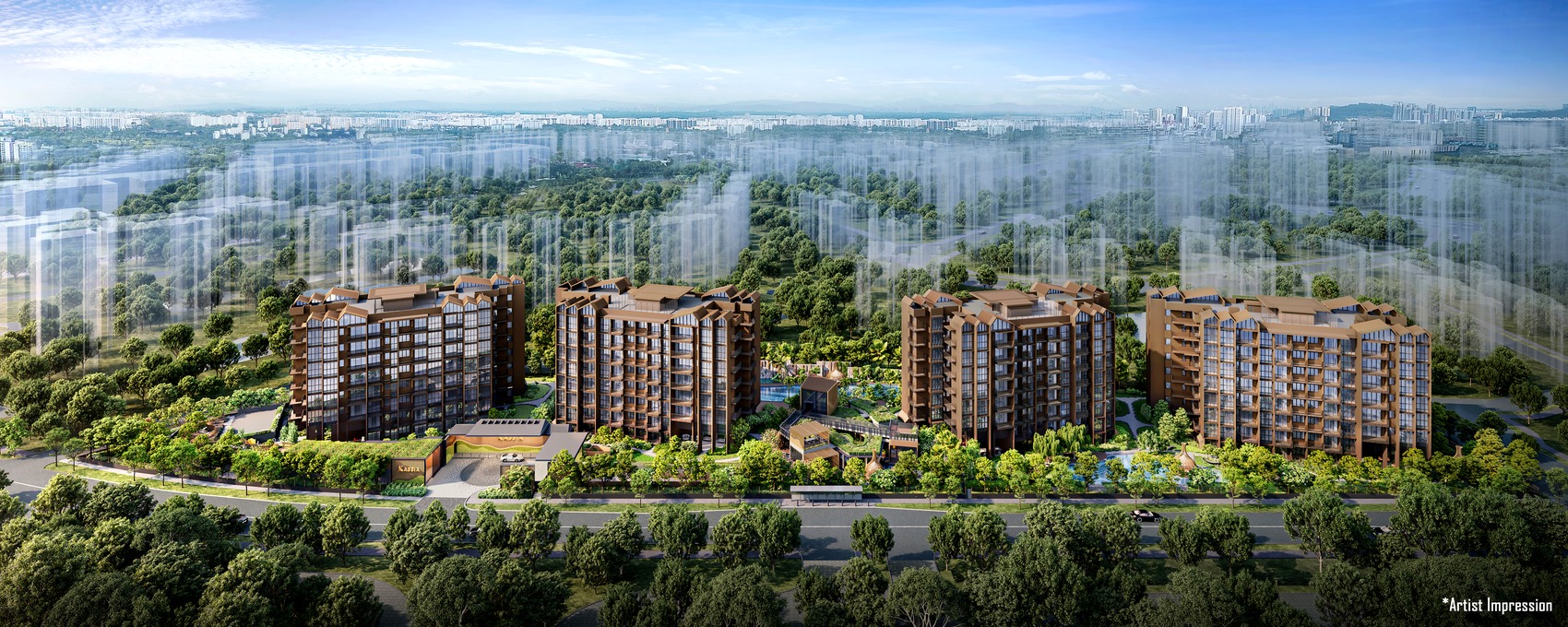
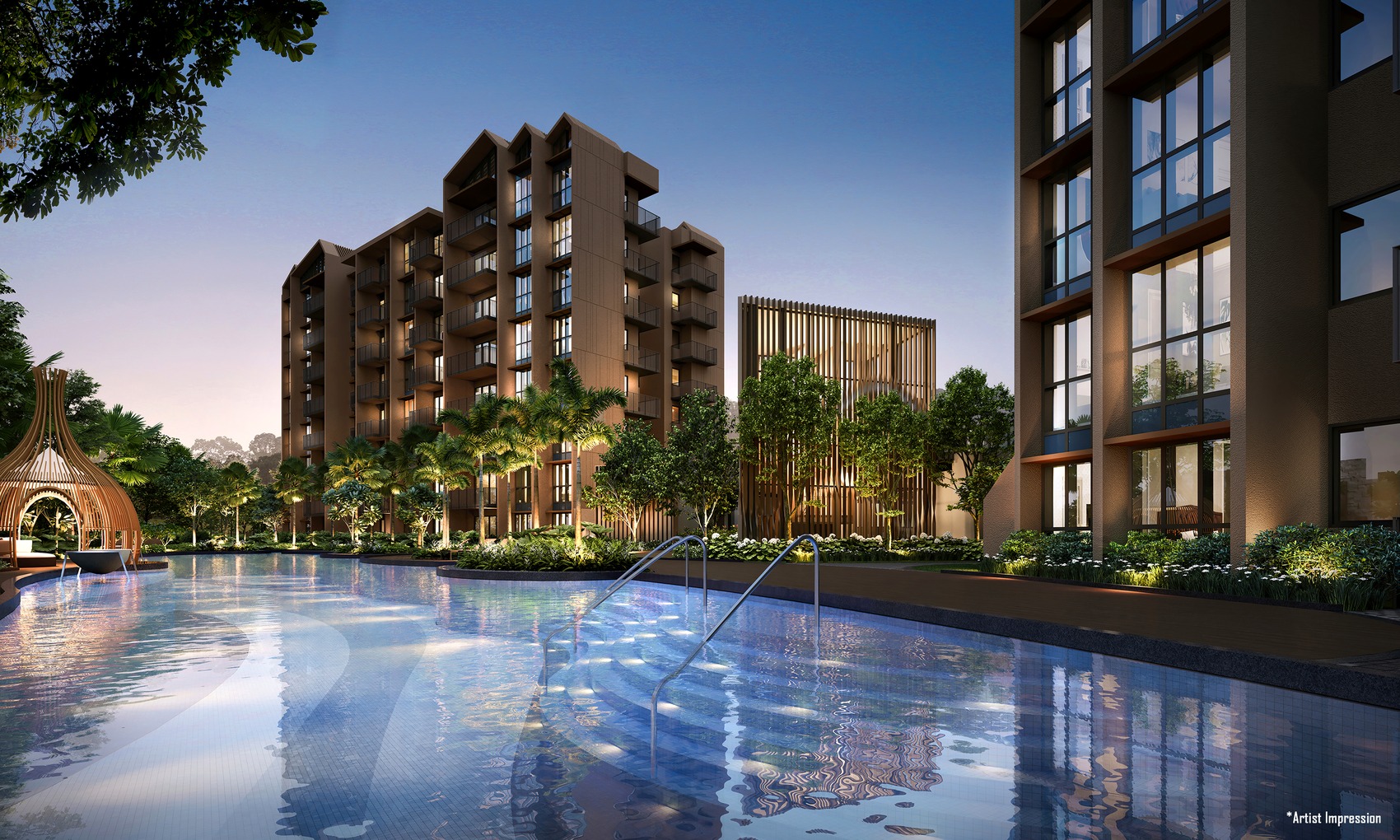
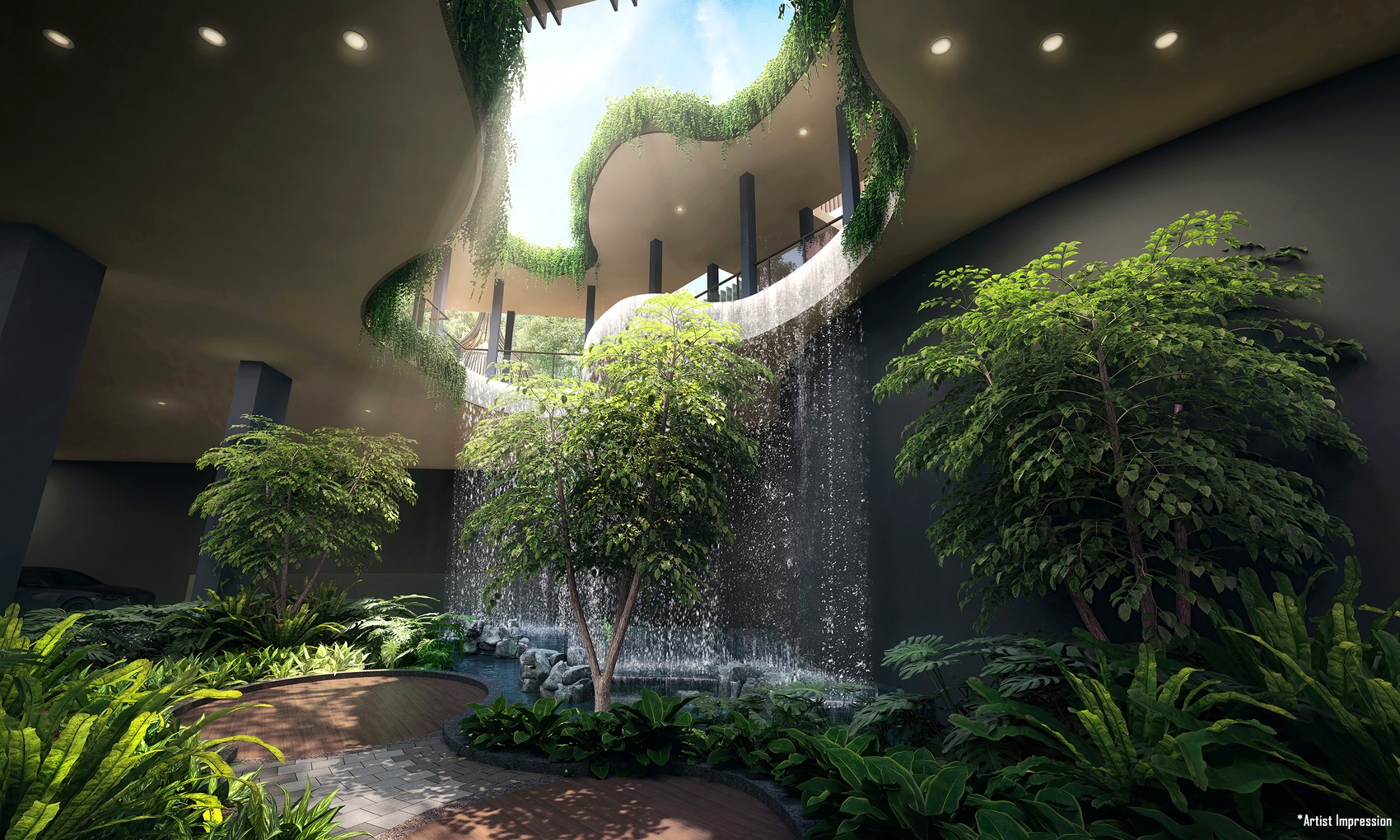
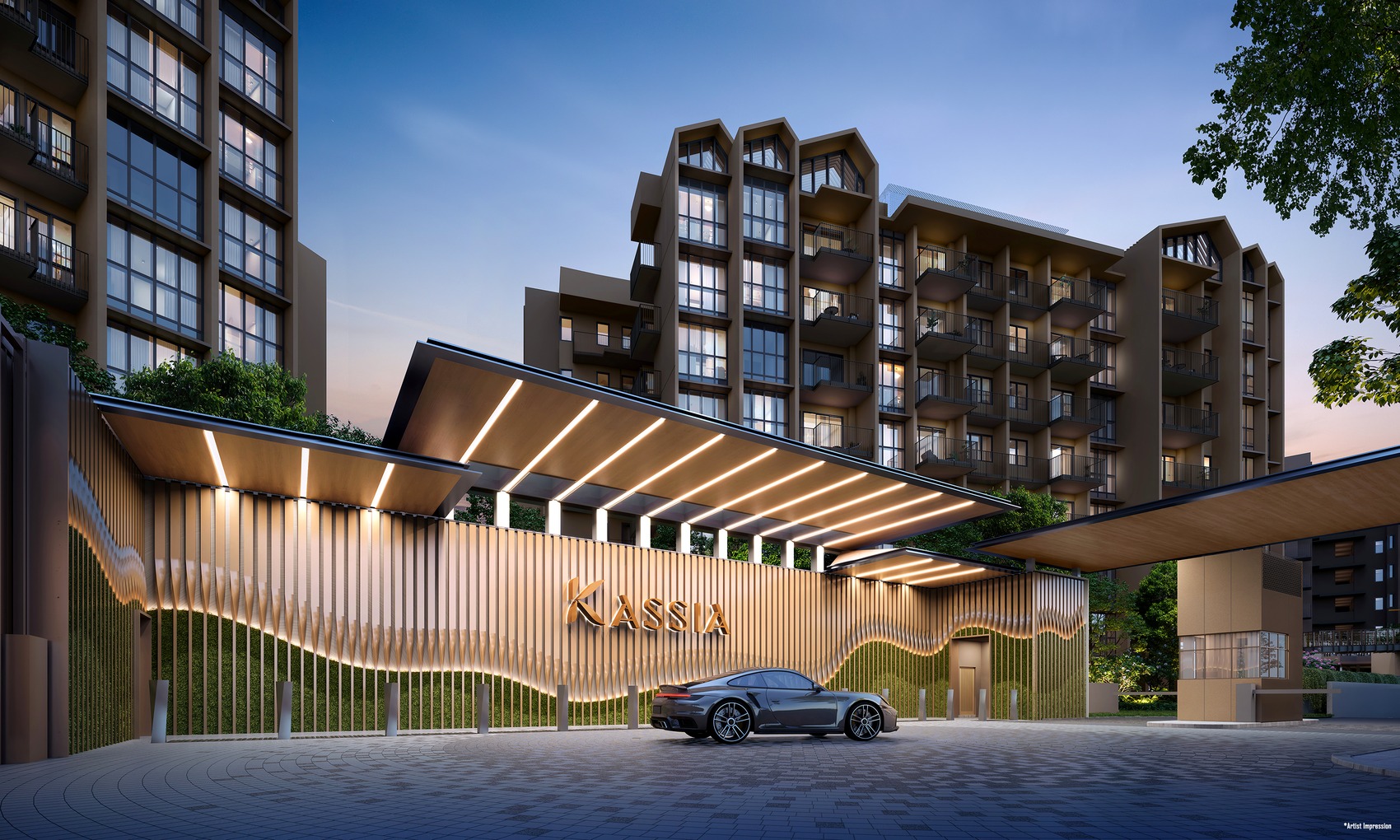
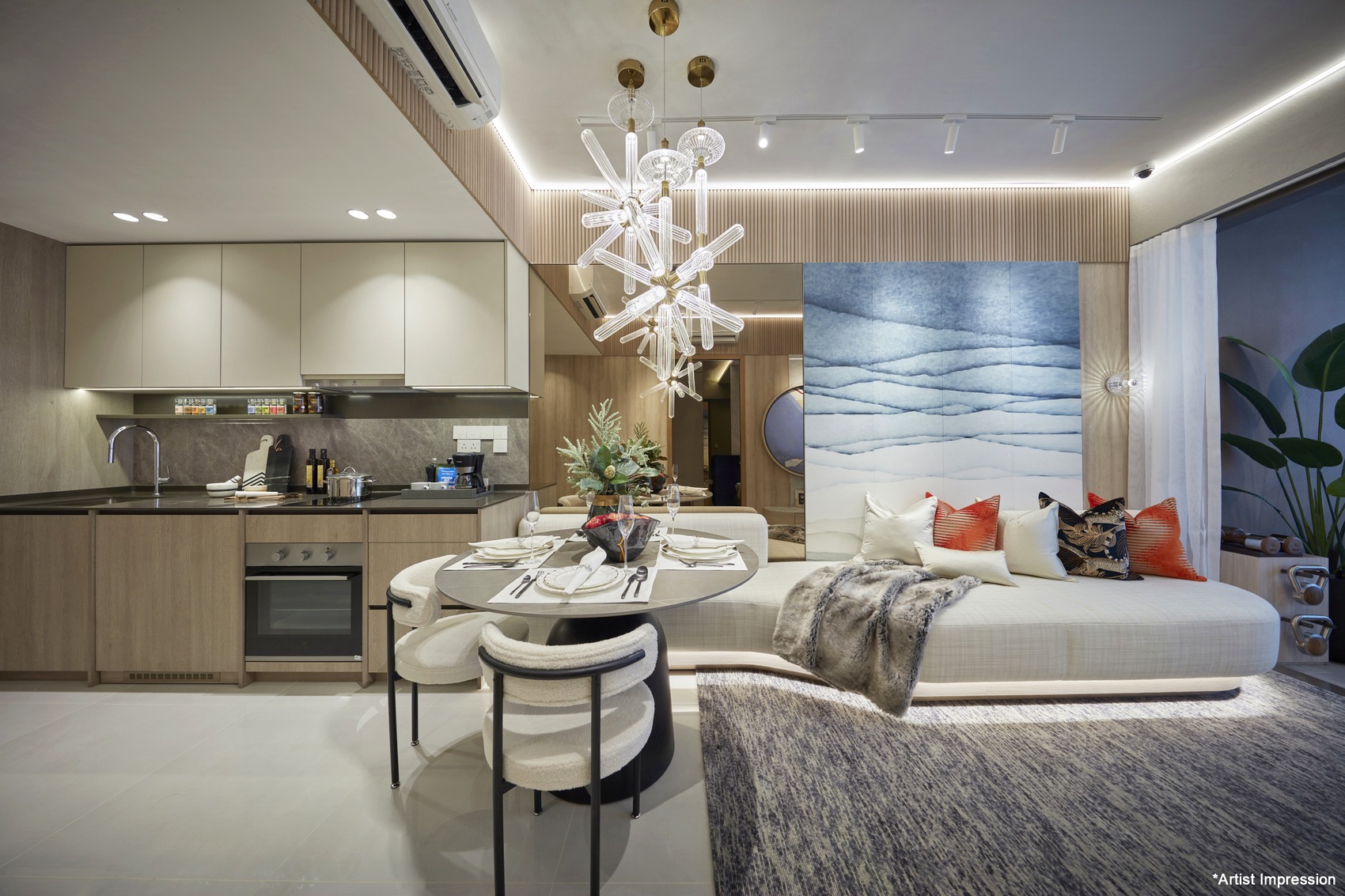
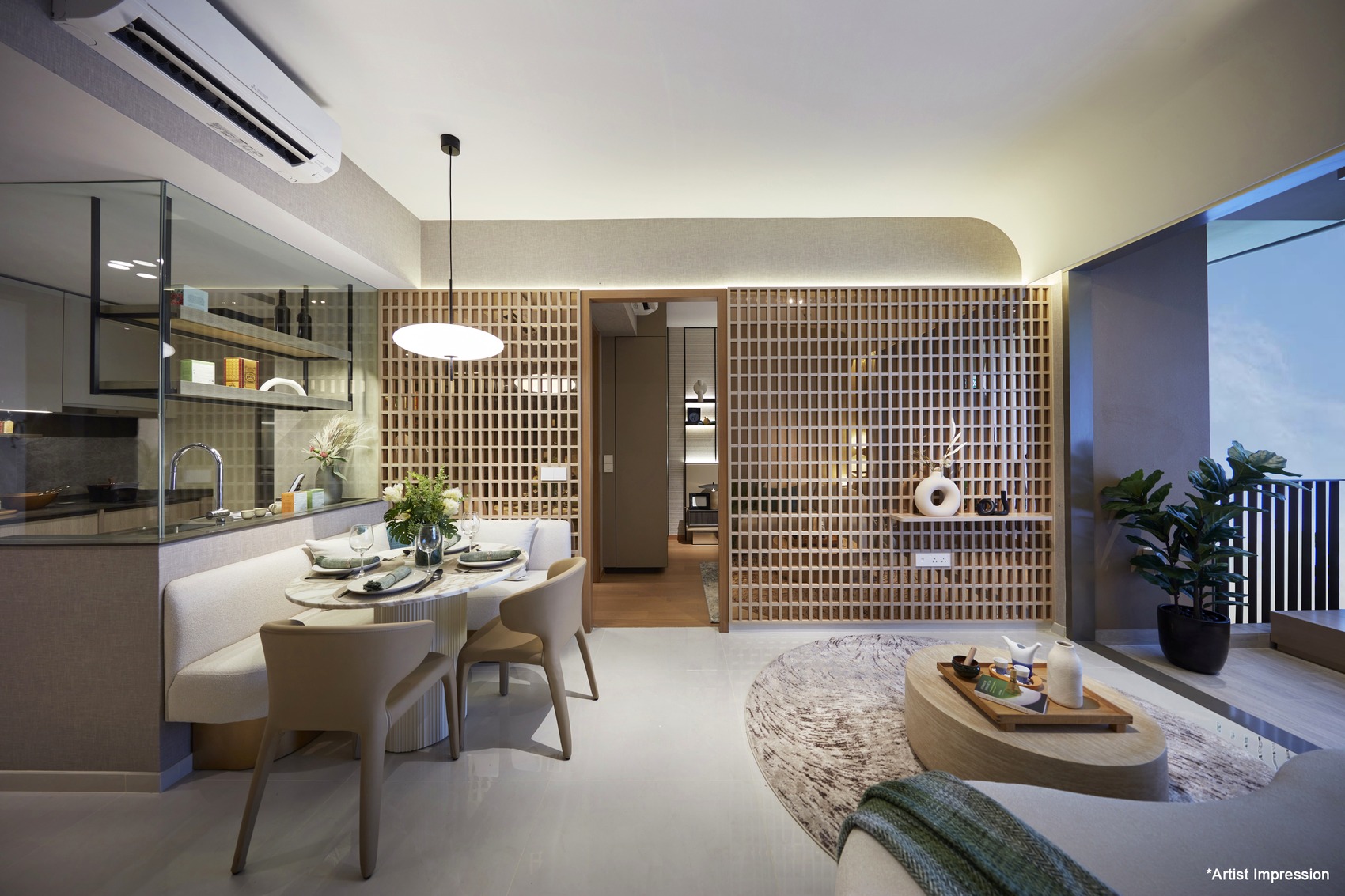
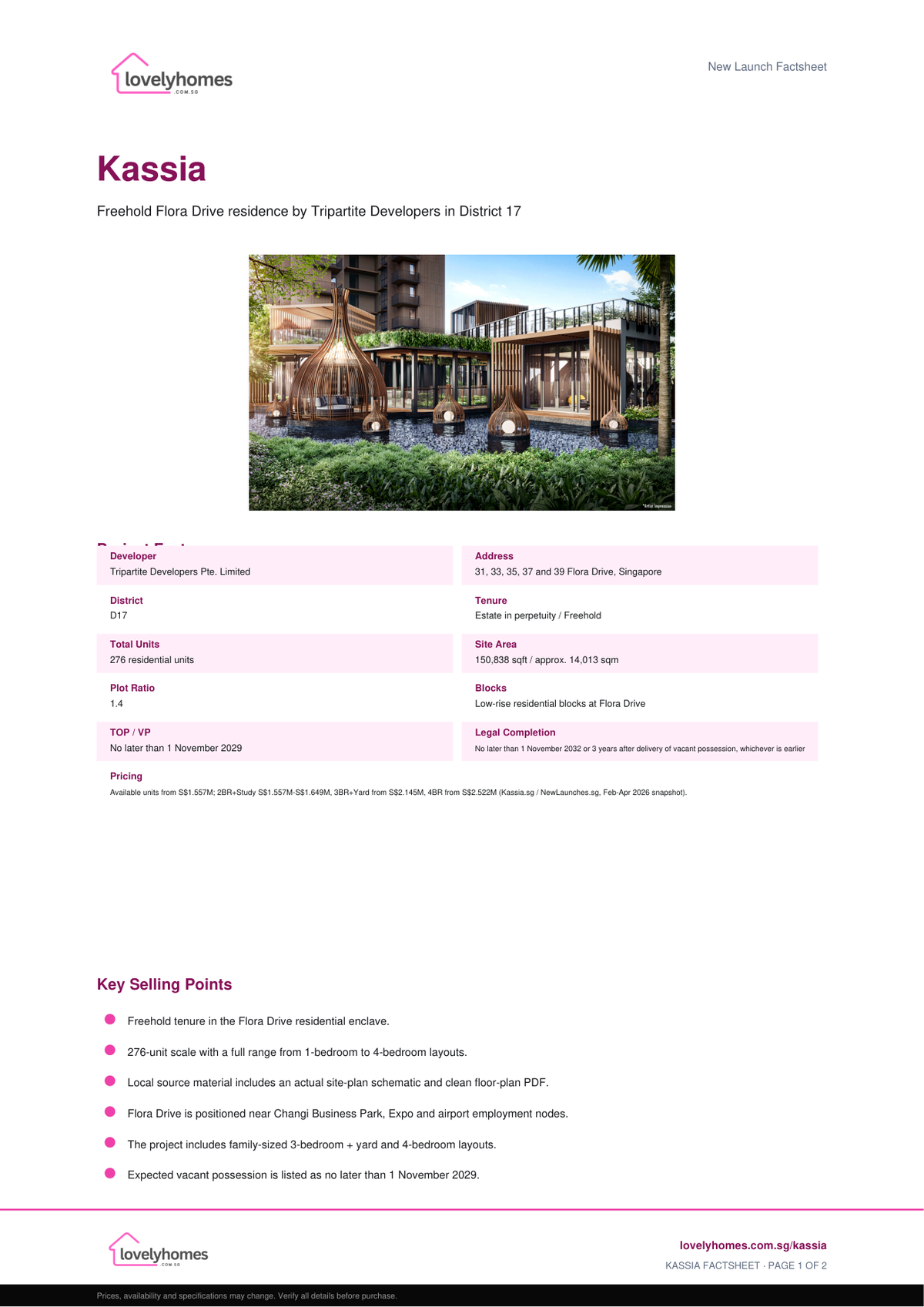
Kassia is a 276-unit freehold condominium at Flora Drive, planned as a low-rise residential community with a full unit range from 1-bedroom homes to 4-bedroom family layouts.
01 · Location
D17 Address
31, 33, 35, 37 and 39 Flora Drive, Singapore
02 · Scale
276 residential units
Low-rise residential blocks at Flora Drive
03 · Pricing
From S$1.557M
Available units from S$1.557M; 2BR+Study S$1.557M-S$1.649M, 3BR+Yard from S$2.145M, 4BR from S$2.522M (Kassia.sg / NewLaunches.sg, Feb-Apr 2026 snapshot).
Project At-a-Glance
Project Name
Kassia
Address
31, 33, 35, 37 and 39 Flora Drive, Singapore
District
D17
Tenure
Estate in perpetuity / Freehold
Developer
Tripartite Developers Pte. Limited
Total Units
276 residential units
Site Area
150,838 sqft / approx. 14,013 sqm
Plot Ratio
1.4
Blocks
Low-rise residential blocks at Flora Drive
Expected TOP
No later than 1 November 2029
Legal Completion
No later than 1 November 2032 or 3 years after delivery of vacant possession, whichever is earlier
Current Price
Available units from S$1.557M; 2BR+Study S$1.557M-S$1.649M, 3BR+Yard from S$2.145M, 4BR from S$2.522M (Kassia.sg / NewLaunches.sg, Feb-Apr 2026 snapshot).
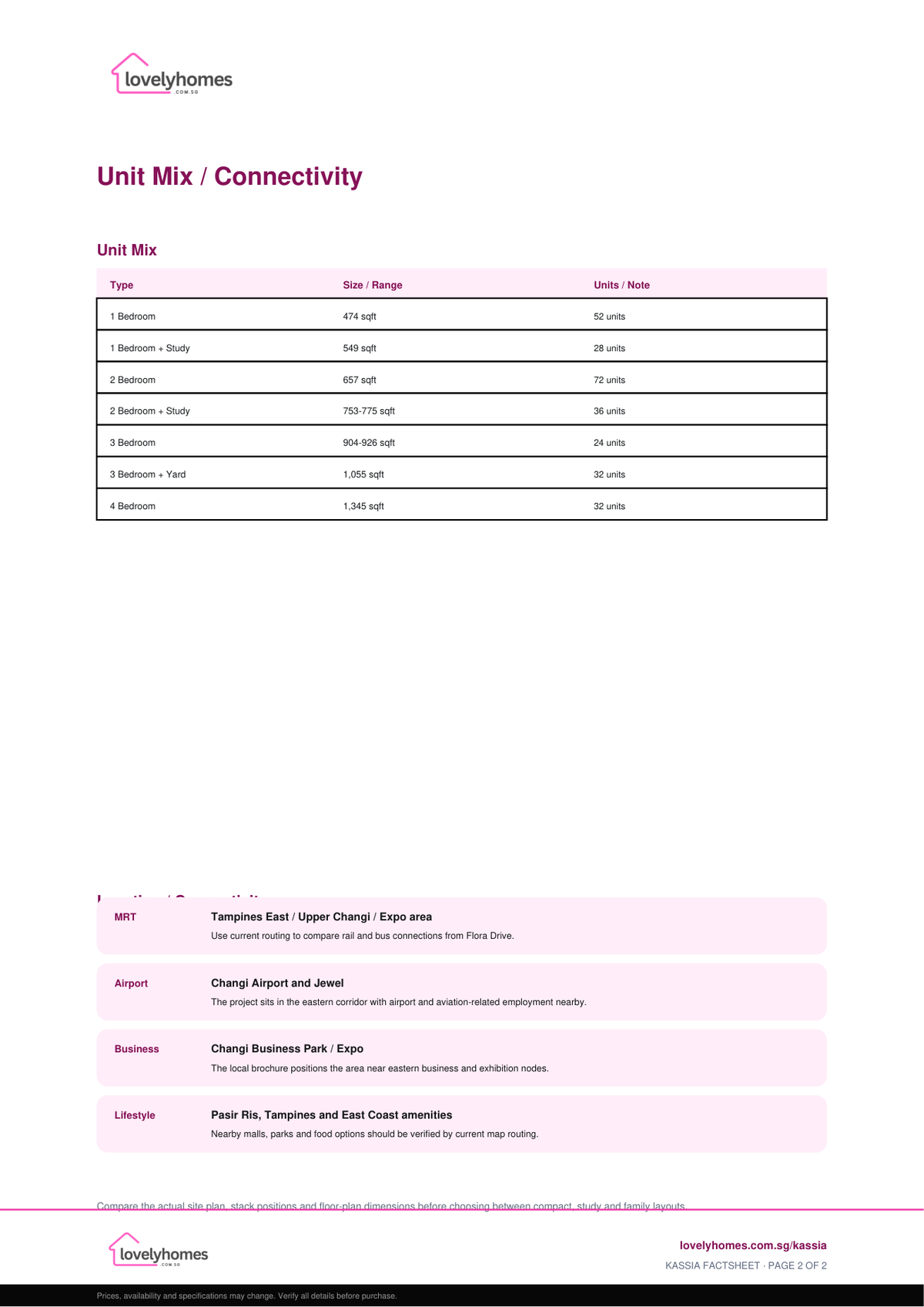
Unit Mix and Sizes
Bedroom Type
Size (sqft)
Units
% of Total
1 Bedroom
474 sqft
52 units
18.8%
1 Bedroom + Study
549 sqft
28 units
10.1%
2 Bedroom
657 sqft
72 units
26.1%
2 Bedroom + Study
753-775 sqft
36 units
13.0%
3 Bedroom
904-926 sqft
24 units
8.7%
3 Bedroom + Yard
1,055 sqft
32 units
11.6%
4 Bedroom
1,345 sqft
32 units
11.6%
Total
–
276 units
100%
Bedroom Type
Size / Range
Units
Current Indicative Price
1 Bedroom
474 sqft
52 units
Sold out in checked balance snapshot
1 Bedroom + Study
549 sqft
28 units
Sold out in checked balance snapshot
2 Bedroom
657 sqft
72 units
Sold out in checked balance snapshot
2 Bedroom + Study
753-775 sqft
36 units
From S$1.557M
3 Bedroom
904-926 sqft
24 units
Sold out in checked balance snapshot
3 Bedroom + Yard
1,055 sqft
32 units
From S$2.145M
4 Bedroom
1,345 sqft
32 units
From S$2.522M
Pricing note: Pricing cross-checked against Kassia.sg and NewLaunches.sg public balance-unit snapshots, accessed 29 Apr 2026. Prices and availability can change without notice.
Indicative Pricing
Available Entry
From S$1.557M
2BR + Study, 753-775 sqft
Family Units
From S$2.145M
3BR + Yard, 1,055 sqft
Largest Listed
From S$2.522M
4BR, 1,345 sqft
Available units from S$1.557M; 2BR+Study S$1.557M-S$1.649M, 3BR+Yard from S$2.145M, 4BR from S$2.522M (Kassia.sg / NewLaunches.sg, Feb-Apr 2026 snapshot).
Why Buyers Are Watching
1
Freehold tenure in the Flora Drive residential enclave.
2
276-unit scale with a full range from 1-bedroom to 4-bedroom layouts.
3
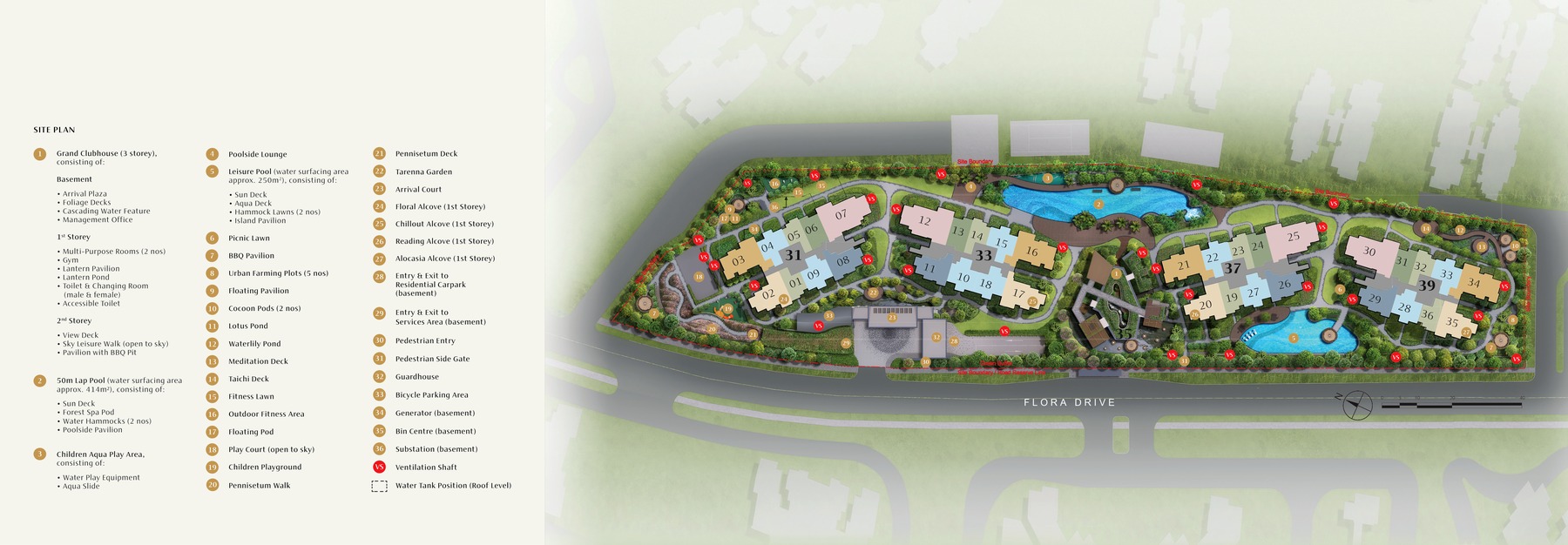
Local source material includes an actual site-plan schematic and clean floor-plan PDF.
4
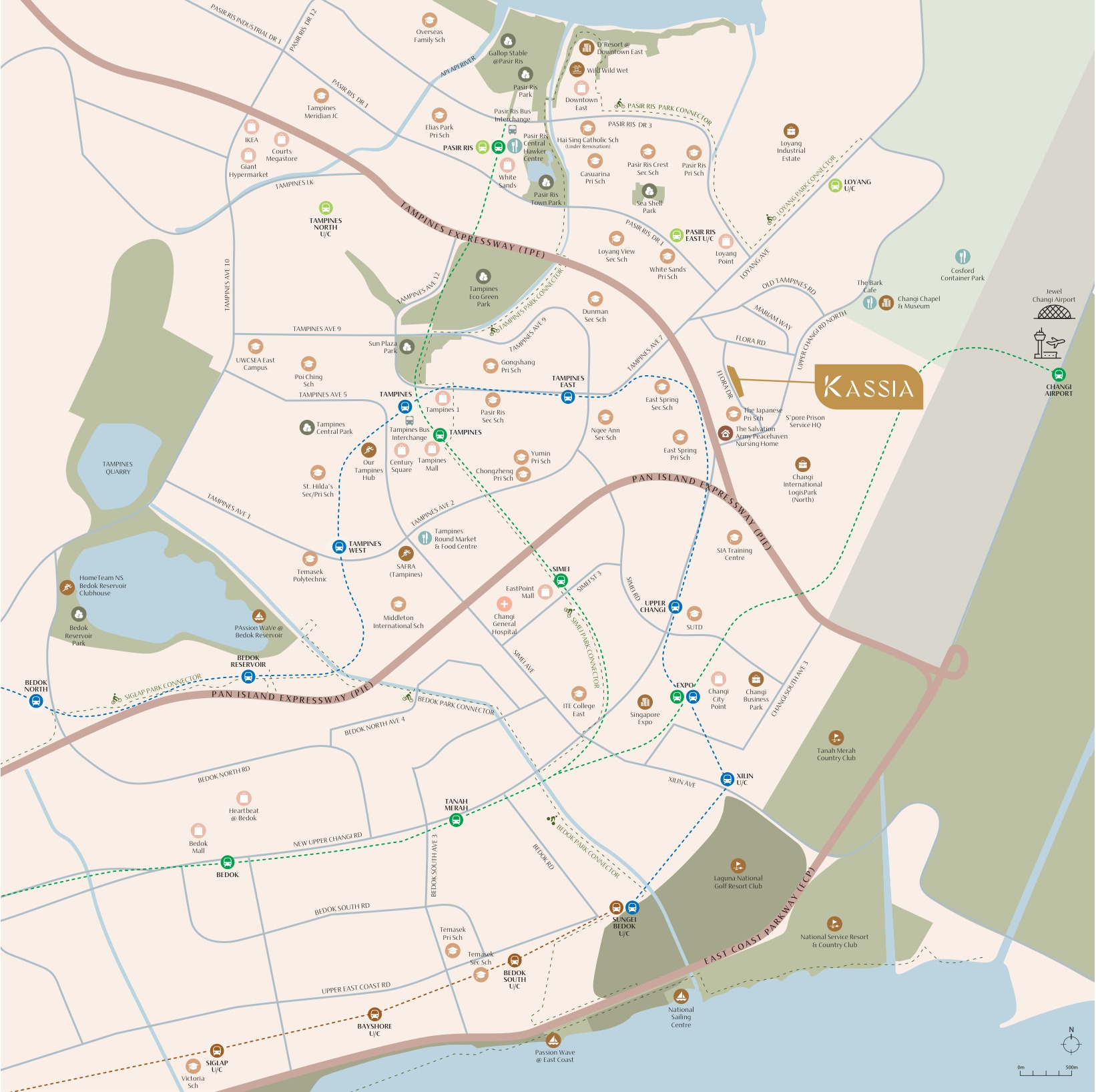
Flora Drive is positioned near Changi Business Park, Expo and airport employment nodes.
5
The project includes family-sized 3-bedroom + yard and 4-bedroom layouts.
6
Expected vacant possession is listed as no later than 1 November 2029.
Location and Connectivity
MRT
Tampines East / Upper Changi / Expo area
Use current routing to compare rail and bus connections from Flora Drive.
Airport
Changi Airport and Jewel
The project sits in the eastern corridor with airport and aviation-related employment nearby.
Business
Changi Business Park / Expo
The local brochure positions the area near eastern business and exhibition nodes.
Lifestyle
Pasir Ris, Tampines and East Coast amenities
Nearby malls, parks and food options should be verified by current map routing.
Schools Nearby
School Notes
East Spring Primary, Yumin Primary and other east-region schools should be verified with MOE SchoolFinder.
Verification
Confirm current home-school distance bands with OneMap and MOE SchoolFinder before enrolment planning.
Lifestyle and Amenities
Transport
Use the location map and latest routing to compare MRT, bus and road access.
Daily Amenities
Review malls, supermarkets, food centres and services around the site.
Recreation
Compare nearby parks, clubs and leisure nodes against your household routine.
Site Plan
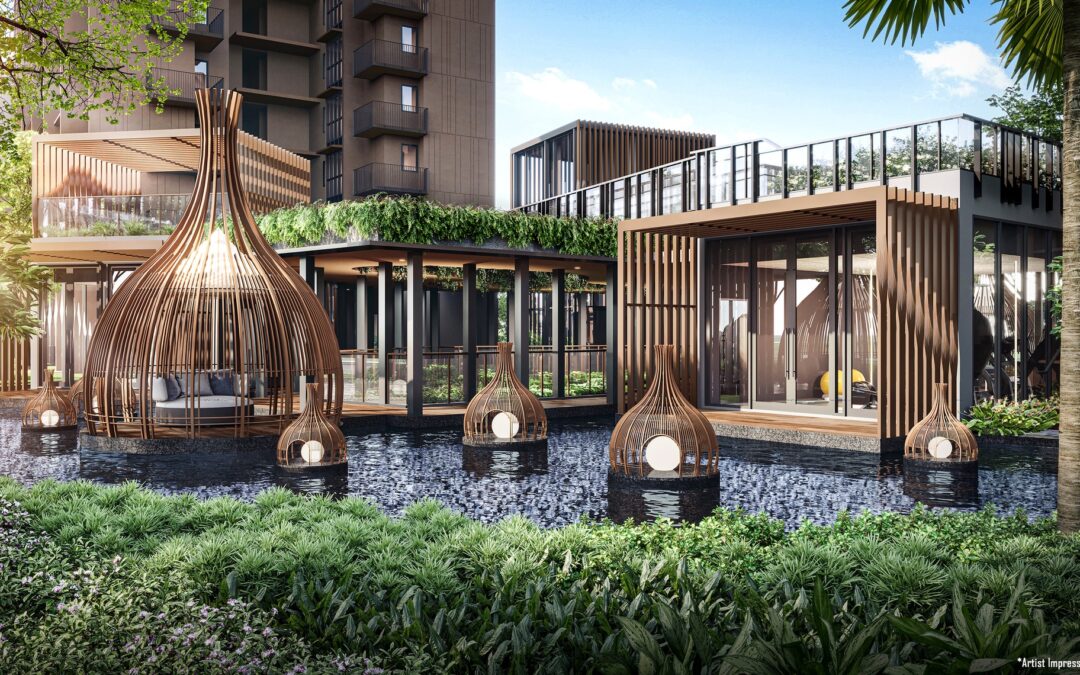
Site plan · indicative only · subject to developer confirmation
Floor Plans (Selected)
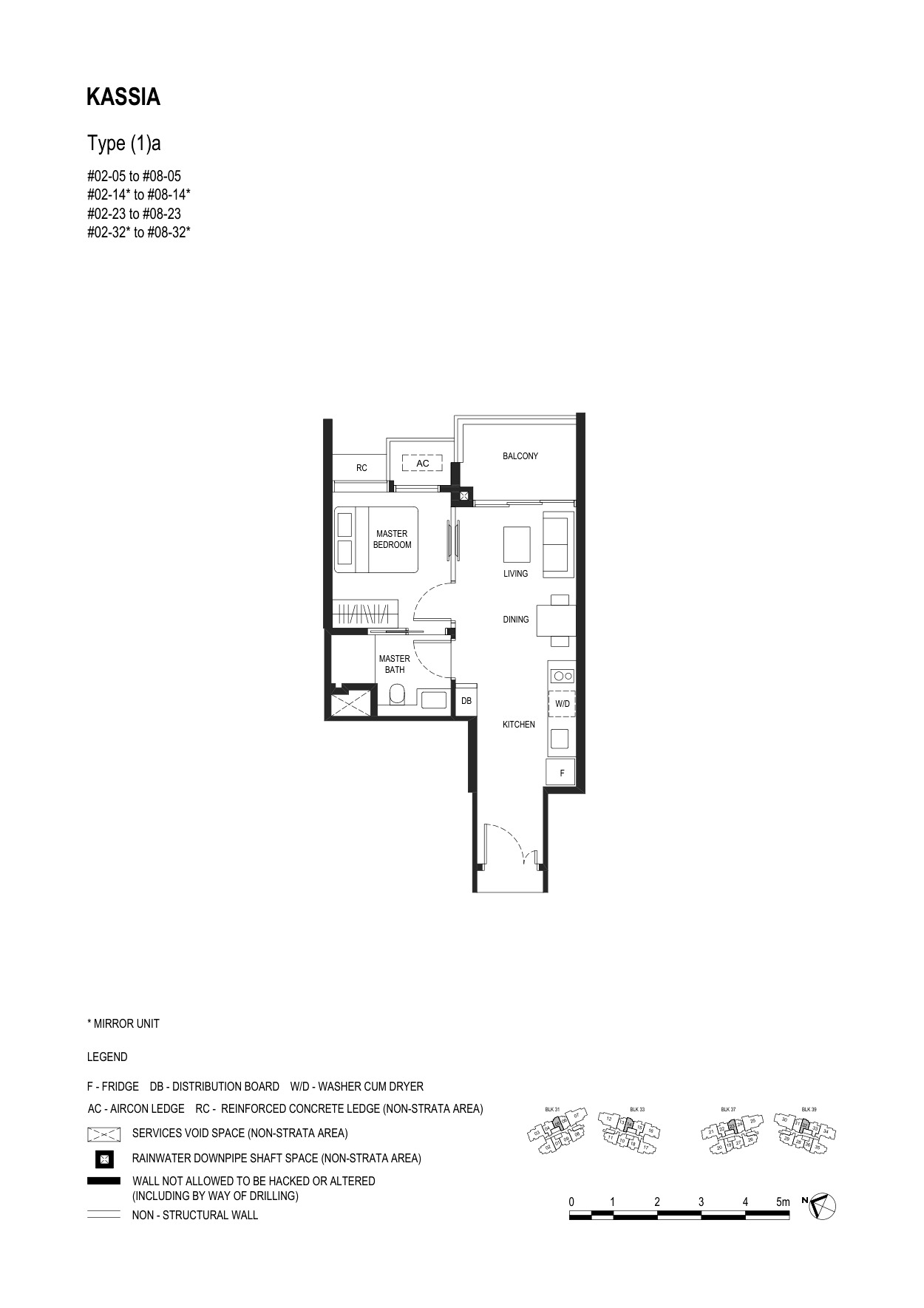
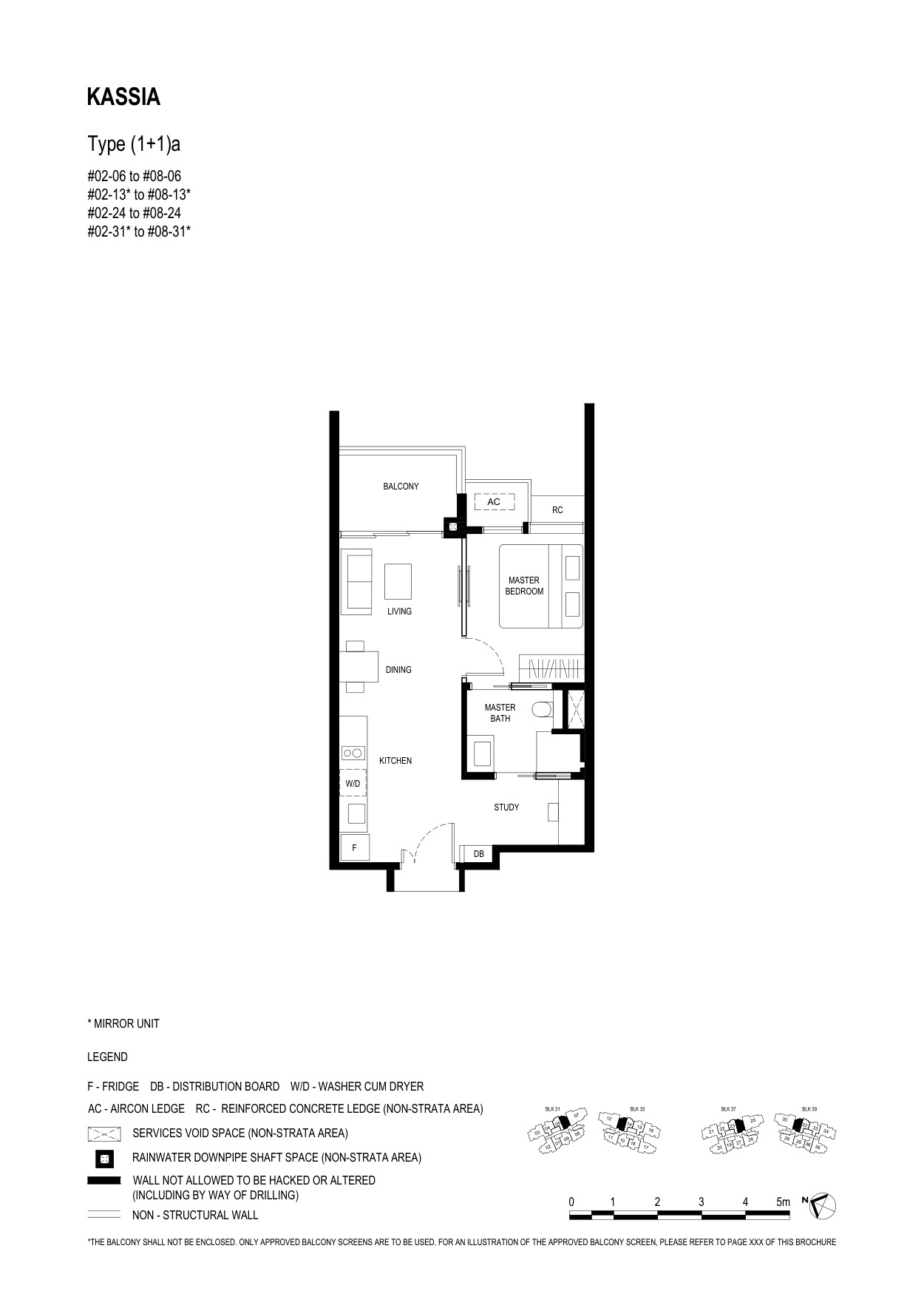
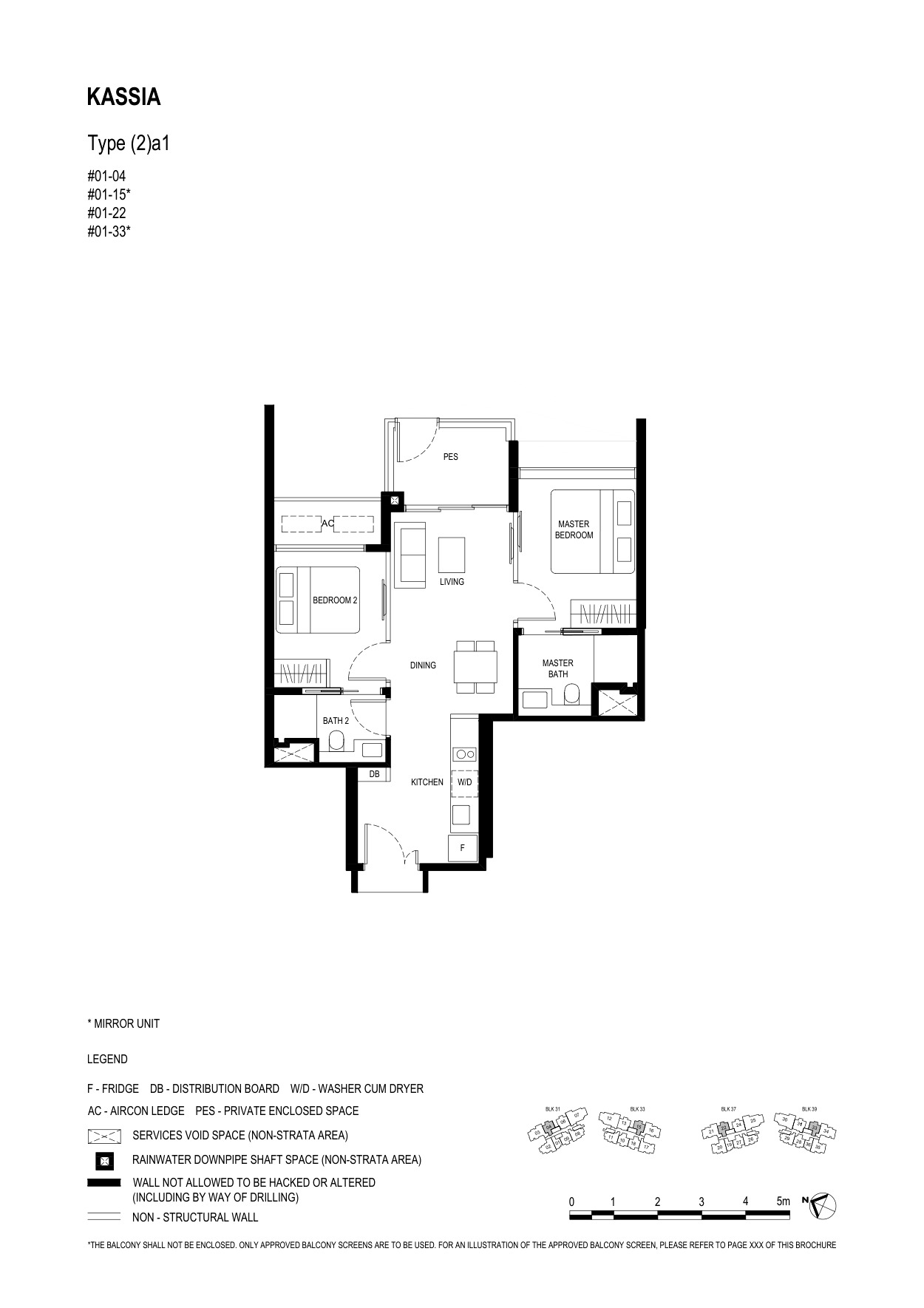
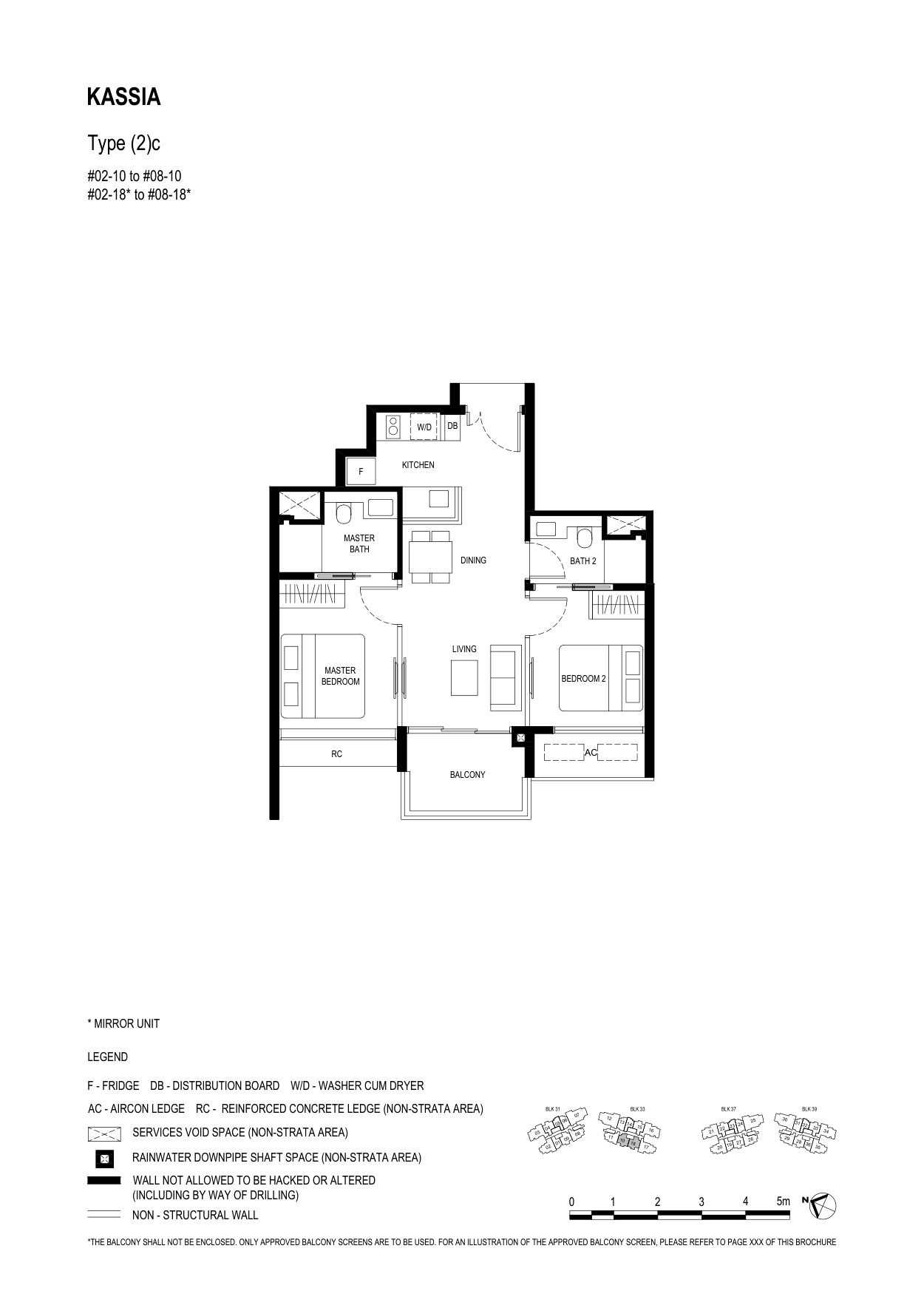
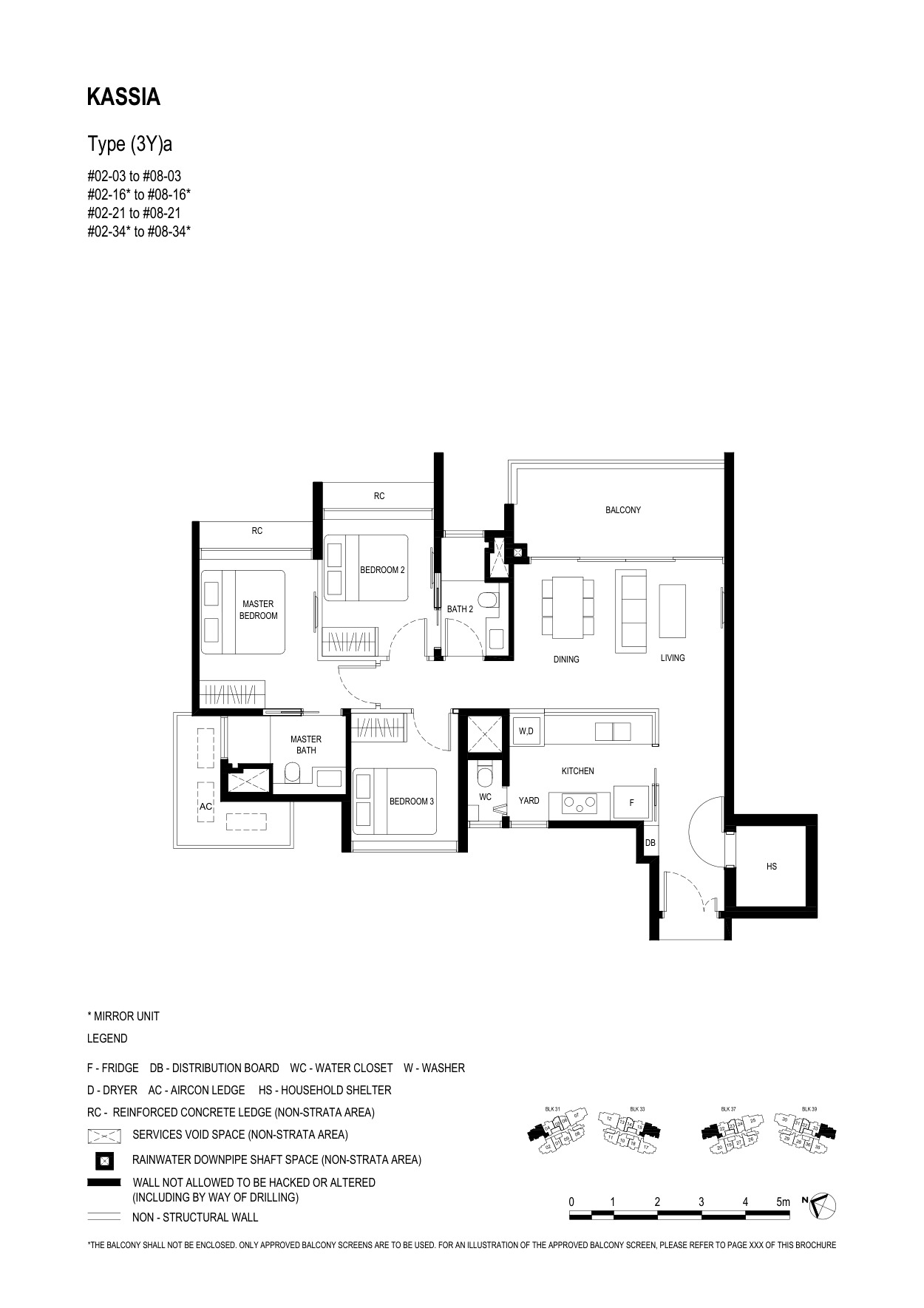
Representative plans from available bedroom types. Download the full PDF below for broader stack-by-stack layout review.
1 Bedroom Type (1)a
1 Bedroom + Study Type (1+1)
2 Bedroom Type (2)b
3 Bedroom Type (3)
4 Bedroom Type (4)
Full Floor Plans PDF
Selected layout pages and unit dimensions for buyer review.
Available units from S$1.557M; 2BR+Study S$1.557M-S$1.649M, 3BR+Yard from S$2.145M, 4BR from S$2.522M (Kassia.sg / NewLaunches.sg, Feb-Apr 2026 snapshot).
How many units are there?
276 residential units
Where can I get the floor plans?
Use the selected thumbnails above or download the full floor-plan PDF.
Ready to see Kassia in person?
Request latest prices, balance-unit stacks, floor plans and viewing slots.
Disclaimer. Prices, unit mix, specifications, site plans, floor plans and facility lists on this page are indicative only and subject to change by the developer without notice. Pricing snapshots are compiled from public balance-unit/price-list references checked on 29 April 2026. LovelyHomes.com.sg is not the project developer. Prospective buyers should consult an accredited salesperson and the developer’s official sales kit before committing to any purchase. Artist impressions are for illustrative purposes only and may differ from the final built product.