Freehold vs 99-Year Leasehold Singapore 2026: The Tenure Question Buyers Keep Asking
Freehold or 99-year leasehold? It is the single most-asked question on every Singapore condo viewing — and the most-misunderstood. The freehold premium is real but smaller than most buyers think. Lease decay is real but slower in the early years than buyers fear. Whether the freehold premium is worth paying depends almost entirely on your holding period, not your gut feeling.
This guide unpacks how Singapore property tenure actually works in 2026 — the four tenure types you will encounter, the maths behind Bala’s Curve (the lease-relativity table the Singapore Land Authority uses internally), the financing and CPF rules that bite as a lease shortens, and a worked 20-year hold comparison on a S$1.8 million condo in the same district. Where useful, we cross-link to the underlying frameworks at IRAS and CPF.
Quick Answer — Freehold vs 99-Year Leasehold at a glance
- Freehold premium in comparable locations: typically 10–20% over 99-year leasehold
- Bala’s Curve sets leasehold value at ~74.7% of freehold at 50 years remaining; ~60% at 30 years; ~49% at 20 years
- CPF restrictions kick in when remaining lease is below 60 years; cannot use CPF at all if lease falls below 30 years for the next buyer
- Bank financing tightens when remaining lease is below 40 years
- Lease must cover the youngest applicant’s age + 95 for full CPF usage
- Most new-launch condos and ECs are 99-year leasehold; freehold supply is fixed at ~5% of Singapore’s land area
- For holding periods under 20 years in good locations, leasehold often outperforms freehold on a return-on-capital basis
- For multi-generational holds (40+ years), the freehold premium pays for itself
What Are You Actually Buying? The Four Tenure Types
Singapore property comes with four main tenure types — and the difference between them is more legal than emotional. Tenure determines how long the State (or your descendants) recognises your interest in the land beneath your unit. Strata-Title in your condo gives you ownership of your apartment and a share in the land — for as long as the land tenure runs.

Freehold (Estate in Fee Simple)
You own the land in perpetuity, with the right to sell, lease or pass it to heirs without time limit. About 5% of Singapore’s land area is freehold — concentrated in the prime districts (D9, D10, D11) and pockets of D15. The State has not generally released new freehold land since 1965; almost all freehold supply today is from pre-1965 grants. This is why freehold supply is functionally fixed and cannot be created.
999-Year Leasehold
Issued mostly under pre-1900 colonial grants. Functionally identical to freehold for any sensible holding period — banks and valuers treat 999-year as a freehold equivalent. About 1% of Singapore’s land area sits on 999-year tenure. When you read a marketing brochure that says “freehold equivalent”, this is what is meant.
99-Year Leasehold
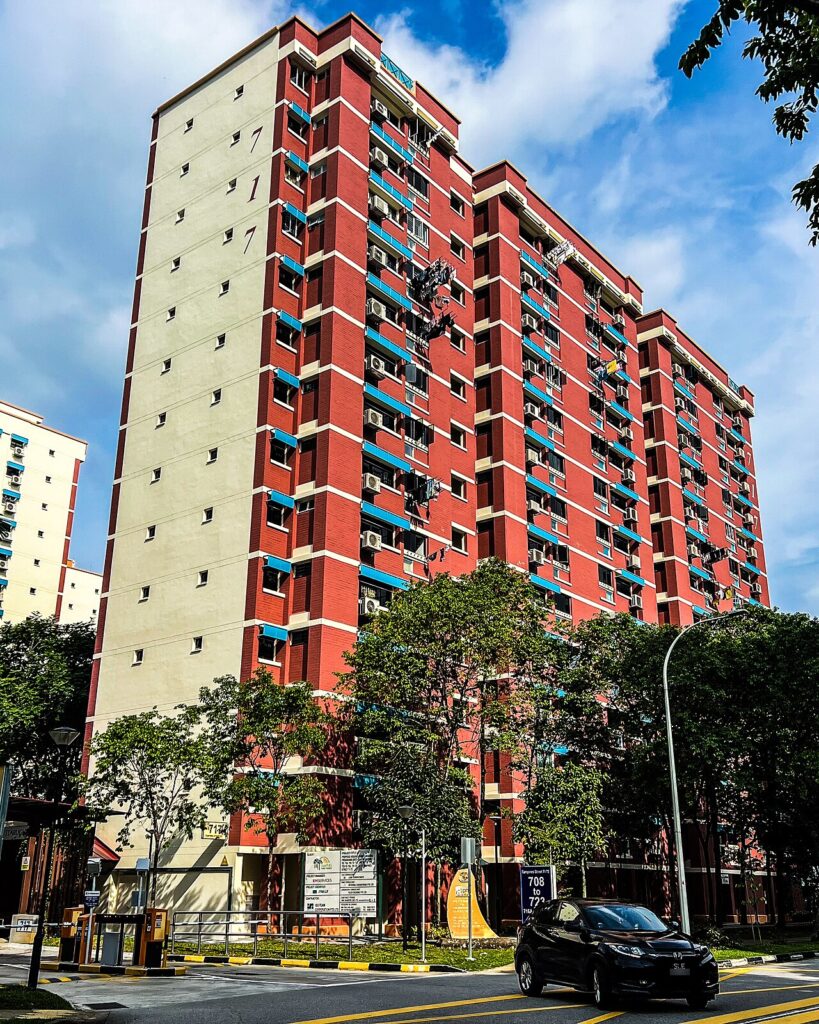
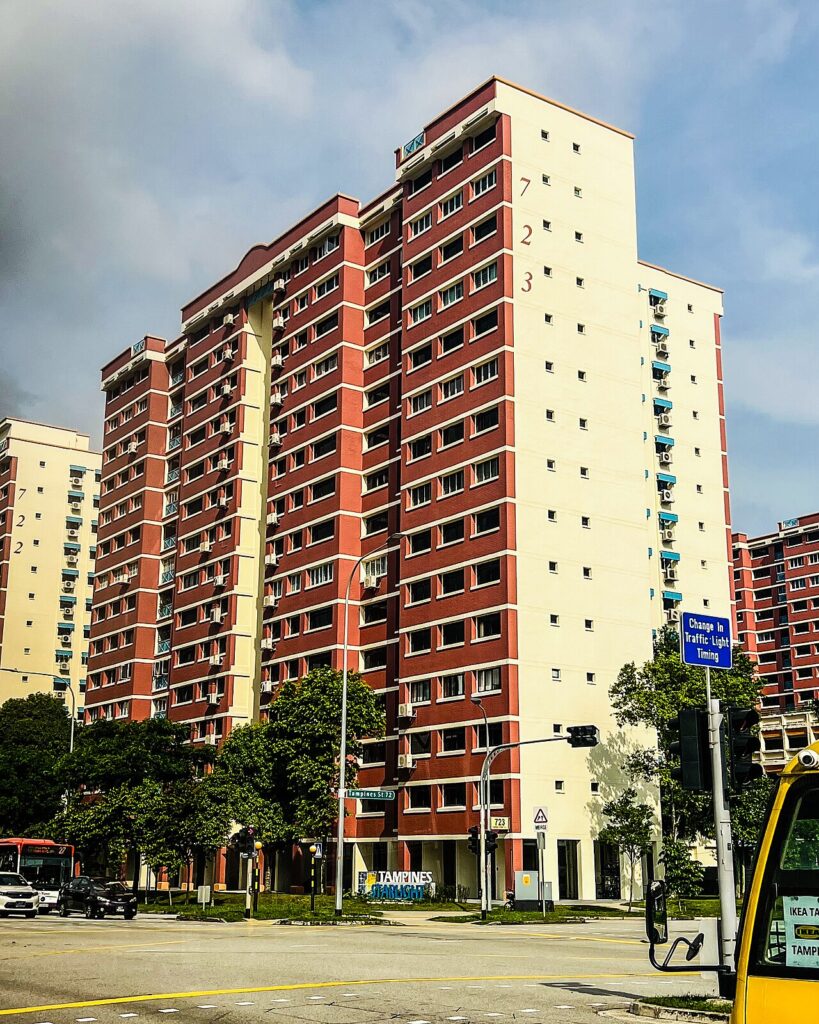
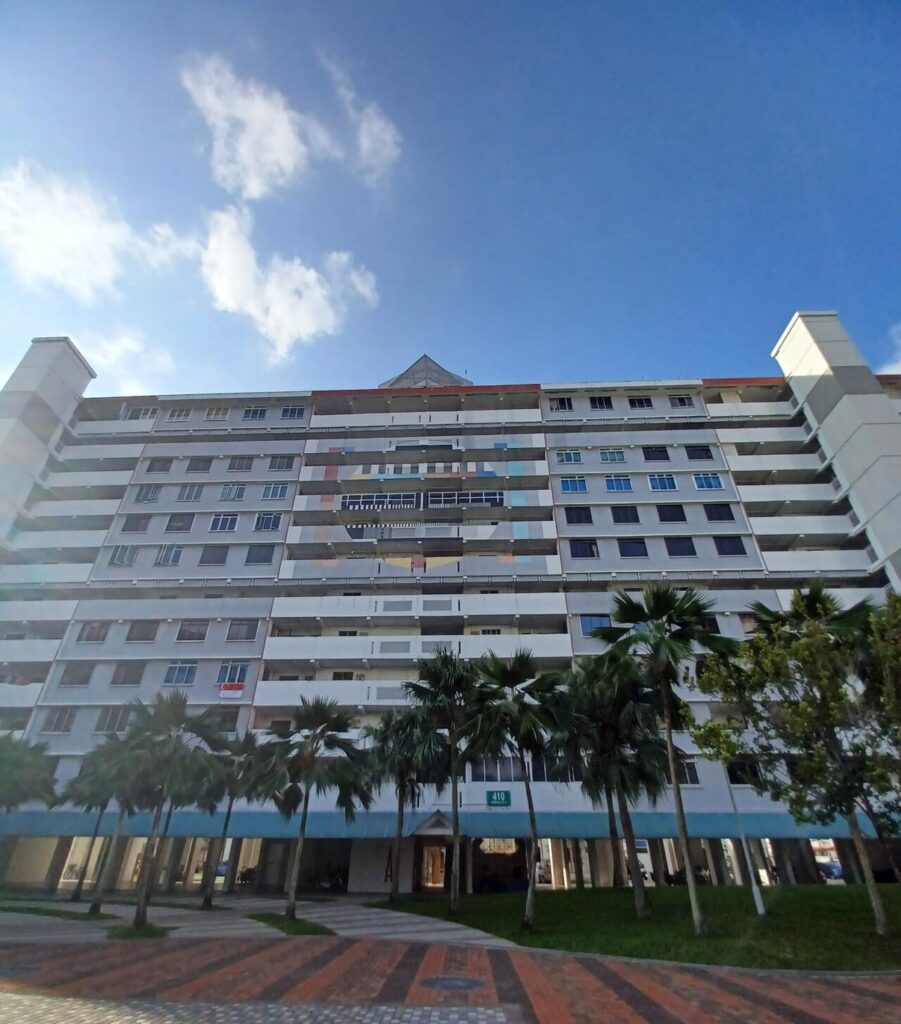
By far the most common tenure for new condos, Executive Condominiums, HDB flats, and almost every site released through the Government Land Sales (GLS) programme. The lease starts running on the date of issuance — which for a new launch is typically 1–2 years before TOP. Land reverts to the State at the end of the 99 years, with the building demolished or redeveloped. Subject to Bala’s Curve depreciation, which we cover next.
60-Year and 30-Year Leases
Unusual outside specific commercial or industrial sites. Some HDB shophouses sit on 60-year leases; certain industrial GLS plots are 30-year. CPF, bank-financing and resale rules are sharply restricted on these — not the tenure for a typical residential buyer.
Bala’s Curve — The Maths Behind Lease Decay
The single most important framework for understanding 99-year leasehold pricing is Bala’s Table (sometimes called Bala’s Curve, after Mr V K Balasubramaniam who developed it for the Singapore Land Authority in the 1990s). Bala’s Table sets out the value of a leasehold property as a percentage of its equivalent freehold value, indexed to the years remaining on the lease.

Two features of the curve matter most:
- The depreciation is non-linear. A fresh 99-year lease is worth roughly the same as freehold — the curve sits at 100%. After 50 years remaining (i.e. ~half-life), value is still ~74.7% of freehold — a far gentler decay than the simple linear “halfway = 50%” intuition. The steep portion of the curve falls in the last 30 years, when value drops from ~60% (30 years remaining) to ~17% (5 years remaining).
- Bala’s Table is the floor, not the market. Real-world transactions rarely match the table exactly. Local demand, building condition, en-bloc potential, and lease topping-up rumours can push prices well above (or below) the Bala line. The table is what SLA uses to price lease top-ups and to convert tenure for tax purposes — not what the open market necessarily pays.
For a buyer, the practical implication is that the first 30–40 years of a 99-year lease behave very like freehold. A 99-year condo at TOP today is essentially “freehold for two generations”. The depreciation problem is real for buyers planning to hold past Year 60 or thinking about en-bloc redevelopment as the exit strategy.
The CPF and Financing Cliffs — When Lease Decay Starts to Bite
Bala’s Curve is the underlying valuation framework, but two regulatory cliffs determine when lease decay actually starts to hurt resale liquidity:
The CPF Usage Rules
CPF can be used in full only if the remaining lease covers the youngest buyer’s age plus 95 years. For a 35-year-old buying a property today, the remaining lease must be at least 60 years for full CPF use; otherwise CPF usage is pro-rated and capped. If the remaining lease is below 30 years, CPF cannot be used at all by your next buyer — which collapses the buyer pool to cash buyers only.
The Bank Financing Rules
Bank loan tenure cannot exceed (lease remaining minus a buffer; typically 5 years). If the remaining lease is below 40 years, banks will quote shorter loan tenures, lower LTVs, and higher rates — and some banks will decline outright. When this happens, your effective buyer pool narrows further.
Together, these two cliffs mean that the Bala’s Curve depreciation is amplified in the secondary market by liquidity contraction. A 40-year-remaining lease may be worth 67% of freehold in pure Bala terms, but the smaller buyer pool means actual transactions can clear at a steeper discount. This is why the “sweet spot” for selling a 99-year leasehold is usually before Year 50, not after.
Worked Example — 20-Year Hold, Same District, Same Specs
Let’s strip out emotion and compare on the maths. Mr Tan is 40, a Singapore Citizen first-time buyer. He is choosing between two condos in the same District 15 micro-market: a brand-new 99-year leasehold at S$1,800,000 and a 999-year (freehold-equivalent) unit at S$2,070,000 — a 15% freehold premium, which is roughly the historic norm. He plans to hold 20 years.

| Cost / Outcome | 99-Year Leasehold | Freehold |
|---|---|---|
| Year 0 purchase price | S$1,800,000 | S$2,070,000 |
| Year 0 BSD | S$56,600 | S$67,400 |
| Year 0 ABSD (1st home, SC) | S$0 | S$0 |
| Year 0 conveyancing | S$3,500 | S$3,500 |
| Total upfront outlay | S$1,860,100 | S$2,140,900 |
| Year 20 sale price (assume 2.0% pa district appreciation, freehold; leasehold capped at Yr 79 Bala factor ~92% of freehold) | S$2,520,000 | S$2,950,000 |
| Capital gain | S$720,000 (40%) | S$880,000 (43%) |
| Effective annual return (capital only) | ~1.7% pa | ~1.8% pa |
| Return on incremental S$280,800 | ~3.4% pa — the marginal freehold premium implies a ~3.4% annualised return on the extra capital tied up | |
The headline finding: in this worked example, the freehold buyer earns a ~3.4% annualised return on the extra S$280,800 tied up in the freehold premium — modest, and below typical bond returns. For a 20-year hold, the leasehold often comes out marginally ahead on a return-on-capital basis, especially if the freed-up capital can earn 4–5% in conservative investments.
Where the maths flips is at longer holding periods. Repeat the calculation across 40 years — with the leasehold now at Yr 59 remaining (~78% Bala) versus a still-perpetual freehold — and the freehold premium starts compounding strongly. By Year 50 of holding, the freehold has typically earned a meaningful spread.
When Freehold Wins, When Leasehold Wins
The framework most experienced Singapore buyers use is to match tenure to holding period and exit strategy:
- Hold under 15 years: 99-year leasehold typically wins on return-on-capital. Lease decay is too gentle in this window to matter, and the freed-up capital can earn elsewhere. This is the typical short-to-medium hold investor case.
- Hold 15–30 years: A toss-up. Outcome turns on (a) the actual freehold premium paid and (b) the district’s underlying appreciation rate. In high-growth districts, leasehold often wins; in slow-growth districts, the freehold premium does its job.
- Hold 30+ years or multi-generational: Freehold wins. Lease decay enters its accelerating zone, and the freehold becomes a meaningfully stronger compounding asset. This is the family-legacy or trust-held case.
- Buying for own-stay, expecting to en-bloc: Leasehold can win if the project has clear redevelopment upside (high plot ratio uplift, supportive URA zoning, agreeable owner mix). The collective sale becomes the “lease top-up” you couldn’t buy directly.
- Buying for rental yield: Leasehold typically yields more — lower entry price for the same rent. Yield-focused investors generally prefer leasehold.
For a deeper read on holding-period maths and exit strategies, see our En-Bloc Sale Process Guide and our Seller’s Stamp Duty Singapore 2026 article, which together set out the cost of an early exit on either tenure.
What About Lease Top-Ups?
Owners and developers occasionally apply to SLA to top up a depleting lease — restoring it to a fresh 99 years for a payment based on the difference between the current and the topped-up value. The cost is calculated against Bala’s Table. In practice, lease top-ups are most often initiated as part of an en-bloc / collective sale, where the developer negotiates the top-up alongside the redevelopment approval.
An individual owner cannot reliably plan for a private top-up. The Government’s VERS (Voluntary Early Redevelopment Scheme), announced in 2018 for selected HDB precincts, is a separate framework from private leasehold top-ups and applies only to public-housing estates. There is no equivalent statutory framework for private leasehold properties — which means private leasehold owners cannot count on lease top-ups as part of their long-term plan.
What This Means for You
If you take only five things away from this guide, take these:
- Match tenure to holding period. Under 15 years, leasehold typically wins. Over 30 years, freehold typically wins. In between, run the maths on the actual freehold premium versus the capital-cost spread.
- Don’t pay more than ~15–20% premium for freehold. Above this, the maths almost never works for typical holding periods. Some new-launch freehold projects have asked for 25–30% premiums — treat those with caution.
- Watch the lease-remaining number when buying resale. 60 years is the CPF cliff for buyers in their late 30s. Below that, you start losing CPF eligibility for your next buyer — which compresses your exit price more than Bala’s Table would suggest.
- Check the lease commencement date carefully. A new-launch 99-year condo often has a lease that started 1–2 years before TOP, so a buyer at TOP only gets ~97–98 years remaining, not 99.
- If en-bloc is your exit strategy, leasehold can win. The collective-sale premium effectively converts the 99-year lease into a one-time cash payout that bypasses Bala’s Curve. But en-bloc success rates vary — do not assume your project will get there.
What Might Come Next
Three policy and market variables to watch in 2026–2027:
- Bala’s Table revision. SLA last refreshed Bala’s Table several years ago. A revision — especially one that flattens the curve or pushes the steep zone closer to lease end — would mark up secondary leasehold values across the board. There is no current signal of revision in 2026.
- Freehold premium compression. Several recent freehold launches have struggled to clear meaningful premiums over comparable leasehold launches in the same district. If this trend continues, the structural freehold premium may compress towards the 5–10% range, weakening the case for paying up.
- VERS or analogous private-lease scheme. If the Government extends a VERS-style framework to private leaseholds (an idea floated occasionally by industry figures), the long-tail risk of holding past Year 60 reduces sharply — and the freehold premium loses some of its insurance value.
Frequently Asked Questions
Is freehold always better than leasehold?
No. Freehold is structurally lower-risk for very long holds (30+ years) and multi-generational holds. For shorter holds (under 15 years), the capital tied up in the freehold premium often earns a lower return than the same capital deployed elsewhere. The right answer depends entirely on your holding period.
What happens at the end of a 99-year lease?
The land reverts to the State. Owners typically receive no compensation unless a private collective-sale or a public scheme (e.g. VERS for HDB) intervenes earlier. In practice, almost every 99-year property in Singapore exits via en-bloc or major redevelopment well before the lease expires — full lease expiry is rare for residential land.
Can CPF be used for any leasehold property?
Only if the remaining lease covers the youngest applicant’s age plus 95. For full CPF withdrawal limits to apply, the lease must run at least to that age. Where the lease is shorter, CPF usage is pro-rated. Below 30 years remaining, CPF cannot be used at all by the next buyer.
How is Bala’s Curve different from straight-line depreciation?
Straight-line depreciation would assume the leasehold loses 1/99 of its value every year. Bala’s Curve recognises that the early years of a long lease have negligible depreciation (because the buyer pool is large and time-to-expiry is far away), while the final 20–30 years see steep depreciation (because financing and CPF rules compress the buyer pool sharply). Bala’s Table is non-linear and far more accurate for real-world pricing.
Are HDB flats freehold or leasehold?
All HDB flats are 99-year leasehold. The lease starts when the block is completed and the title issued. By the time most BTO buyers move in, the lease typically has between 96 and 99 years remaining. HDB resale flats from the 1970s and 1980s have far less remaining lease — some now under 60 years — which is why CPF eligibility for older HDB resale is increasingly tight.
Does freehold matter for rental yield?
Not really. Tenants pay for liveability, location and amenities — not for tenure. Rental yield is therefore a function of the lower entry price, which favours leasehold. Yield-focused investors typically prefer leasehold because the same rent against a lower entry price gives a higher gross yield.
Can I top up a 99-year lease privately?
An individual owner cannot reliably do so. SLA does process lease top-up applications, but they are typically in the context of an en-bloc / collective sale where the developer pays for the top-up as part of the redevelopment approval. A private owner asking SLA to extend their personal 99-year lease should not assume approval — nor should they assume the cost would be commercially reasonable.
Related Articles
- ABSD Singapore 2026: Complete Guide
- Buyer’s Stamp Duty Singapore 2026
- Seller’s Stamp Duty Singapore 2026
- En-Bloc Sale Process Singapore 2026
- Singapore Property Valuation 2026
- Strata Title and MCST Guide 2026
- Singapore Landed Property Guide 2026
- Property Conveyancing Guide Singapore 2026
Disclaimer: This guide is for general information only and does not constitute legal, tax, or financial advice. Bala’s Table and CPF / financing rules are administered by the Singapore Land Authority, the Central Provident Fund Board, and the Monetary Authority of Singapore respectively, and may be revised from time to time. Always verify the current position with the Singapore Land Authority, the CPF Board, and a licensed conveyancing lawyer before signing any Option to Purchase.