Singapore Seller’s Stamp Duty (SSD) Guide 2026: Rates, Calculations and When It Applies

Singapore Seller’s Stamp Duty (SSD) Guide 2026: Rates, Calculations and When It Applies

Seller’s Stamp Duty (SSD) is Singapore’s principal tool for discouraging short-term property speculation. Introduced in 2010 and tightened several times since, SSD imposes a tax on sellers who dispose of their residential property within three years of purchase. It is distinct from the Buyer’s Stamp Duty (BSD) paid at purchase and the Additional Buyer’s Stamp Duty (ABSD) — SSD applies solely to the sale side of the transaction and targets holding-period behaviour. For any property investor or owner considering a sale, understanding SSD is essential before signing an Option to Purchase.

Quick Answer: Singapore SSD Key Facts 2026

  • SSD rates (from 27 April 2023): Year 1 — 12%; Year 2 — 8%; Year 3 — 4%; Year 4 and beyond — 0%.
  • Who pays: The seller pays SSD, not the buyer. It is calculated on the higher of the sale price or the market value.
  • Properties covered: Residential properties only — private condos, landed houses, and ECs after privatisation. HDB flats are excluded from SSD (they have the MOP instead).
  • Administered by: IRAS (Inland Revenue Authority of Singapore).
  • Payment deadline: Within 14 days of signing the Option to Purchase (OTP) or agreement.
  • Remissions exist for death, bankruptcy, divorce, en bloc collective sale, and certain compulsory acquisitions.
  • SSD is not deductible against income tax — it is a capital transaction cost.
  • The holding period runs from the date of purchase (completion) to the date of sale (contract).

What Is Seller’s Stamp Duty and Who Administers It?

Seller’s Stamp Duty (SSD) is a stamp duty levied by IRAS on the seller of a residential property when the property is disposed of within three years of acquisition. It was first introduced on 20 February 2010 by the Ministry of Finance as part of a suite of cooling measures designed to curb short-term speculative buying and selling that had contributed to rapid price escalation in the aftermath of the 2009 property boom.

SSD is fundamentally different in purpose from BSD and ABSD. BSD is a transaction tax levied on all buyers regardless of intent. ABSD targets the demand side — discouraging multiple property ownership, especially by foreigners. SSD, by contrast, targets the supply side: it penalises sellers who sell too quickly, making “flipping” — buying property to sell within a short period at a profit — financially unattractive. The policy intent is to encourage genuine owner-occupation and long-term investment rather than short-term trading.

IRAS administers SSD. The seller’s solicitor is responsible for computing, stamping, and remitting the SSD to IRAS before the completion of the sale. SSD is a charge against the proceeds of sale and is typically deducted from the sale proceeds held by the seller’s solicitor before the seller receives the net cash.

Singapore SSD seller's stamp duty rates by holding period 2026 bar chart and table
Figure 1: Singapore SSD Rates by Holding Period 2026 — left panel shows the rate schedule, right panel shows the SSD amount on a S$1.5 million residential property. Source: IRAS 2026.

Current SSD Rates 2026: The Three-Year Window

The current SSD rate schedule, effective from 27 April 2023, applies to residential properties acquired on or after that date. For properties acquired before 27 April 2023, the rates that prevailed at the time of acquisition apply — but since April 2023 is now more than three years ago, virtually all transactions occurring today are within the current rate schedule or have already crossed the three-year SSD-free window.

The rates are straightforward: if you sell within the first year of ownership, SSD is 12% of the higher of the sale price or market value. Between one and two years, the rate drops to 8%. Between two and three years, it is 4%. After three full years from the date of acquisition, SSD falls to zero — the property may be sold without any SSD liability. The holding period is measured from the date the seller legally acquired the property (the date of completion, or in the case of a new launch, the date of the Sales & Purchase Agreement) to the date the seller enters into the agreement to sell (the OTP date for a resale, or the S&P date for a new launch).

For a property valued at S$1.8 million, the SSD exposure is: Year 1 — S$216,000; Year 2 — S$144,000; Year 3 — S$72,000; Year 4+ — S$0. These are substantial sums that fundamentally change the investment calculus for anyone considering a quick exit.

How SSD Is Calculated: The “Higher Of” Rule

A critical nuance that many sellers overlook is that SSD is calculated on the higher of the transacted price or the market value of the property at the time of sale — not simply on the contract price. IRAS may commission its own valuation if it suspects the declared sale price is below market. This prevents sellers from artificially depressing the sale price to reduce SSD. In most arm’s-length transactions the contracted price and market value are the same, but in related-party sales (e.g. selling to a sibling at a discount), IRAS will use the higher market value figure.

The SSD formula: SSD = Applicable Rate × Higher of (Sale Price or Market Value). There are no progressive tiers within each year — the rate applies to the full consideration amount. Sellers should confirm the applicable rate with their solicitor before signing the OTP, since any change in holding-period calculation can significantly alter the tax.

Net proceeds after seller's stamp duty SSD at different holding periods Singapore 2026
Figure 2: Net gain after SSD — S$1.5 million property sold at S$1.65 million (10% appreciation). The SSD at Year 1 (12%) consumes S$198,000, turning a gross gain of S$150,000 into a net loss of S$48,000 before other costs. Source: IRAS, illustrative calculation.

Which Properties Are Subject to SSD?

SSD applies to residential properties in Singapore: these include private condominiums, apartments, landed houses (terrace, semi-detached, detached), and Executive Condominiums (ECs) that have completed their privatisation (i.e. after the 10-year privatisation milestone from TOP). Mixed-use properties where part of the floor area is residential may attract partial SSD depending on the proportion of residential use — this is assessed by IRAS on a case-by-case basis.

Notably, SSD does not apply to HDB flats. HDB flat owners are governed by the Minimum Occupation Period (MOP) instead — a 5-year MOP for standard flats and a 10-year MOP for Plus and Prime classification flats. During the MOP, an HDB owner simply cannot sell. Once the MOP is cleared, HDB resale transactions carry no SSD liability whatsoever. This distinction means that the SSD burden falls exclusively on private property owners.

Commercial and industrial properties are also exempt from SSD — these asset classes have their own regulatory frameworks but do not carry residential SSD exposure. An investor who owns a private residential unit and a shophouse must assess SSD only in respect of the residential unit.

SSD Remissions: When IRAS May Waive or Reduce SSD

IRAS provides remissions (full or partial waivers) for SSD in specific circumstances where the sale is not voluntary or speculative. The key scenarios are as follows. In the case of death, if a property is disposed of by the estate of a deceased owner or transferred to a beneficiary, SSD is remitted — the disposal is not treated as a voluntary sale. For bankruptcy, if the Official Assignee sells the property as part of bankruptcy proceedings, SSD is remitted on the forced-sale transaction. In divorce proceedings, a transfer of property between divorcing spouses pursuant to a court order (Division of Matrimonial Assets) is not subject to SSD. For en bloc / collective sale, when a building or development is sold collectively under the Land Titles (Strata) Act through an en bloc process, SSD is remitted for the individual owners in that collective sale. Similarly, properties acquired compulsorily by the state under the Land Acquisition Act attract full SSD remission.

Remissions are not automatic — they must be claimed. The solicitor managing the transaction should identify whether a remission applies and file the appropriate application with IRAS. Unsolicited sales by genuine owner-occupiers who face sudden hardship (e.g. job loss, medical emergency) do not constitute remission grounds — only the specific categories above qualify. Buyers upgrading from an HDB flat to a private property and needing to sell quickly after ABSD remission are not eligible for SSD remission on the private property side unless their circumstances fall into one of the above categories.

Summary Table: SSD At a Glance 2026

Factor Details
Administered by IRAS (Inland Revenue Authority of Singapore)
Effective from (current rates) 27 April 2023
Year 1 rate (held < 1 year) 12% of sale price or market value (higher)
Year 2 rate (held 1–2 years) 8%
Year 3 rate (held 2–3 years) 4%
Year 4+ (held > 3 years) 0% (no SSD)
Who pays The seller
Payment deadline 14 days from OTP/agreement signing
Properties covered Residential — private condo, landed, privatised EC
HDB flats Exempt (MOP rules apply instead)
Remission scenarios Death, bankruptcy, divorce (court order), en bloc, compulsory acquisition
Tax deductibility Not deductible against income tax

Worked Example: The Full SSD Impact on an Investment Property Sale

Mr Chen purchased a 1,000 sqft condominium unit in the Outside Central Region (OCR) for S$1,400,000 in June 2024. By December 2025 (18 months later), the development has appreciated and he receives an offer of S$1,580,000. He is tempted to sell. Let us calculate the full financial picture.

Holding period: June 2024 to December 2025 = approximately 18 months = Year 2 (1–2 years). SSD rate: 8%.

SSD on S$1,580,000 at 8%: S$126,400.

Other sale costs: agent commission at 2% = S$31,600; legal fees (seller) = S$3,000; property tax adjustment to date of completion = S$1,200. Total other sale costs: S$35,800.

Purchase costs already sunk: BSD at purchase on S$1,400,000 = S$36,600; legal fees at purchase = S$3,500; ABSD if applicable = nil (SC second property was 20% ABSD = S$280,000 — included in total outlay). Let us use a scenario where Mr Chen’s first property was an HDB flat and he sold it within the same week, triggering the ABSD remission window, so effectively 0% ABSD was paid.

Gross gain: S$1,580,000 − S$1,400,000 = S$180,000.

Net position after SSD and sale costs: S$180,000 − S$126,400 (SSD) − S$35,800 (sale costs) = net loss of S$18,200, before factoring in purchase costs (BSD, legal) and financing costs (mortgage interest paid over 18 months — at 2.5% on S$1,050,000, approximately S$26,250 in interest payments).

Conclusion: A sale at 18 months with 12.7% nominal appreciation results in a net loss when SSD, transaction costs, and financing costs are properly accounted for. Mr Chen would need to achieve a sale price of at least S$1,648,000 — a 17.7% appreciation — just to break even at the 18-month mark. If he waits until Month 37 (past the 3-year SSD window), the same appreciation of S$180,000 becomes a net gain of approximately S$144,200 (gross gain less sale costs and BSD, before financing). This illustrates precisely why SSD achieves its policy intent.

SSD vs ABSD: How They Interact for Property Investors

Singapore’s property investor faces a layered stamp duty landscape. At purchase, BSD (1%–6%) and ABSD (0%–65% depending on buyer profile and property count) apply. At sale, SSD (0%–12%) applies for the first three years. These taxes do not offset each other — they are separate liabilities at separate points in time.

An SC buyer of a second property pays 20% ABSD at purchase and up to 12% SSD on an early sale — a combined transactional tax burden of 32% of the purchase price in a worst-case Year 1 sale scenario, on top of BSD. At these levels, property speculation in the short term is essentially economically unviable for individual investors, which is precisely the government’s stated intention. The ABSD remission available to HDB upgraders (where the HDB is sold within 6 months of private purchase) provides relief from ABSD but does not affect SSD — the SSD clock runs from the private property acquisition date regardless.

Singapore seller's stamp duty SSD policy timeline 2010 to 2026
Figure 3: Singapore SSD Policy Timeline 2010–2026 — introduction, successive tightening, 2017 rationalisation, and current position. Source: IRAS, MND, Government Gazette.

What Might Come Next

The SSD framework has been broadly stable since the April 2023 cooling measures, which left SSD rates unchanged while tightening ABSD. Industry observers and research desks generally expect the SSD structure to remain unchanged through the rest of 2026 and into 2027, barring a significant correction in private residential prices. The government has consistently signalled that Singapore’s property cooling measures are not designed as permanent fixtures but as calibrations to market conditions — any future SSD liberalisation is more likely to come alongside ABSD relaxation in a cooling-demand environment, rather than in isolation. Buyers and investors should not plan transactions around expected SSD changes; the base case is status quo.

One area to monitor is the treatment of ECs under SSD as the government’s May 2026 EC MOP extension (from 5 years to 10 years from TOP) works through the pipeline. The interplay between the extended EC MOP and the SSD three-year clock for privatised ECs means buyers of recently privatised ECs face a narrow window where both MOP-based restrictions and SSD restrictions overlap — though by the time privatisation occurs (10 years from TOP), any SSD liability would have long since lapsed.

Frequently Asked Questions

Does SSD apply if I sell my property at a loss?

Yes. SSD is calculated on the higher of the sale price or market value, regardless of whether you make a profit or a loss on the transaction. If you paid S$2 million for a property and sell it for S$1.8 million within Year 1, the SSD is calculated on S$1.8 million (assuming that is the market value), giving an SSD liability of S$216,000 — on top of the S$200,000 capital loss. This makes early distressed sales of recently purchased property extraordinarily costly. The policy deliberately does not provide for an exemption when selling at a loss, as the government’s concern is speculative behaviour rather than the seller’s profit outcome.

When exactly does the SSD holding period start?

For a completed property (resale purchase or a completed development), the holding period starts on the date of completion — typically when the title transfers to the buyer upon payment of the balance purchase price. For a new launch (uncompleted property under progressive payment), IRAS uses the date the Sale and Purchase Agreement (S&P) was signed as the start date, not the TOP date. This means a buyer who signed an S&P in 2022 and received their keys in 2026 has already served well past the three-year window — no SSD applies on a subsequent sale. Conversely, a buyer who signed an S&P in January 2024 and sells the unit in February 2026 (before TOP) would be selling in Year 2 — an 8% SSD applies on the sub-sale price.

Can SSD be paid using CPF?

No. SSD is a charge against sale proceeds and must be paid in cash by the seller’s solicitor from the proceeds of sale. Unlike BSD, which buyers can settle from their CPF Ordinary Account, SSD is on the selling side and is deducted before the net proceeds are released to the seller. If the sale proceeds are insufficient to cover SSD (e.g. the property is heavily mortgaged), the seller must top up in cash.

How does SSD interact with an en bloc sale?

In a collective sale (en bloc) conducted under the Land Titles (Strata) Act, SSD is fully remitted for all owners participating in the collective sale — including owners who might still be within their SSD holding period. The rationale is that en bloc owners are not voluntarily choosing to sell; they are bound by the collective decision once the requisite majority approves the sale. The remission applies to all participating owners regardless of when they acquired their units, provided the collective sale is completed through the prescribed statutory process with IRAS confirmation.

Is SSD the same as the Additional Seller’s Stamp Duty (ASSR)?

There is no instrument in Singapore called “Additional Seller’s Stamp Duty (ASSR).” SSD is the only seller-side stamp duty for residential property. You may occasionally see references to SSD in older documents as distinct from “BSD-SSD” — this simply means the stamp duty payable by the seller, as opposed to the BSD payable by the buyer. Do not confuse SSD with ABSD: ABSD is paid by the buyer (not the seller) and applies based on the buyer’s residential property count, not the holding period.

I gifted my property to a family member — does SSD apply?

Yes, a gift or transfer at undervalue between related parties is still subject to SSD if the holding period has not elapsed. IRAS treats the market value of the property (not the consideration, if any) as the basis for SSD assessment. The only gift-related exemption is a transfer pursuant to a court order in divorce proceedings. A transfer to a child, sibling, or parent — even at nominal S$1 consideration — will attract SSD at the applicable rate on the market value, if the property was acquired within the past three years. This is one of the most common and costly misunderstandings around SSD.

Related Articles

Disclaimer

This article is for general information only and does not constitute legal or tax advice. SSD rates, remission criteria, and payment timelines are subject to change by IRAS and the Ministry of Finance at any time. All figures and rates quoted are as of June 2026. Stamp duty calculations involve factual determinations that depend on the specific circumstances of your transaction. Readers should verify all information with IRAS (www.iras.gov.sg) and consult a licensed conveyancing solicitor before entering into any property transaction. For complex scenarios — en bloc participations, related-party transfers, divorce settlements — professional legal advice is strongly recommended.

×Click image to close

Singapore First-Timer Home Buyer Complete Guide 2026: Grants, BTO vs Resale, HFE and Everything You Need

Singapore First-Timer Home Buyer Complete Guide 2026: Grants, BTO vs Resale, HFE and Everything You Need

Buying your first home in Singapore is one of the biggest financial decisions you will ever make — and the government has designed a system that genuinely rewards first-timers. From priority balloting in the Build-To-Order (BTO) exercise to grants worth up to S$230,000 for resale flat buyers, first-timer status unlocks advantages that second-timers and investors cannot access. This guide covers everything from how HDB defines a first-timer to the full buying timeline, so you can make the right choice with confidence.

Quick Answer: Key Facts for Singapore First-Timer Buyers 2026

  • First-timer status applies to Singapore Citizens (SC) and Permanent Residents (PR) who have never owned a subsidised HDB flat or private residential property in Singapore.
  • CPF housing grants can total up to S$230,000 for SC couple buying an HDB resale flat (EHG + Family Grant + PHG combined).
  • BTO priority balloting: first-timers get two ballot chances for every one chance given to second-timers.
  • HDB Flat Eligibility (HFE) letter is mandatory before you can apply for any BTO or resale HDB flat — validity is 9 months.
  • ABSD: SC buying first property pays 0% ABSD; PR pays 5%; foreigners pay 65%.
  • MSR cap: monthly HDB/EC mortgage must not exceed 30% of gross monthly income.
  • BTO waiting time: 2.5–5 years for standard flats; resale is immediate.
  • New classification (2024 onwards): BTO flats are now categorised Standard, Plus, or Prime — each with different resale restrictions and grant levels.
  • MOP: standard flats require 5-year Minimum Occupation Period; Plus/Prime BTO and new ECs (from May 2026) require 10 years.
  • BSD is payable by all buyers regardless of first-timer status — progressive from 1% to 6% on purchase price.

What Makes You a First-Timer in Singapore’s Property System?

HDB defines a first-timer applicant as someone who has not previously received a housing subsidy from HDB. Practically, you are a first-timer if all the following are true: you have never owned an HDB flat (purchased directly from HDB), you have not previously received an HDB grant, and you have not owned a private residential property in Singapore in the 30 months before your flat application (this 30-month rule applies to resale applications). If you co-own a private property overseas, it does not automatically disqualify you for HDB purposes, but you must divest any Singapore private property.

The key distinction is subsidised housing: inheriting an HDB flat from a deceased parent does not strip your first-timer status, provided you sell it within the required period. Similarly, owning a commercial property or industrial unit does not affect your HDB eligibility. HDB reassesses your status at the point of application, so the 30-month rule runs backwards from the date you submit your HFE application.

First-timer home buyer eligibility and CPF housing grants matrix Singapore 2026
Figure 1: Singapore First-Timer Eligibility and Grant Overview — who qualifies and what grants are available in 2026. Source: HDB 2026.

CPF Housing Grants: What First-Timers Can Claim

The CPF housing grant system is tiered and means-tested. Higher grants are available to buyers with lower household incomes, with most grants phasing out at S$9,000 per month for couples. All grants are disbursed as CPF Ordinary Account (OA) credits — they reduce the cash you need for the purchase, but they accumulate accrued interest at 2.5% per annum that must be refunded to CPF when you sell.

Enhanced CPF Housing Grant (EHG) is the most generous and the most means-tested. For SC couples buying a BTO, EHG ranges from S$5,000 (income S$8,501–S$9,000) up to S$120,000 (income ≤S$1,500). For SC couples buying resale, the EHG is capped at S$80,000 (income ≤S$1,500). Singles aged 35 and above can claim up to S$60,000 for BTO and S$40,000 for resale. The EHG requires that at least one buyer is buying a flat with a remaining lease that can cover the youngest buyer until age 95.

Family Grant applies to resale flats only and is a flat amount: S$80,000 for SC couples, S$60,000 for SC + SPR couples. There is no income ceiling for the Family Grant itself, but the EHG already tapers to zero above S$9,000 household income, so high-income buyers effectively claim only the Family Grant.

Proximity Housing Grant (PHG) rewards buyers who choose a resale flat within 4 km of their parents or children, or who buy in the same town. Amounts range from S$10,000 (living within 4 km of parents) to S$30,000 (living with parents in the same flat). PHG is available to SC buyers only.

Half-Housing Grant: where one buyer is a first-timer and the other is a second-timer, the first-timer can still claim half the Family Grant — S$40,000 for SC + SC, S$30,000 for SC + SPR — on a resale flat purchase.

Maximum CPF housing grants for first-timer buyers by profile Singapore 2026 stacked bar chart
Figure 2: Maximum CPF Housing Grants by First-Timer Buyer Profile 2026. BTO buyers access EHG only; resale buyers can stack EHG + Family Grant + PHG. Source: HDB 2026.

The HDB Flat Eligibility (HFE) Letter: Your First Step

Before you can ballot for a BTO or make an offer on an HDB resale flat, you must obtain an HFE letter from HDB. The HFE replaced the earlier Eligibility Letter (EL) in 2023 and now serves a dual purpose: it confirms your eligibility to purchase, and it indicates the CPF grants and HDB housing loan you may be entitled to. The HFE letter is valid for 9 months from its date of issue.

Applying for an HFE takes roughly 2–3 weeks. You submit an application through the HDB Flat Portal (homes.hdb.gov.sg), providing details of your household members, income documents, and ownership declaration. HDB pulls information from government databases — IRAS for income, SLA for property records — so you do not need to submit separate ownership declarations for most scenarios. If you plan to use an HDB loan, you receive a Loan Eligibility assessment alongside the HFE. If you prefer a bank loan, you should obtain an In-Principle Approval (IPA) from your chosen bank separately.

BTO vs Resale: The Core Decision for Every First-Timer

The most consequential decision for any first-timer is whether to buy a BTO flat or an HDB resale flat. This is not purely a financial decision — it involves trade-offs between price, location, waiting time, grant entitlements, and lifestyle.

BTO flats are sold by HDB directly at subsidised prices — typically 20–40% below the equivalent resale transaction in the same estate. The trade-off is time: you ballot for a flat first, and you wait for it to be built, which takes 2.5–5 years from booking to key collection. In the meantime, you and your partner typically have to continue renting or living with family. BTO flats in Plus and Prime zones (central estates and highly sought-after areas) carry additional resale restrictions under the 2024 classification framework, including a 10-year MOP and a clawback of HDB subsidy on resale.

Resale flats are immediately available and offer greater locational flexibility — you can buy in virtually any HDB estate, at any floor level, and move in within 8–12 weeks of completing the transaction. They are more expensive than BTOs on a per-unit basis, but first-timers can use the full resale grant stack (EHG + Family Grant + PHG), which partially offsets the premium. Resale flats also come with a shorter remaining lease, which affects CPF withdrawal limits and future resale value — so buyers should check that the remaining lease covers the youngest buyer to age 95.

BTO vs HDB resale price and waiting time comparison for first-timer buyers 2026
Figure 3: BTO vs HDB Resale — Price Range and Waiting Time for First-Timer Buyers 2026. BTO prices are after HDB pricing subsidy, before grants. Source: HDB 2026.

Financing Your First Home: LTV, MSR, TDSR and Choosing Your Loan

First-timer buyers have two loan options: an HDB Concessionary Loan or a bank loan. Understanding the constraints and advantages of each is critical, because the choice is largely irreversible — once you switch from an HDB loan to a bank loan, you cannot switch back.

HDB Concessionary Loan: available to SC buyers only (not PR-only households), with a combined household income cap of S$14,000 per month. The interest rate is pegged to the prevailing CPF OA rate plus 0.1%, currently 2.6% per annum. LTV ratio is 80%, and there is no cash down payment requirement beyond the minimum 20% top-up (which can be entirely from CPF). The monthly repayment must not exceed 30% of gross income (MSR rule).

Bank loans: available to all buyers. LTV is 75% for the first property, meaning a minimum 25% down payment (with at least 5% in cash and the remaining 20% from cash or CPF). Bank loan interest rates are tied to the Singapore Overnight Rate Average (SORA) — as of June 2026, the 3-month compounded SORA is approximately 1.07%, with typical bank packages for new HDB purchases ranging from 1.5% to 2.2% on floating-rate terms and 2.4%–2.7% on fixed-rate terms. Bank loans are subject to both MSR (30%) and TDSR (55%).

Stamp Duty for First-Timers

Buyer’s Stamp Duty (BSD) is payable on all property purchases in Singapore, without exception. It is calculated on the higher of the purchase price or the market value at a progressive rate: 1% on the first S$180,000, 2% on the next S$180,000, 3% on the next S$640,000, 4% on the next S$500,000, and 5%–6% on amounts above that. For a S$500,000 HDB resale flat, BSD is approximately S$9,600. For a S$650,000 flat, BSD is approximately S$14,400. BSD is payable within 14 days of signing the Option to Purchase and can be paid from your CPF OA.

Additional Buyer’s Stamp Duty (ABSD) for SC buyers purchasing their first property is 0% — no ABSD applies. PR buyers purchasing their first property pay 5% ABSD, and foreigners pay 65% on any residential property. The ABSD rates announced in the April 2023 cooling measures remain in effect as of June 2026.

Summary Table: First-Timer Home Buying at a Glance

Topic HDB BTO (First-Timer SC Couple) HDB Resale (First-Timer SC Couple)
Max CPF Grants Up to S$120,000 (EHG only) Up to S$230,000 (EHG+FG+PHG)
Income Ceiling (loans/grants) S$14,000/mth (HDB loan); S$9,000/mth for max EHG Same; Family Grant has no separate income ceiling
Waiting Time 2.5–5 years from ballot to keys 8–12 weeks from OTP to keys
Loan Options HDB (2.6%) or bank loan (SORA-based) Same
Min Down Payment 20% (all CPF; 5% cash if bank loan) Same
BSD Payable (from CPF OA) Payable (from CPF OA)
ABSD (SC 1st property) 0% 0%
MOP (Standard) 5 years from key collection 5 years from key collection
MOP (Plus/Prime) 10 years; subsidy clawback on resale N/A (Plus/Prime applies to BTO only)
Ballot Priority 2× chances vs second-timer N/A (open market)

Worked Example: First-Timer Couple Buying Their First HDB Flat

Mr and Mrs Ng are a Singapore Citizen couple. Both are first-timers aged 29. Their combined gross monthly income is S$7,800. They are considering two options: a 4-room BTO flat at a non-mature estate, or a 4-room resale flat in Tampines.

Option A — BTO (non-mature estate, 4-room): Indicative price S$380,000. EHG entitlement at S$7,800/mth income: approximately S$45,000 (income bracket S$7,501–S$8,000, couple BTO). Effective price after EHG: S$335,000. HDB loan at 80% LTV: S$268,000. Monthly repayment at 2.6% over 25 years: S$1,218/mth — MSR = 15.6%, well within the 30% cap. BSD on S$380,000: S$7,100 (payable from CPF). Cash required: essentially S$0 if CPF OA balance is sufficient (S$67,000 down payment + BSD from CPF). Waiting time: approximately 3.5 years.

Option B — Resale (Tampines, 4-room, ~25 years remaining lease): Price S$620,000. Grant entitlement: EHG S$45,000 + Family Grant S$80,000 + PHG S$10,000 (living within 4 km of parents) = S$135,000 total grants. Effective cost after grants: S$485,000 cash/CPF. HDB loan at 80% LTV: S$496,000 (on purchase price; capped to MSR: at S$7,800/mth income, MSR cap S$2,340/mth, loan tenure 25yr @ 2.6% → max loan S$515,000 — CLEAR). Monthly repayment: approximately S$2,250/mth — MSR 28.8% PASS. BSD: S$13,800 from CPF. Cash outlay: S$800 (OTP exercise fee) + legal fees ~S$2,500. Move-in: approximately 10 weeks from OTP.

Decision: Option A is S$240,000 cheaper in sticker price but requires a 3.5-year wait. Option B is immediately available and offers full grant stacking. At S$7,800/mth combined income, both options are financially feasible. The couple should weigh the rental cost during the BTO wait period (estimated S$80,000–S$100,000 over 3.5 years if renting privately) against the S$240,000 BTO price advantage.

What First-Timers Often Get Wrong

The most common mistake is treating the HFE letter as a mere formality — in fact, it is the document that locks in your grant entitlement. Applying for an HFE too early (income changes between HFE and purchase can reduce grants) or too late (HFE takes 2–3 weeks, which can cause you to miss an OTP deadline) both have real financial consequences. A second common error is underestimating CPF accrued interest: every dollar of CPF and grants deployed for the property accumulates 2.5% interest annually, which must be refunded to CPF upon sale. On a S$300,000 CPF drawdown over 10 years, that refund obligation reaches approximately S$85,000 — significantly reducing net cash in hand at sale. Third, first-timers sometimes overlook the BSD timing difference between BTO (payable on exercise of the Sale and Purchase Agreement, typically several years after ballot) and resale (payable within 14 days of signing the OTP) — a BTO purchase technically defers the BSD cash outflow.

What Might Come Next

Industry observers note that the new Standard/Plus/Prime BTO classification, introduced in 2024, is still bedding in. The October 2026 BTO exercise is expected to offer approximately 7,970 flats across Bedok, Geylang, Sembawang, Tengah, Toa Payoh, and Yishun — providing first-timer couples with options across multiple towns. The Bedok Bayshore sites (adjacent to Bayshore MRT) are being watched closely as the first BTO flats in a new waterfront neighbourhood. Policy observers have also been monitoring whether HDB will adjust the EHG income bands as Singapore’s median household income continues to rise, though no changes have been announced as of June 2026. The 15-month Wait-Out Period (WOP) for private property owners who wish to purchase an HDB resale flat — introduced in September 2022 — remains in place, adding a structural floor to HDB resale demand as upgraders are prevented from buying immediately.

Frequently Asked Questions

Can I apply for a BTO as a first-timer if I currently live in a private property?

Yes, provided you are an SC citizen and have never previously purchased a subsidised HDB flat. However, if you (or your spouse) currently own a private residential property in Singapore, you must dispose of it within 6 months of receiving the keys to your BTO flat. Overseas private property does not disqualify you. The 30-month Look-Back Period applies to resale HDB flat applications, not BTO ballot applications — so private property owners can ballot for a BTO flat while still holding their private property, as long as they sell it after receiving keys.

My spouse is a second-timer. Do we still get first-timer benefits?

You are treated as an “essential occupier + first-timer” family unit. For BTO balloting, you get first-timer ballot priority (2 chances). For grants, you can still claim the EHG based on your individual first-timer status. For resale, you can claim the Half-Housing Grant (half the Family Grant amount) rather than the full Family Grant. Your spouse’s second-timer status does not eliminate your personal grant eligibility, but it does reduce the total grant quantum compared to an all-first-timer couple.

How long does the HFE letter application take, and when should I apply?

The HFE letter typically takes 2–3 weeks to process from the date of submission. You should apply before — not after — you identify a flat. For BTO applicants, apply at least 3 weeks before the BTO launch window opens. For resale buyers, apply before you start your flat search, since an OTP seller may ask you to exercise within 14–21 days, and you need your HFE confirmed before you can proceed to the resale portal. The HFE is valid for 9 months; if it expires, you must reapply.

Can I use CPF to pay for the Option to Purchase (OTP) fee and BSD?

No — the OTP option fee (S$500–S$1,000) and the OTP exercise fee (1% of purchase price) must be paid in cash. BSD, however, can be paid from your CPF OA once the Option to Purchase is exercised. Your solicitor will process the CPF withdrawal for BSD after the OTP is exercised and the conveyancing process begins. Cash payments made before CPF is available cannot be reclaimed from CPF later.

What is the Deferred Income Assessment (DIA) and does it affect my grants?

The Deferred Income Assessment (DIA) allows eligible first-timer couples who are full-time students, National Service (NS) personnel, or freelancers with irregular income to defer their income declaration until key collection, when the EHG quantum is then assessed. This prevents buyers from being penalised during a temporarily low-income phase. The DIA is not automatic — you must declare eligibility at the HFE application stage. If your income rises significantly between application and key collection, your EHG may be lower than expected.

What is the Minimum Occupation Period (MOP) and what can I do during it?

The MOP is the minimum period you must live in an HDB flat before you can sell it on the open market. For standard HDB flats purchased from HDB (BTO), the MOP is 5 years from the date you collect your keys. For Plus classification BTO flats, the MOP is 10 years. During the MOP, you cannot rent out the entire flat (you can rent out individual bedrooms, subject to HDB approval and quota rules). You also cannot purchase a private residential property in Singapore until the MOP is cleared, unless you are buying it to upgrade and will sell the HDB flat within 6 months.

How much cash do I actually need to buy my first HDB flat?

For an HDB loan (no bank loan), the minimum cash required is remarkably low. The 20% down payment can come entirely from CPF OA. BSD is payable from CPF. Legal fees (~S$2,000–S$3,000) are payable in cash. The OTP option fee (S$500–S$1,000) and exercise fee (1%) are in cash, but these are modest. Total cash outlay for a S$500,000 BTO with HDB loan and S$80,000 CPF balance: approximately S$6,000–S$8,000 in cash (legal fees + OTP fees). For a bank loan, the minimum 5% cash down payment on S$500,000 is S$25,000 — the largest single cash item.

Related Articles

Disclaimer

This article is for general information only and does not constitute financial, legal, or conveyancing advice. Grant amounts, income ceilings, LTV ratios, and stamp duty rates are subject to change by HDB, IRAS, and MAS at any time. All figures quoted are as of June 2026. Readers should verify all information with official sources — HDB (www.hdb.gov.sg), IRAS (www.iras.gov.sg), MAS (www.mas.gov.sg), and CPF Board (www.cpf.gov.sg) — before making any property purchase decision. For complex situations involving second-timer spouses, foreign co-buyers, or inherited properties, consult a licensed conveyancing lawyer.

×Click image to close

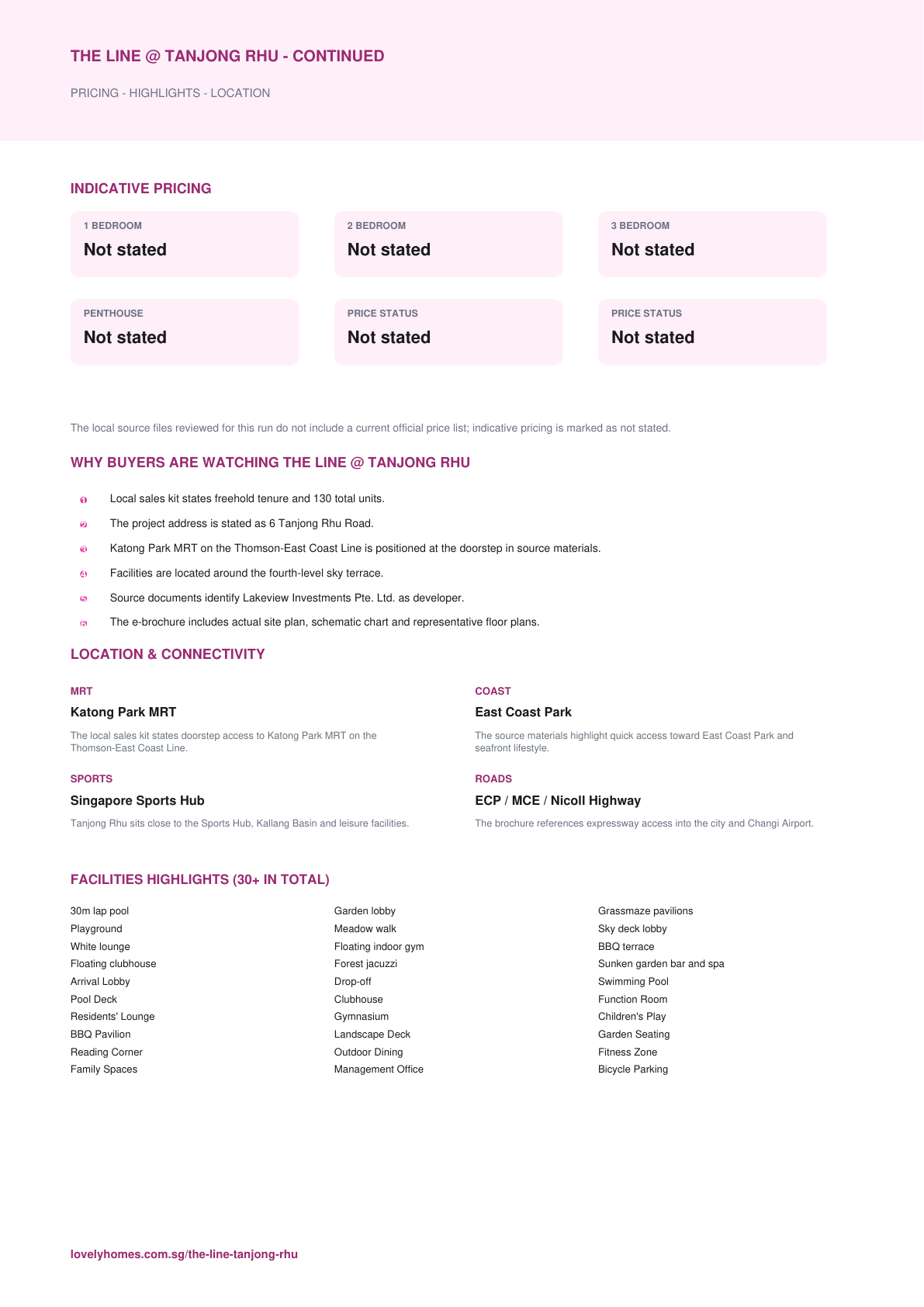
The Line @ Tanjong Rhu

The Line @ Tanjong Rhu


TANJONG RHU ROAD · DISTRICT 15

The Line @ Tanjong Rhu

Freehold residential condominium
130
Residential Units
Freehold
Tenure
3 November 2016
Expected TOP
D15
District
Not stated
Indicative Price

130
Residential Units
Freehold
Tenure
3 November 2016
Expected TOP
D15
District
Not stated
Indicative Price

Why The Line @ Tanjong Rhu

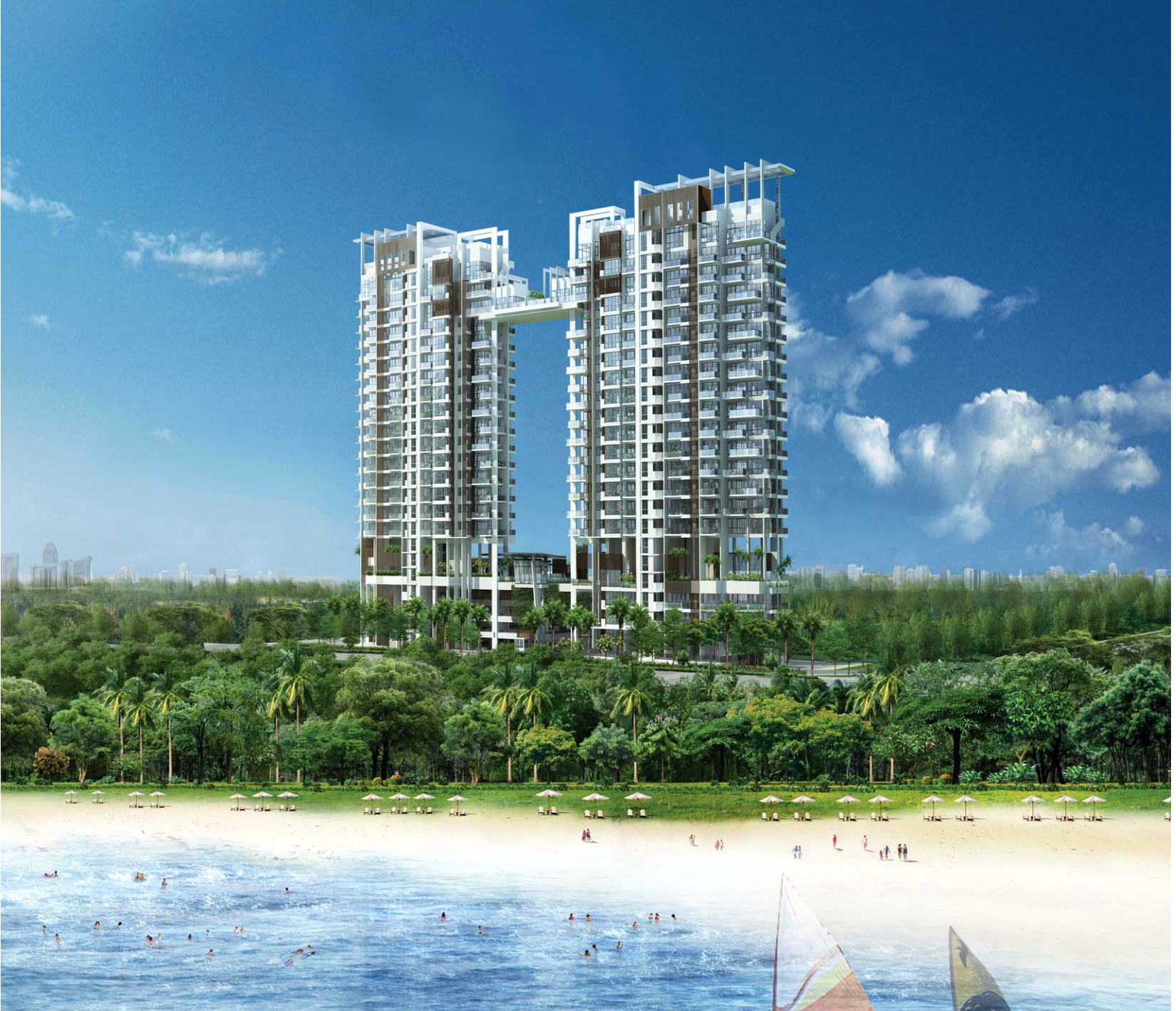
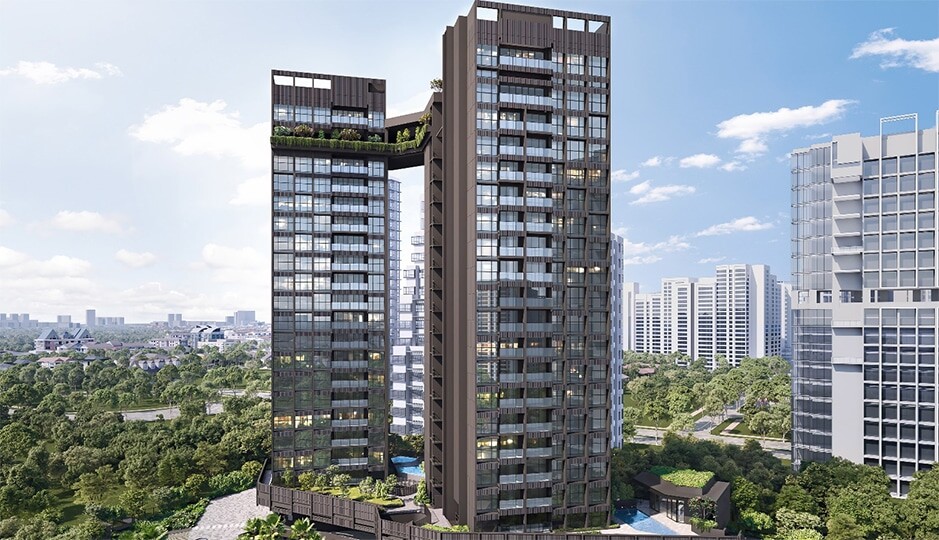
The Line @ Tanjong Rhu is a completed freehold Tanjong Rhu development beside Katong Park MRT, with 130 homes, sky terrace facilities and views toward East Coast Park, Kallang Basin and Sports Hub.

The local source files reviewed for this run do not include a current official price list; indicative pricing is marked as not stated.

Unknown items are marked conservatively from the available source files, rather than filled with assumptions.

Pillar 01

Katong Park MRT

The local sales kit states doorstep access to Katong Park MRT on the Thomson-East Coast Line.

Pillar 02

130 residential units

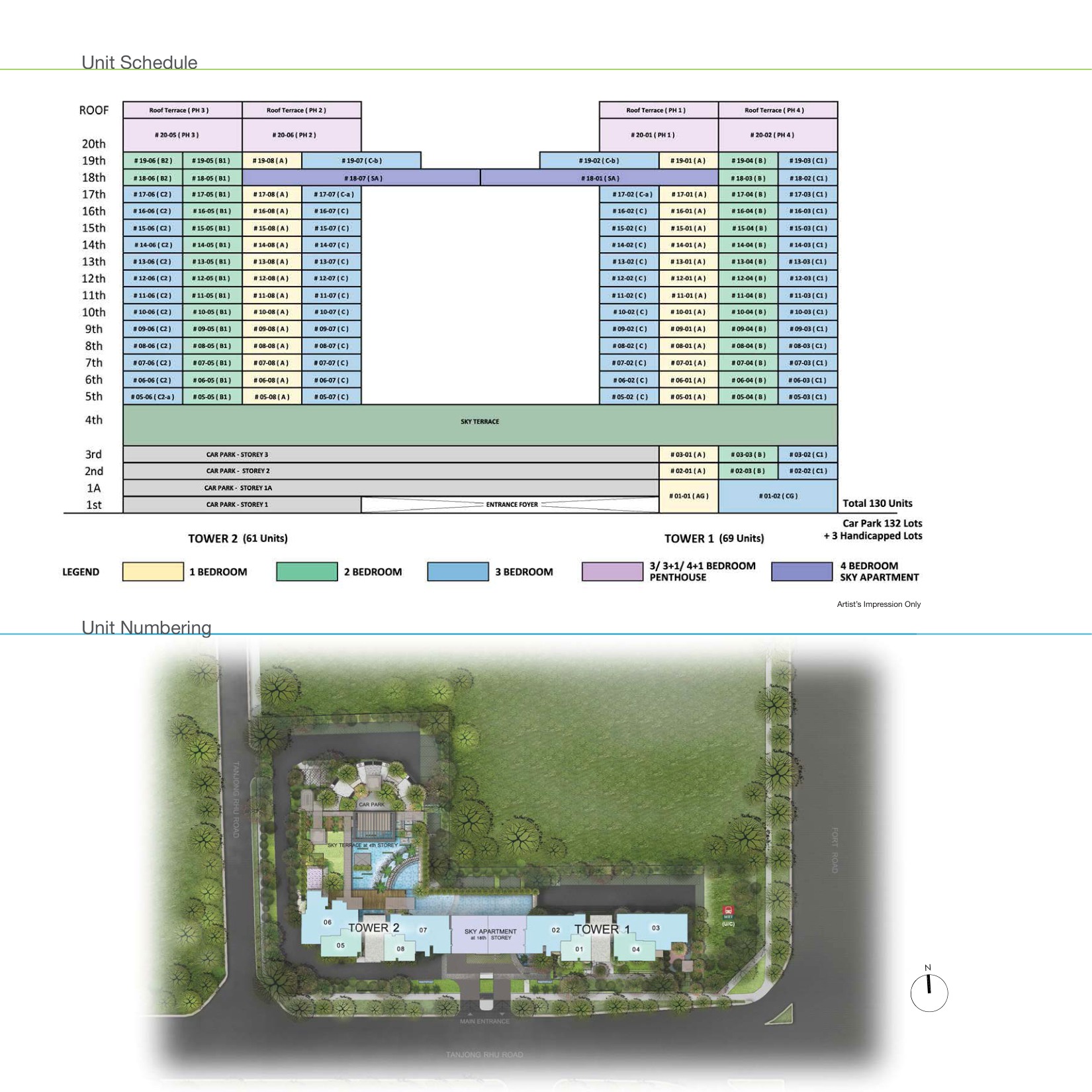
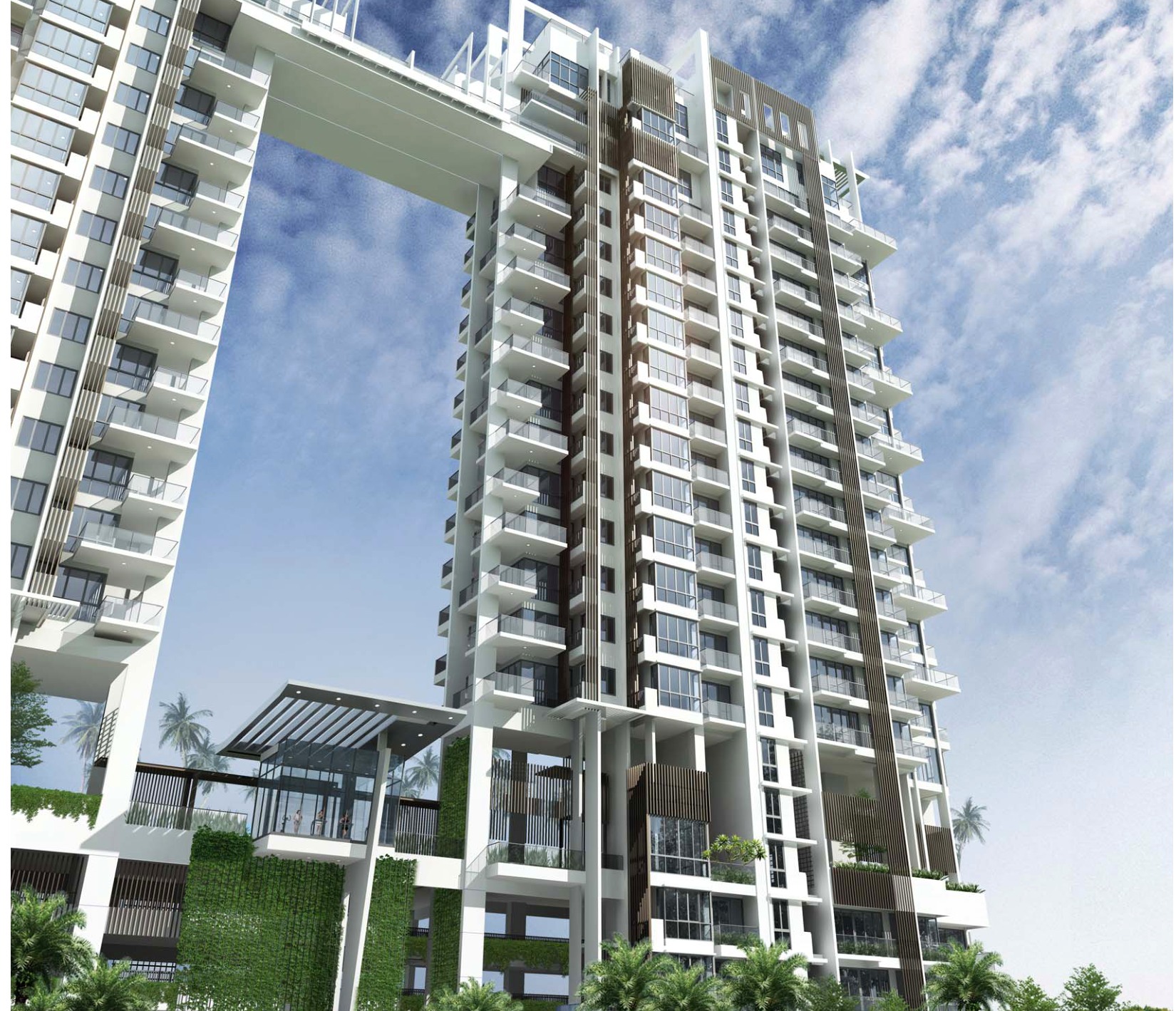
Two 20-storey residential apartment blocks with a four-storey multi-storey carpark, sky terrace, swimming pool and communal facilities

Pillar 03

Source-derived shortlist

Site plan, selected floor plans, sales pack and factsheet are generated from the local project source folder.

Project At-a-Glance

Developer Lakeview Investments Pte. Ltd.
Address 6 Tanjong Rhu Road, Singapore 436883
District D15
Tenure Freehold
Site Area Approximately 54,500 sqft
Plot Ratio 2.1
Blocks and Storeys Two 20-storey residential apartment blocks with a four-storey multi-storey carpark, sky terrace, swimming pool and communal facilities
Total Units 130 residential units
Carpark Refer to source sales pack
Expected TOP TOP 3 November 2016
Launch date Not stated in available source files
Developer Lakeview Investments Pte. Ltd.
Architect MODE Architects Pte Ltd
Main Contractor SL Brillant
Quantity Surveyor Davis Langdon & Seah Singapore Pte Ltd
C&S Engineer KCL Consultants Pte Ltd
M&E Consultant Surbana International Consultants Pte Ltd

Unit Mix and Sizes

Type Size Units % of Total
1 Bedroom 829 sqft Selected units
2 Bedroom 1,044-1,098 sqft Selected units
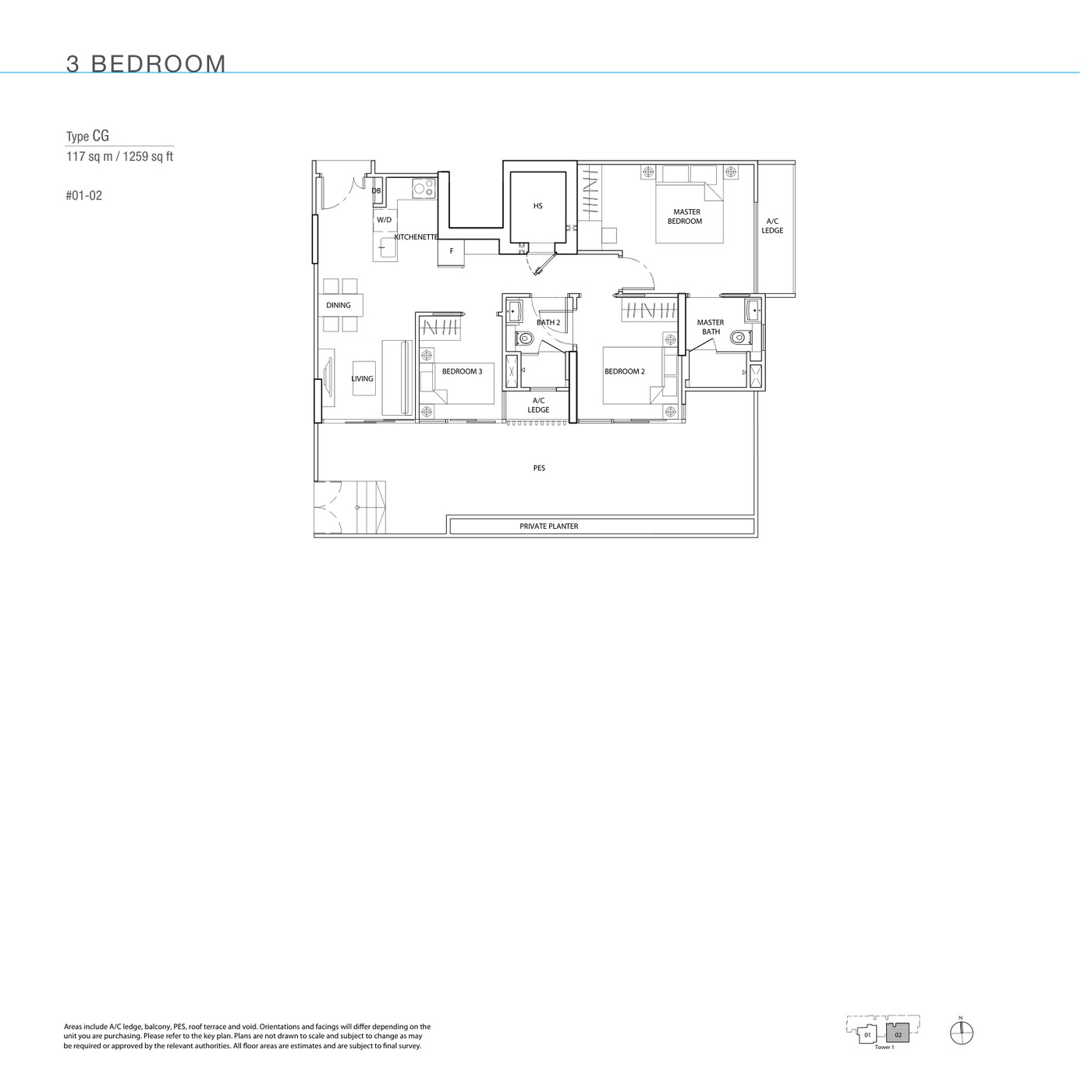
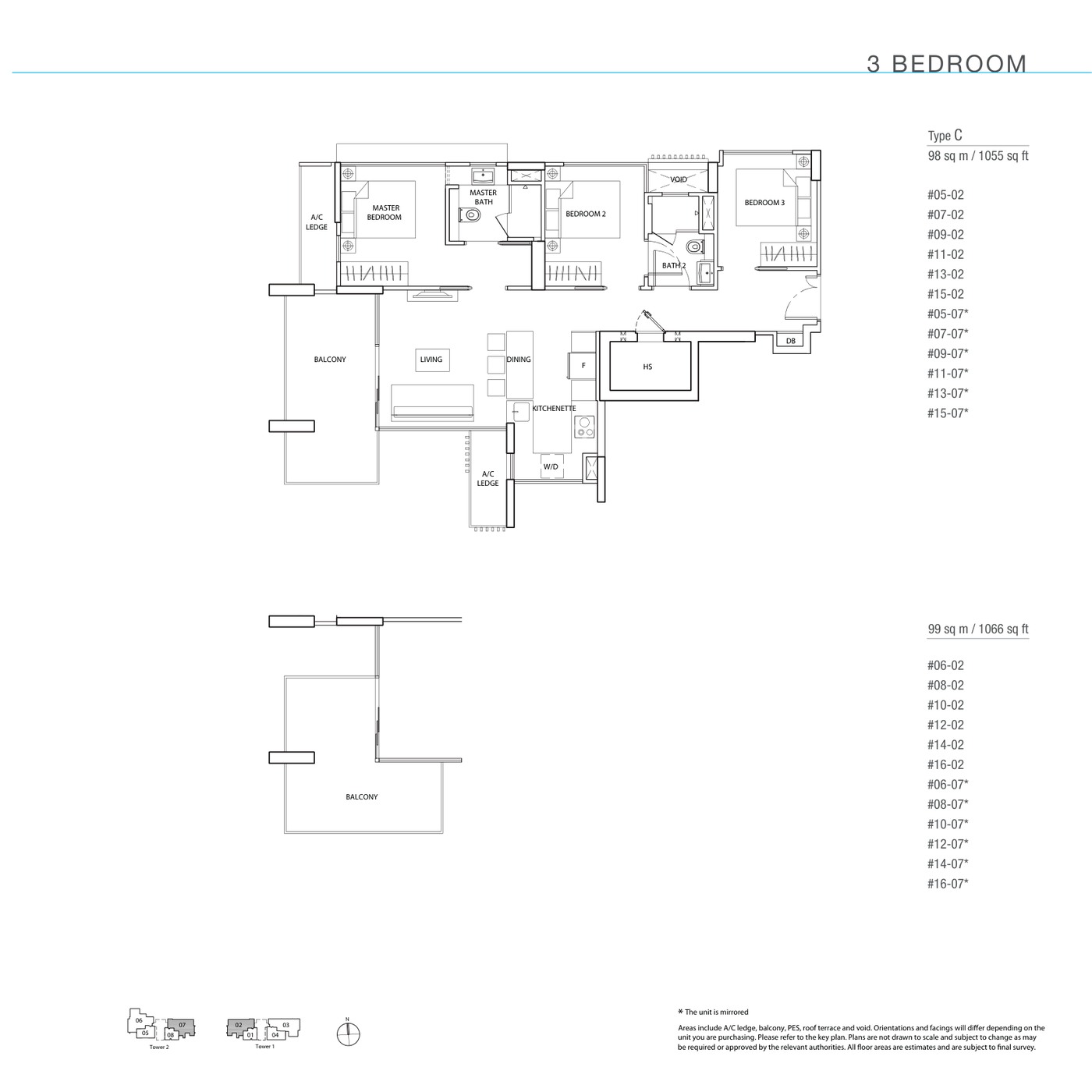
3 Bedroom 1,066-1,216 sqft Selected units
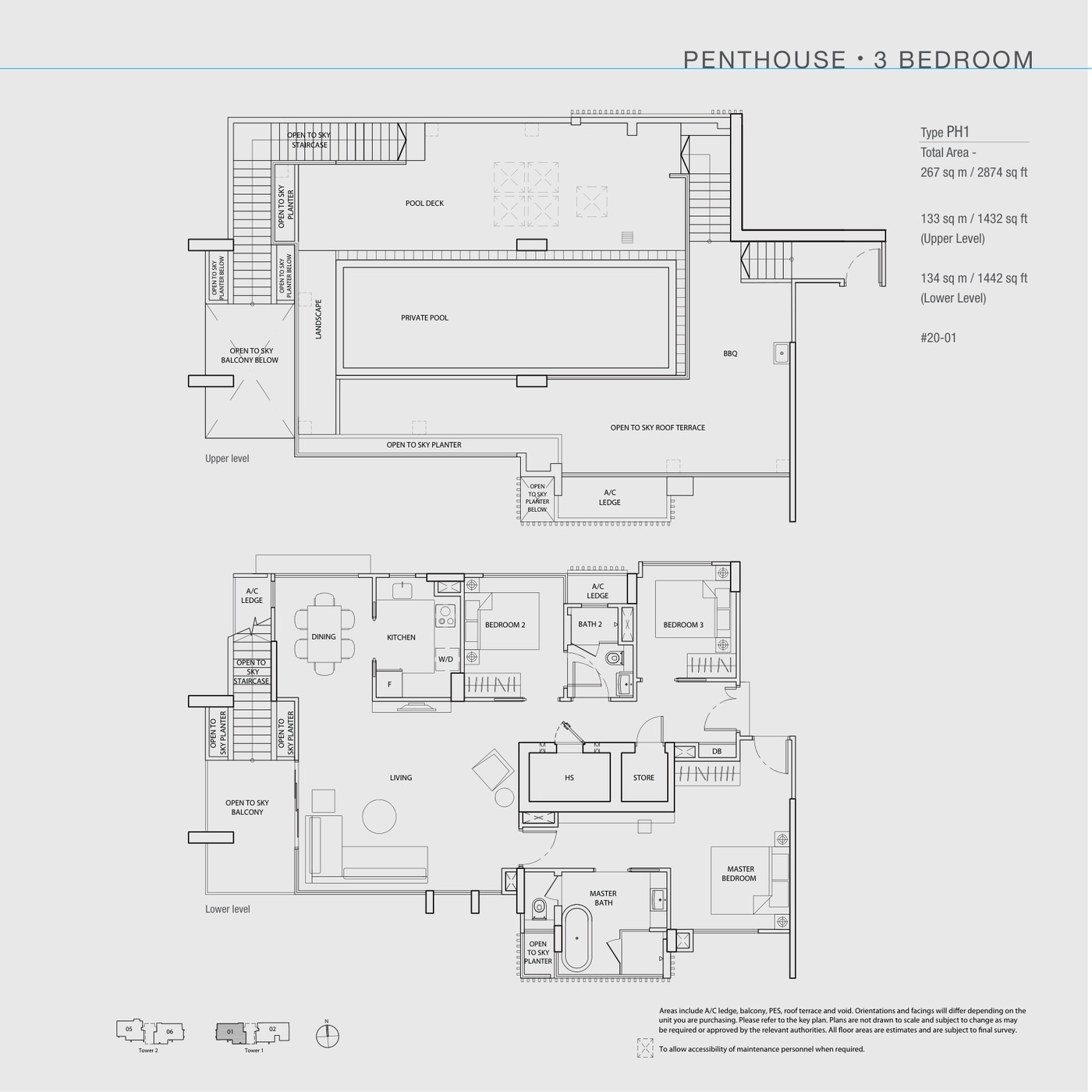
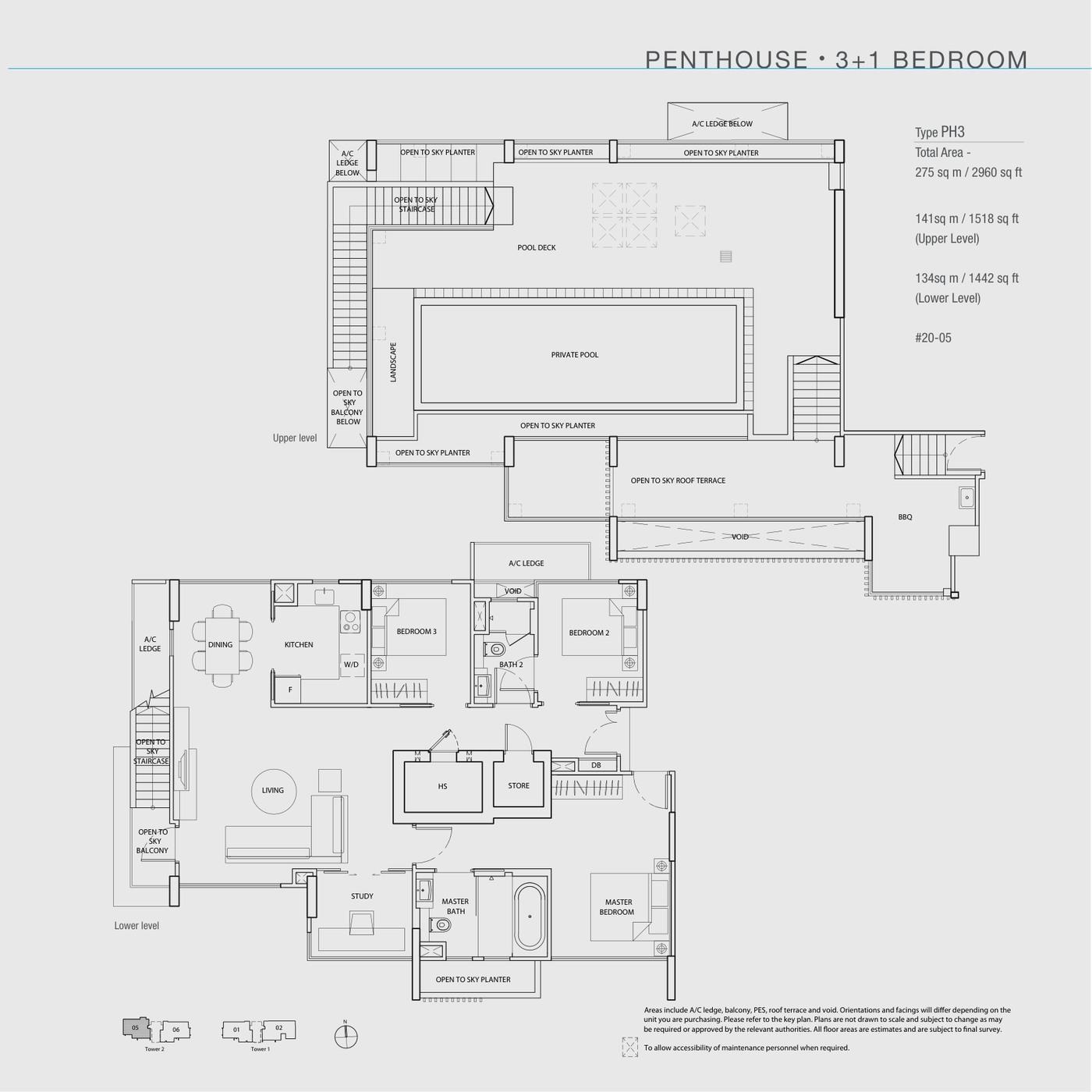
Penthouse 3,423 sqft and above Selected units
Total 829 sqft+ 130 residential units 100%
Source note: Unit mix and sizes are taken from local source project files. Confirm final availability and strata areas against the developer sales pack.

Indicative Pricing

1 Bedroom from
Not stated
2 Bedroom from
Not stated
3 Bedroom from
Not stated
Penthouse from
Not stated
Pricing note: The local source files reviewed for this run do not include a current official price list; indicative pricing is marked as not stated.

Why Buyers Are Watching

  1. 1Local sales kit states freehold tenure and 130 total units.
  2. 2The project address is stated as 6 Tanjong Rhu Road.
  3. 3Katong Park MRT on the Thomson-East Coast Line is positioned at the doorstep in source materials.
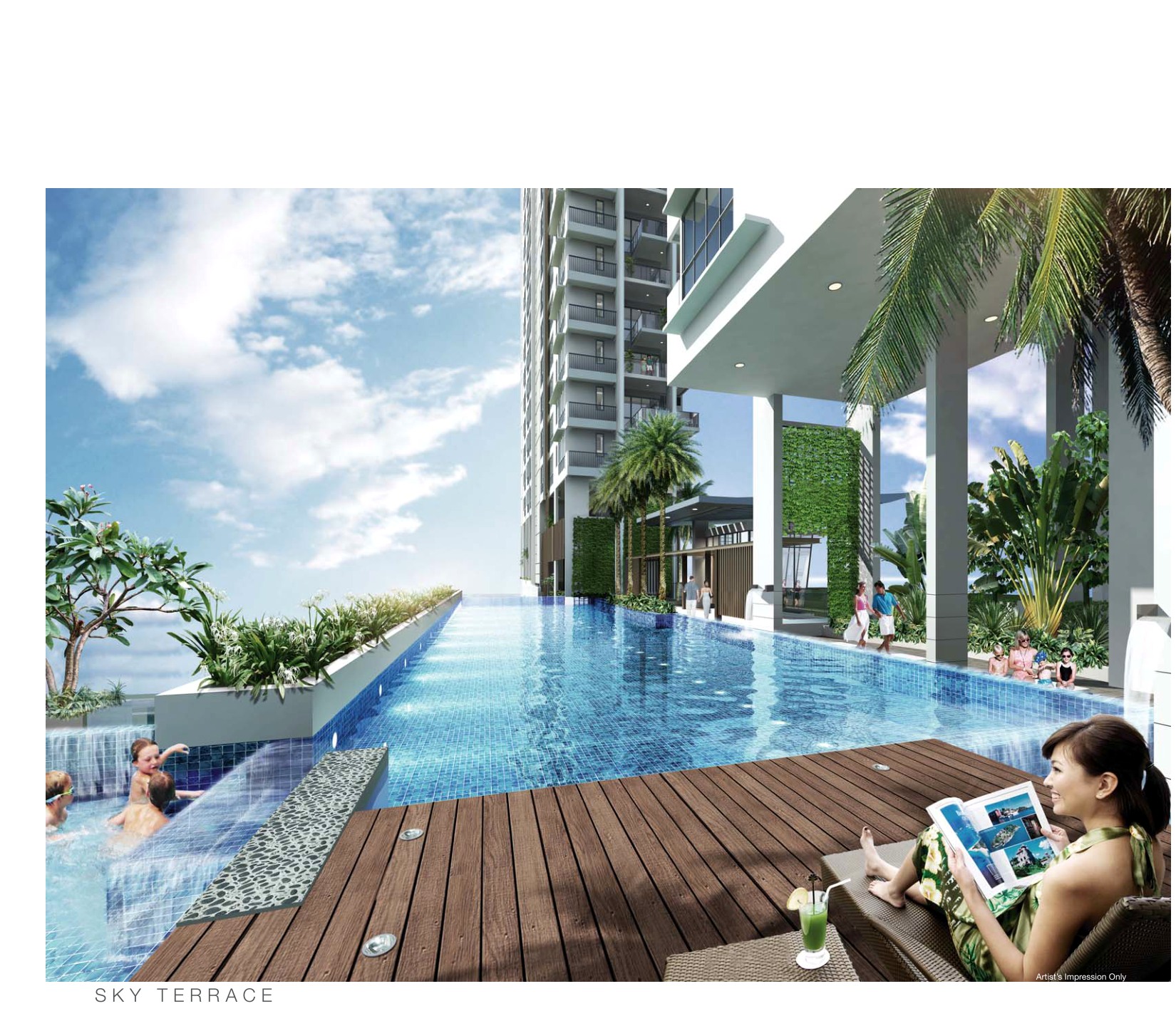
  4. 4Facilities are located around the fourth-level sky terrace.
  5. 5Source documents identify Lakeview Investments Pte. Ltd. as developer.
  6. 6The e-brochure includes actual site plan, schematic chart and representative floor plans.

Location and Connectivity
MRT
Katong Park MRT
The local sales kit states doorstep access to Katong Park MRT on the Thomson-East Coast Line.
Coast
East Coast Park
The source materials highlight quick access toward East Coast Park and seafront lifestyle.
Sports
Singapore Sports Hub
Tanjong Rhu sits close to the Sports Hub, Kallang Basin and leisure facilities.
Roads
ECP / MCE / Nicoll Highway
The brochure references expressway access into the city and Changi Airport.
The Line @ Tanjong Rhu source site and location context plan

Schools Nearby

Primary / Nearby Dunman High School, Kong Hwa School, Tanjong Katong Primary School
Secondary / Tertiary Broadrick Secondary School
Distance note School distance and priority admission should be re-checked against OneMap and current MOE rules before purchase.

Lifestyle and Amenities

Daily Convenience

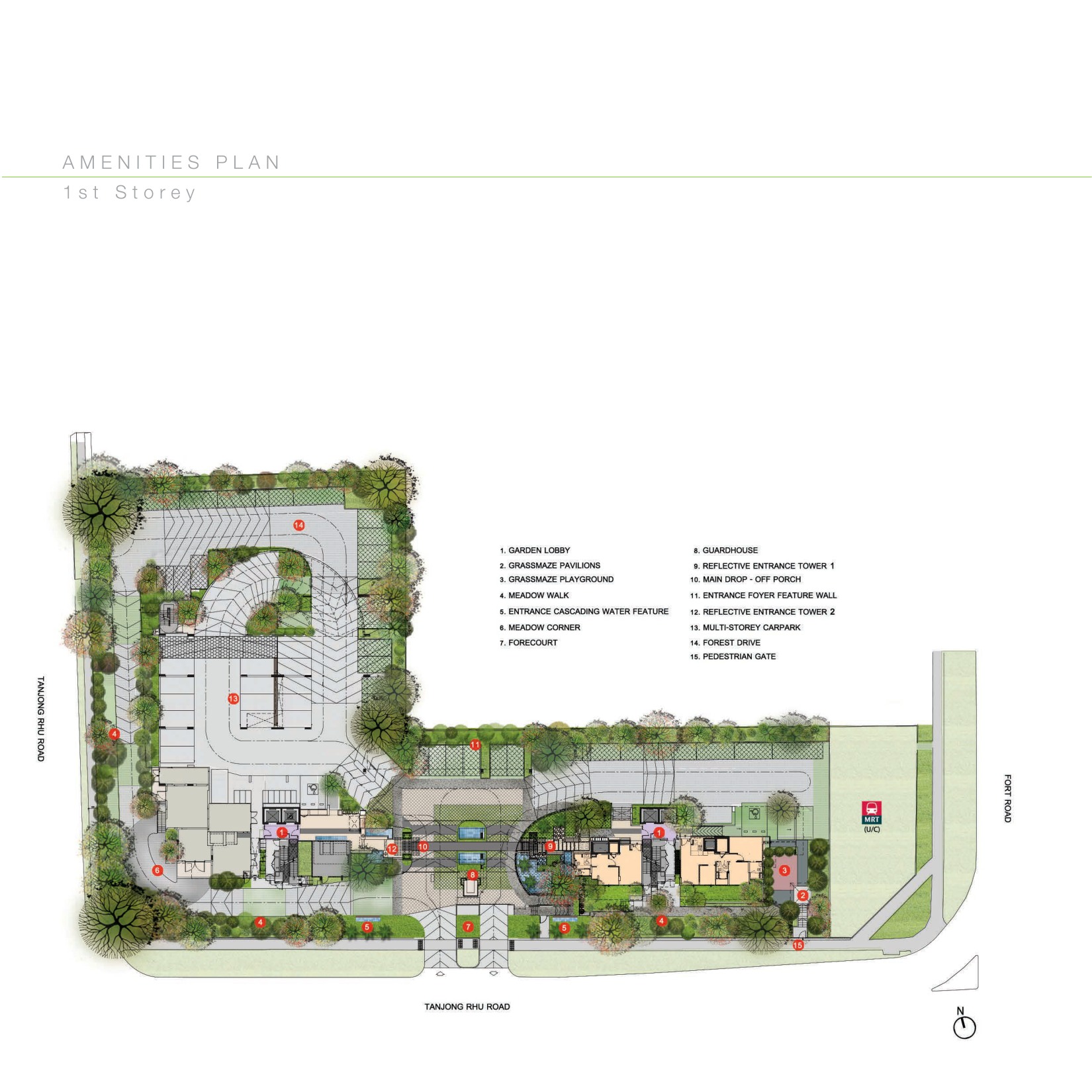
30m lap pool, Garden lobby

Outdoors

Grassmaze pavilions, Playground

Dining

Meadow walk, Sky deck lobby

Retail

White lounge, Floating indoor gym

Community

BBQ terrace, Floating clubhouse

Wellness

Forest jacuzzi, Sunken garden bar and spa

Site Plan

The Line @ Tanjong Rhu actual site plan

Actual source site plan · subject to developer confirmation

Floor Plans (Selected)

Representative plans by unit type. Download the full PDF below for the complete source-derived floor plan pack.
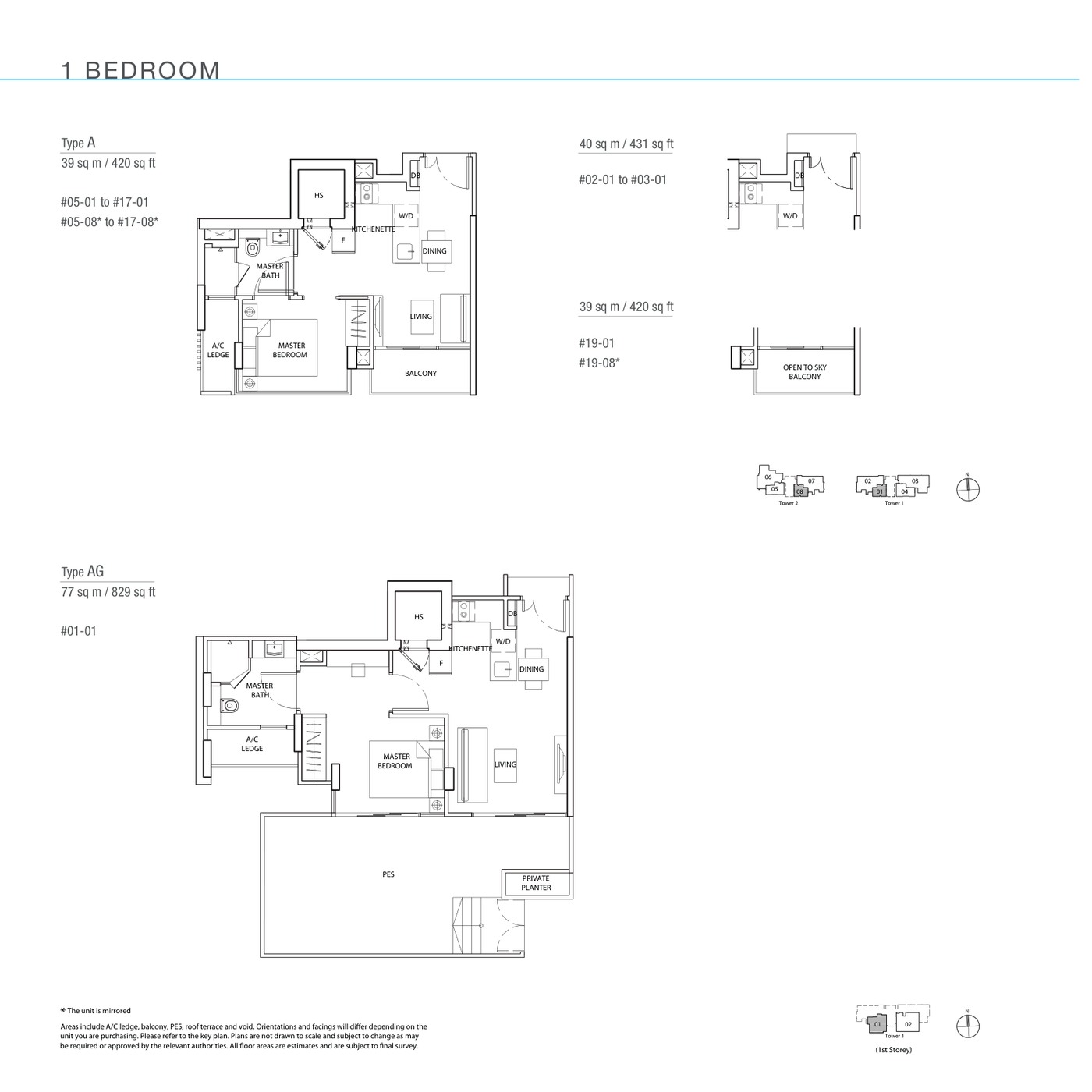
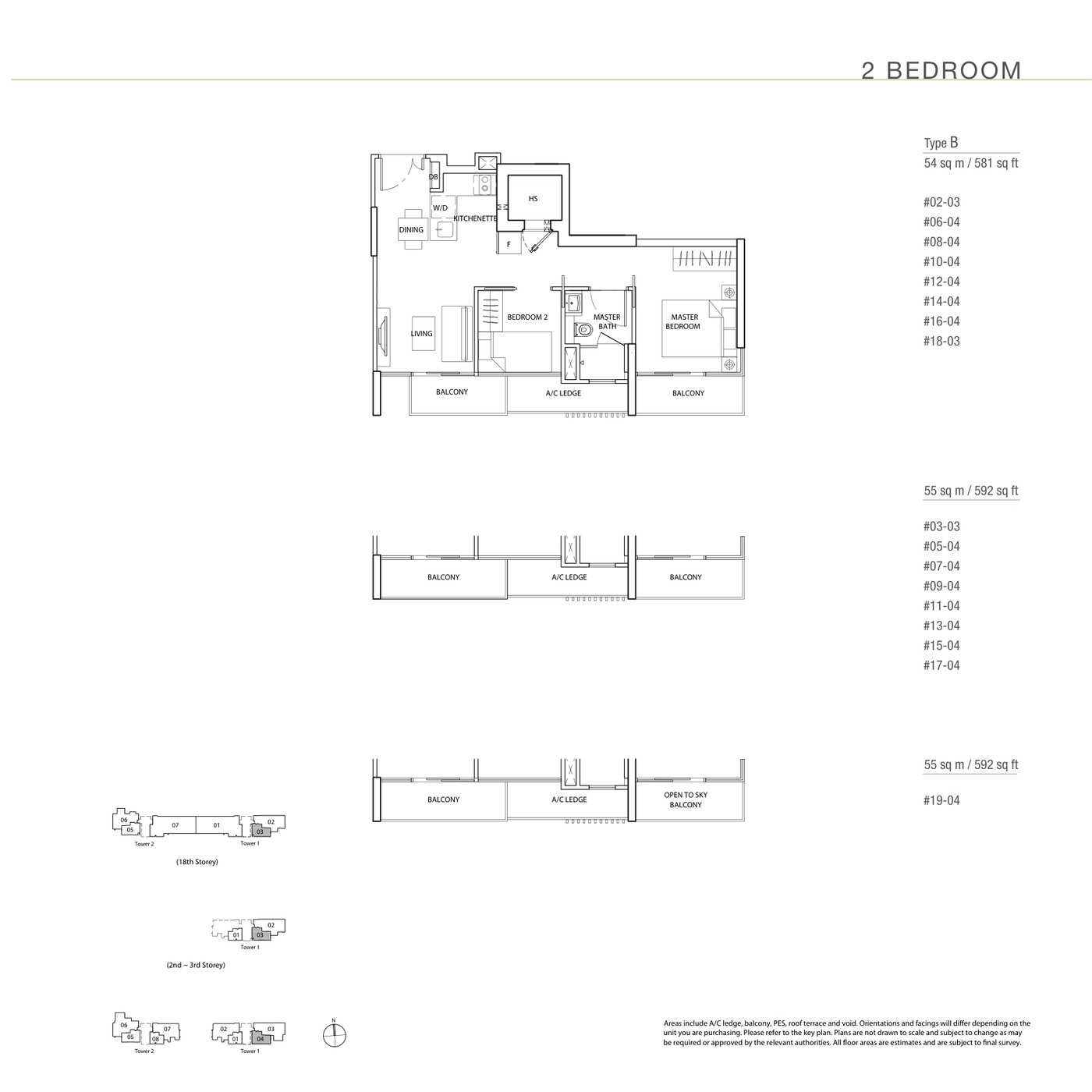
The Line @ Tanjong Rhu 1 Bedroom floor plan

1 Bedroom
The Line @ Tanjong Rhu 2 Bedroom floor plan

2 Bedroom
The Line @ Tanjong Rhu 3 Bedroom floor plan

3 Bedroom
The Line @ Tanjong Rhu 3 Bedroom larger format floor plan

3 Bedroom larger format
The Line @ Tanjong Rhu Penthouse lower floor floor plan

Penthouse lower floor
The Line @ Tanjong Rhu Penthouse upper floor floor plan

Penthouse upper floor
Full Floor Plans PDF
All available source floor plans for detailed stack shortlisting.

Download PDF

Elevation and Stack Chart

The Line @ Tanjong Rhu elevation and stack chart

Elevation and stack chart · source-derived · subject to developer confirmation

Facilities (30+)

30m lap poolGarden lobbyGrassmaze pavilionsPlaygroundMeadow walkSky deck lobbyWhite loungeFloating indoor gymBBQ terraceFloating clubhouseForest jacuzziSunken garden bar and spaArrival LobbyDrop-offSwimming PoolPool DeckClubhouseFunction RoomResidents' LoungeGymnasiumChildren's PlayBBQ PavilionLandscape DeckGarden SeatingReading CornerOutdoor DiningFitness ZoneFamily SpacesManagement OfficeBicycle ParkingAccessible FacilitiesCarparkEV LotsSecurityMail RoomSide Gate

Gallery

Developer and Consultant Team

Lakeview Investments Pte. Ltd.

The Line @ Tanjong Rhu source materials identify the developer and consultant team below. Buyers should confirm final contractual parties in the official sales documents.

Developer Lakeview Investments Pte. Ltd.
Architect MODE Architects Pte Ltd
Main Contractor SL Brillant
Quantity Surveyor Davis Langdon & Seah Singapore Pte Ltd
C&S Engineer KCL Consultants Pte Ltd
M&E Consultant Surbana International Consultants Pte Ltd

Sustainability and Specifications

Source materials highlight completed freehold housing beside MRT, sky-terrace facilities, coastal proximity and access to park connectors. Formal green certification was not found in the reviewed source set.

  • Source discipline – only available source details are shown.
  • Specifications – confirm final appliances, finishes and provisions in the developer sales pack.
  • Mobility – MRT, road and neighbourhood access should be checked against current site conditions before purchase.

Project Timeline

TOP
3 November 2016
Legal completion
3 November 2017
Sales kit source
25 August 2023
Status
Immediate-occupation/developer-unit sales material reviewed
TBA
Developer update

Project Factsheet

A shareable 2-page PDF snapshot of everything on this page – bring it to viewings, forward it to family.
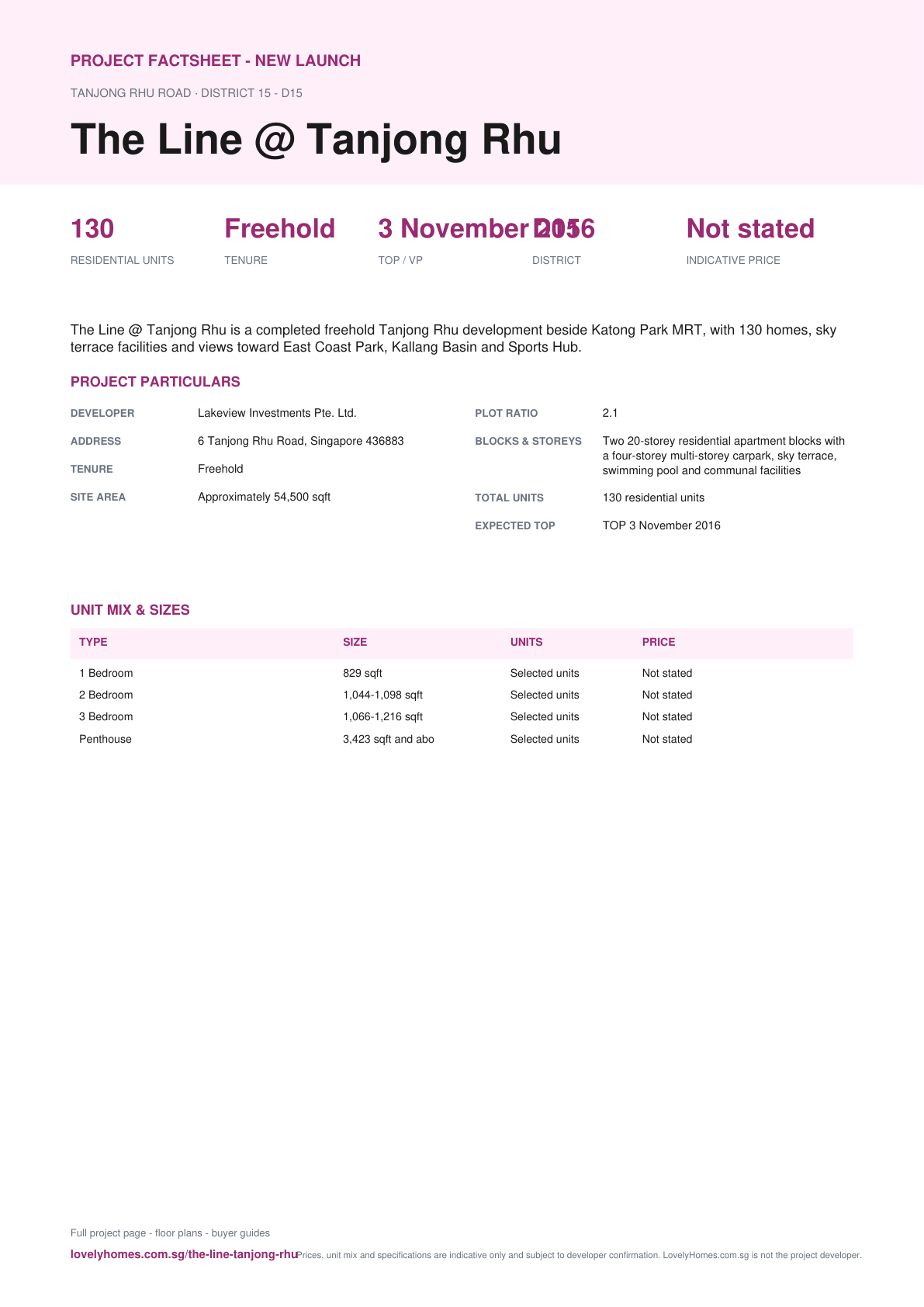
Download the Full Sales Pack

PDF · 2 pages

The Line @ Tanjong Rhu Factsheet

2-page LovelyHomes project factsheet – share with family, bring to viewings.

Download Factsheet

PDF · floor plans

Full Floor Plans

Representative and full source-derived floor plans for shortlisting stacks.

Download Floor Plans

Source · site plan

Site Plan

Actual source site plan image used on this project page.

Download Site Plan

Frequently Asked Questions

Where is The Line @ Tanjong Rhu located?
6 Tanjong Rhu Road, Singapore 436883
Who is the developer?
Lakeview Investments Pte. Ltd.
When is The Line @ Tanjong Rhu expected to be completed?
TOP 3 November 2016
What unit types are available?
1 Bedroom (829 sqft); 2 Bedroom (1,044-1,098 sqft); 3 Bedroom (1,066-1,216 sqft); Penthouse (3,423 sqft and above)
What are indicative prices at The Line @ Tanjong Rhu?
The local source files reviewed for this run do not include a current official price list; indicative pricing is marked as not stated.
How is the connectivity?
The local sales kit states doorstep access to Katong Park MRT on the Thomson-East Coast Line.
What facilities are included?
30m lap pool, Garden lobby, Grassmaze pavilions, Playground, Meadow walk, Sky deck lobby, White lounge, Floating indoor gym, BBQ terrace, Floating clubhouse, Forest jacuzzi, Sunken garden bar and spa
Is it freehold or leasehold?
Freehold
Which schools are nearby?
Dunman High School, Kong Hwa School, Tanjong Katong Primary School, Broadrick Secondary School
What makes The Line @ Tanjong Rhu different?
Local sales kit states freehold tenure and 130 total units. The project address is stated as 6 Tanjong Rhu Road. Katong Park MRT on the Thomson-East Coast Line is positioned at the doorstep in source materials.

Ready to see The Line @ Tanjong Rhu in person?

Speak to our LovelyHomes concierge on WhatsApp for the latest unit availability, e-brochures and showflat bookings.

Message on WhatsApp

Related Buying Guides

Stamp Duty

ABSD Singapore 2026: The Complete Guide

Rates, surcharges and remissions for citizens, PRs and foreigners buying a second or first home.

Stamp Duty

Buyer’s Stamp Duty (BSD) Singapore 2026

Current BSD rates, worked examples and a calculator for residential purchases.

Financing

Home Loan Singapore 2026: HDB vs Bank

LTV, SORA, fixed vs floating and how to structure your financing package.

Step-by-Step

First-Time Home Buyer Walkthrough

From option fee to collection of keys – every step in the Singapore buying process.

Location

CCR vs RCR vs OCR Explained

How Singapore regions affect pricing, demand and capital appreciation.

Policy

Cooling Measures Timeline 2009-2026

Every major round of Singapore property cooling measures and what they did to prices.
Disclaimer. Prices, unit mix, specifications, site plans, floor plans and facility lists on this page are indicative only and subject to change by the developer without notice. All information has been compiled from available local source project material and verified for this run on 6 May 2026. LovelyHomes.com.sg is not the project developer. Prospective buyers should consult an accredited salesperson and the developer’s official sales kit before committing to any purchase. Artist impressions are for illustrative purposes only and may differ from the final built product.

Is Arina East Residences worth buying?

Is Arina East Residences worth buying?

[This article was first posted on littlebigreddot.com on 14 May 2025]

Former La Ville Condominium was sold to Developer ZACD Group Limited through a collective sale on 1 December 2021.

Developed by ZACD Group Limited, a Singapore-based Developer – Arina East Residences will be having its public preview soon. A development located in the highly sought after District 15 of Singapore. Is this development worth buying? Let’s analyze and review this together!

To start off, Arina East Residences is a Freehold Development, so there is no lease start date. In the long run, as other big boys like Grand Dunman, Tembusu Grand go through their lease decay, Arina East Residences will stand tall as something that is timeless. Yes, that’s a plus point, but what’s its Price Point?

Be it for Home-stay or what most Singaporeans like to call, “investment”, the entry point to a project is extremely important. You would want to make sure that you are not purchasing the biggest asset in your life at a ridiculous price compared to your surrounding neighbors in the area. That being said, Freehold usually has a 10-20% premium as compared to its leasehold counterparts.


For this post, I will be splitting this analysis into a few categories and review it after each round using:

  1. Size and Facilities
  2. Distance to nearest MRT, is it within 15 minutes?
  3. Distance to nearest Hawker Center, is it within 15 minutes?
  4. Distance to nearest Shopping Centre, is it within 15 minutes?
  5. Any Primary/ Secondary schools within 1KM of development?
  6. Price Per Squarefoot – Premium over its Freehold Neighbors 


Category 1 – Size and Facilities of Arina East Residences

To begin, Arina East Residences will consist of 107 residential units, offering unit mix of 1 to 4 Bedroom types. It will be a fully facilitated development which ladies and gentlemen, includes a Tennis Court! As well as the other typical Condominium Facilities such as luxury pools, pavilions, gym etc. to suit your leisure and fitness needs.

Honestly, I was surprise to learn that Arina East Residences, a well located Freehold Development has full facilities. Normally, Freehold Developments are either not situated in a very convenient spot that’s further from the MRT, or a smaller development with lack of facilities, let alone having a Tennis Court in it. It’s a win win for me this round!

Verdict for Category 1: Pass.


Category 2 – Distance to the nearest MRT

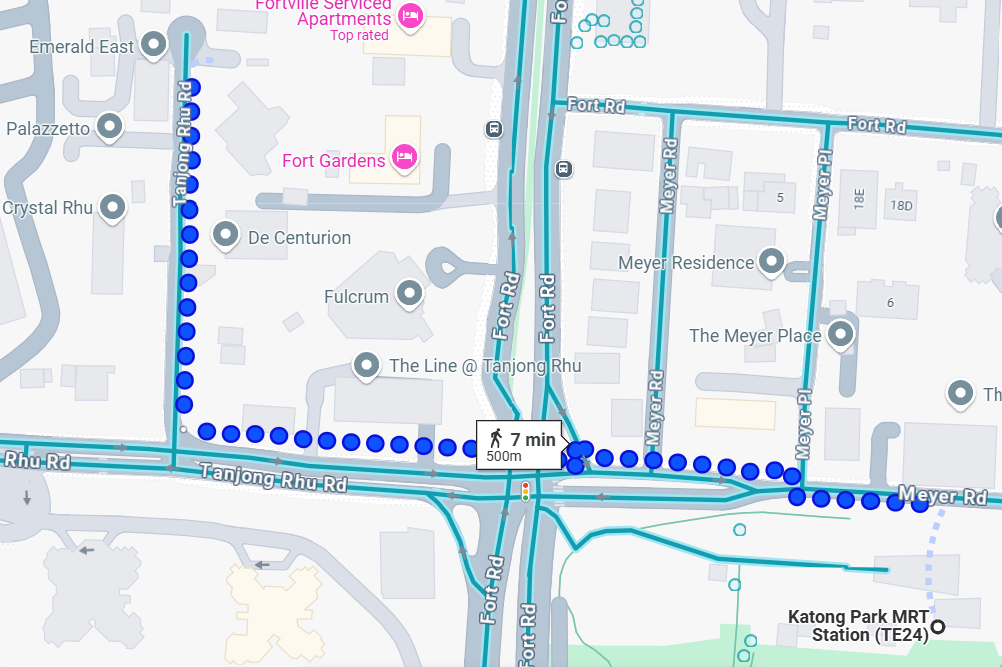
The nearest MRT to Arina East Residences is Katong Park MRT Station. According to Google Maps, its a 500m distance which is about 7 minutes walk from the development to Katong Park MRT Station. Personally for Private Properties, the walk to nearest MRT Station should always be below 15 minutes for me to consider it as being decently located.

Arina East Residences to Katong Park MRT Station by foot

Verdict for Category 2: Pass.


Category 3 – Distance to the nearest Hawker Center

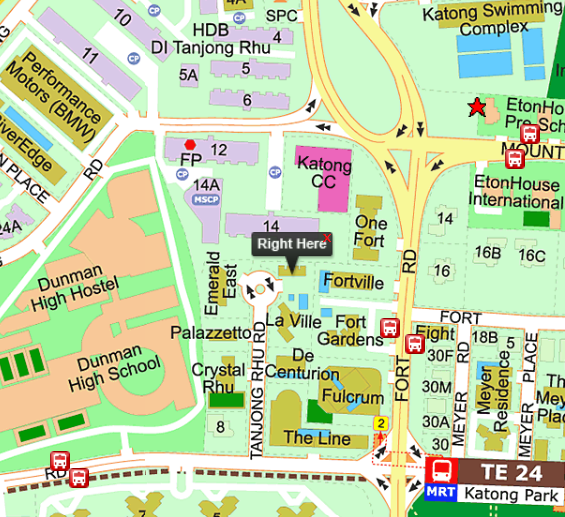
Location of Arina East Residences

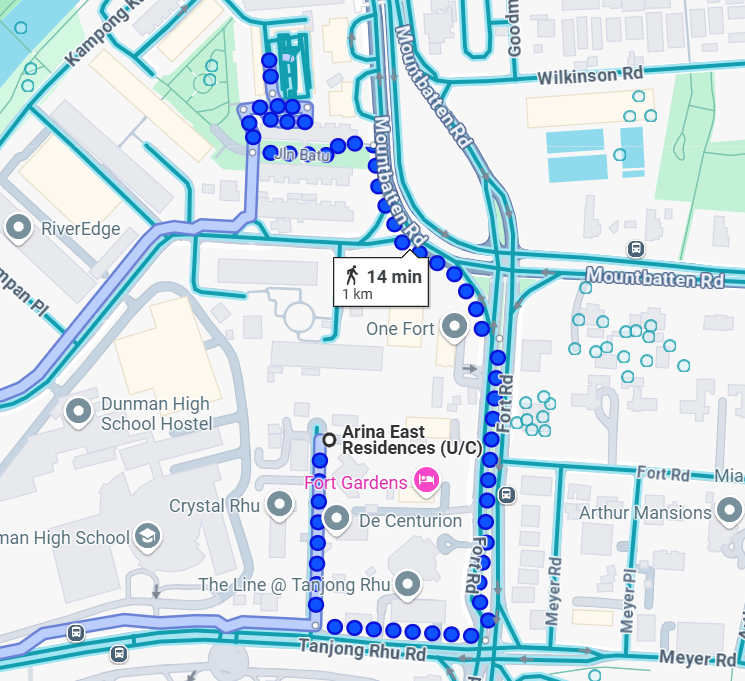
The nearest Hawker centre from Arina East Residences will be Jalan Batu Market & Food Centre. It’s a good 1KM away from the development and is estimated to be a 14 minutes walk according to Google Maps.

Arina East Residences to Jalan Batu Market & Food Centre by foot

Verdict for Category 3: This was a close one, but within 15 minutes it is. Pass!


Category 4 – Distance to the nearest Shopping Centre

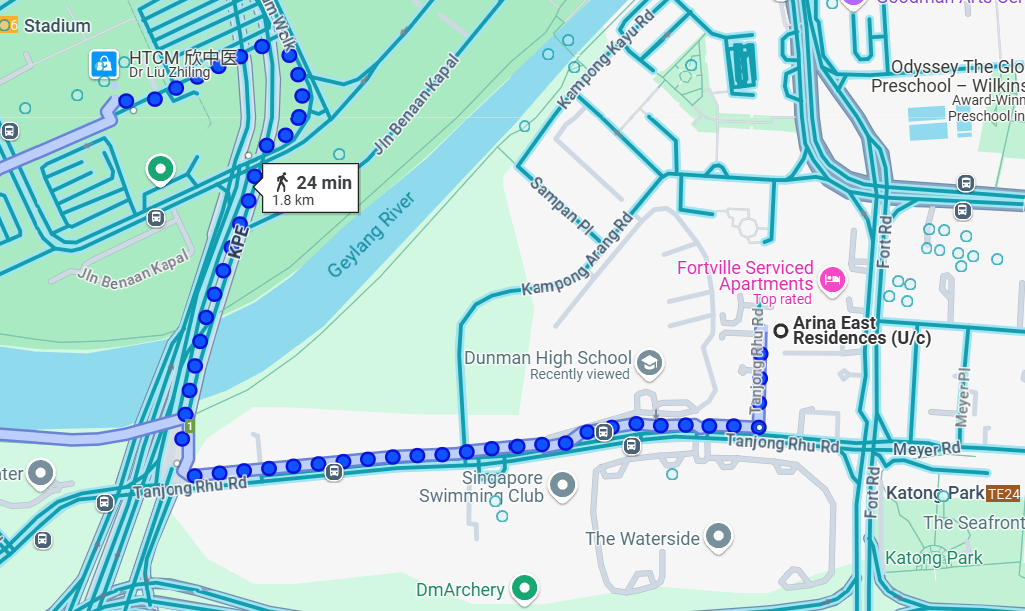
I’ve seen several sites stating that the nearest Shopping Centre – Leisure Park Kallang is 0.93KM, approximately a 12 minutes walk from Arina East Residences. However (and this is always the case), Google Maps stated that the walking distance is in fact 1.8KM, approximately a 24 minutes walk.

Arina East Residences to Leisure Park Kallang by foot.

This could often be the case because Google Maps may recommend a longer route that avoids certain roads or areas, possibly due to pedestrian access restrictions or safety concerns, therefore the suggested routes might incorporate pedestrian paths that are not the most direct but are considered safer or more accessible. Google Maps may also adjust routes based on real-time data, such as traffic conditions or construction, leading to longer suggested paths.

I will take Google Map’s distance to generate the result for this category.

Verdict for Category 4: Fail.


Category 5 – Schools within 1KM of Development

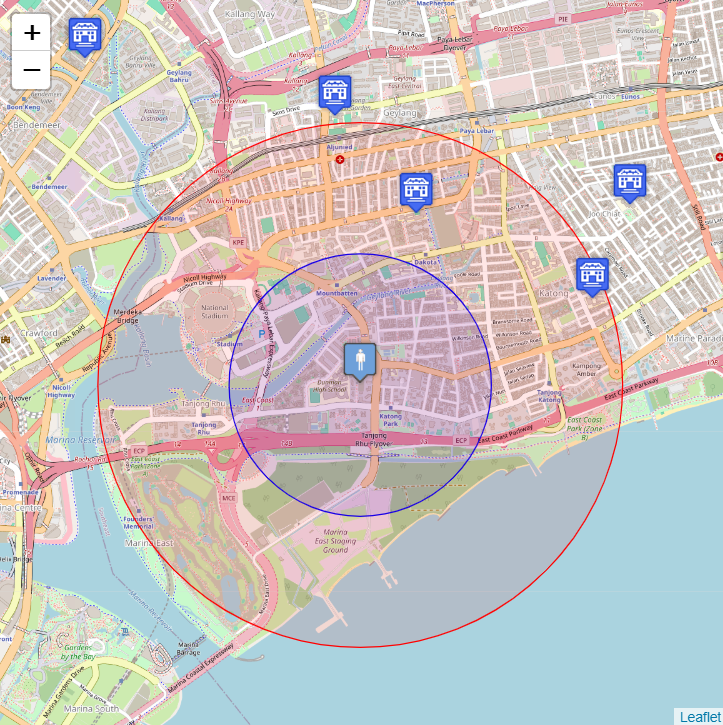
For this category, I will be using Elite.com.sg as always.

Schools within 1KM from Arina East Residences via Elite.com.sg

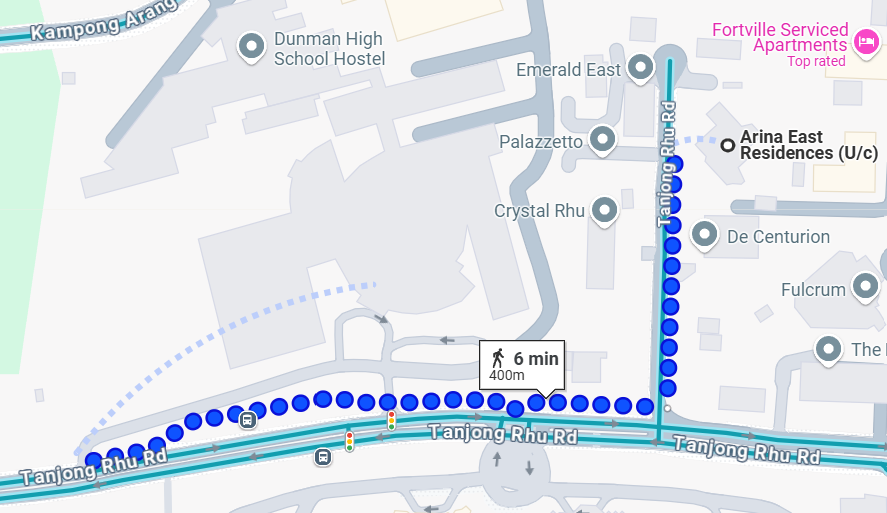
According to Elite.com.sg, it seems there’s no schools within 1KM of Arina East Residences. However upon further research and confirmation using Google Maps, Dunman High School is a mere 400m, just 6 minutes walk from the development.

Arina East Residences to Dunman High School by foot.

For additional information, here are some other schools that are located within 2KM of Arina East Residences:

Chung Cheng High School – 1.6KM, approximately 22 minutes walk

Broadrick Secondary School – 1.7KM. approximately 23 minutes walk

which would bring about more convenience if you are travelling by car, unless you enjoy some morning exercises.

Verdict for Category 5: Pass!


Category 6 – Price per Squarefoot

For this category, we will be looking at Arina East Residence’s PSF in comparison to the recent New Launches, as well as its Freehold Resale neighbors in the area.

According to EdgeProp, ZACD Group is set to preview Arina East Residences at prices starting from 3,000 PSF (Source: https://www.edgeprop.sg/property-news/zacd-group-preview-freehold-arina-east-residences-prices-3000-psf) That will amount to around $1.485 mil starting from a 1 Bedroom – 495 Sqft. A similar price range to Meyer Blue when it previewed last year.

As all may know, the starting from prices are usually for units with lower floors or facings that are not the best. To be safe in selecting a better unit, let’s take $3,250 PSF for this comparison!

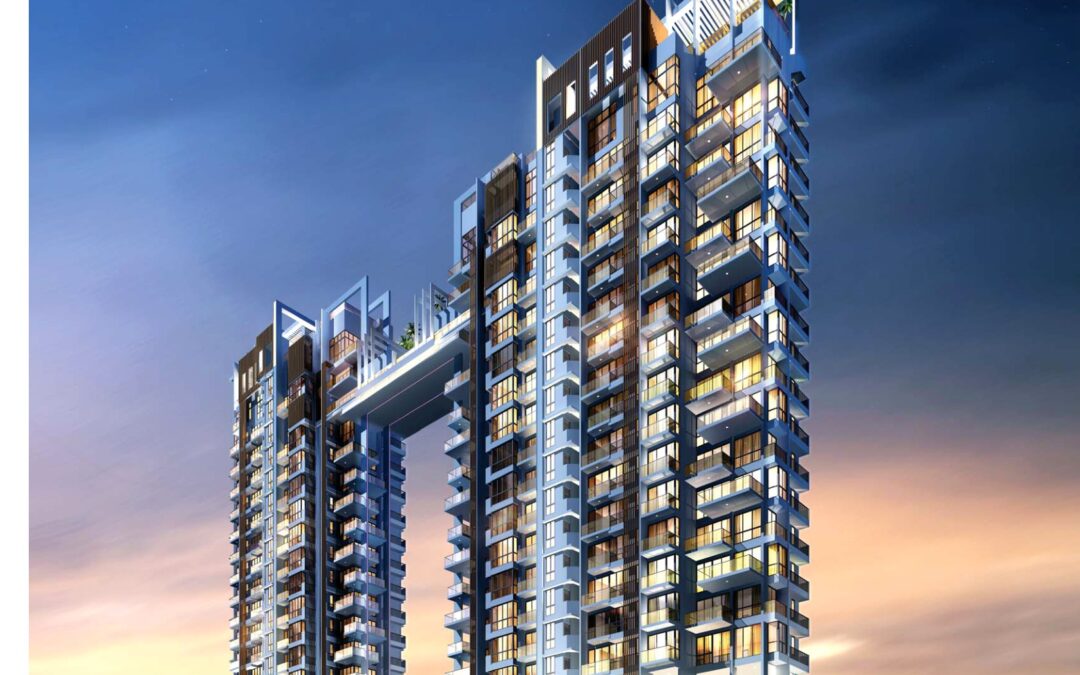
I will take Meyer Blue for the recent New Launch comparison. Meyer Blue is a fully facilitated, freehold Development housing 226 units. This development was launched last year October and is similarly located in District 15.


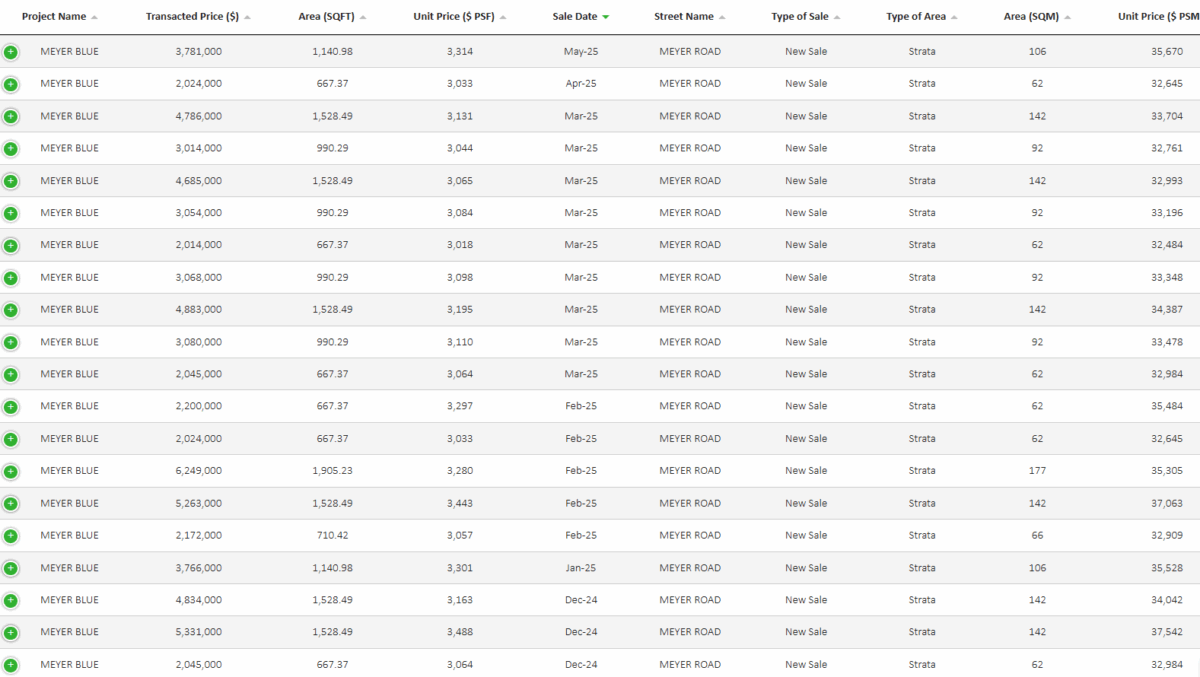
Prices of Meyer Blue from Dec’24 to May’25

The average PSF taken from Meyer Blue’s transactions over the last 6 months is $3,162. If we take Arina East Residence’s estimated PSF of $3,250, that will amount to a 2.78% premium over Meyer Blue.

What are your thoughts on these? Taking into account both developments are Freehold luxury properties, we definitely have to look into more details of these projects for a better comparison! Let’s leave this to next week’s episode: “Property Showdown on Little Big Red Dot: Meyer Blue Vs. Arina East Residences“. Stay tuned! (:

Next, let’s have a look at Arina East Residence’s Resale comparison.

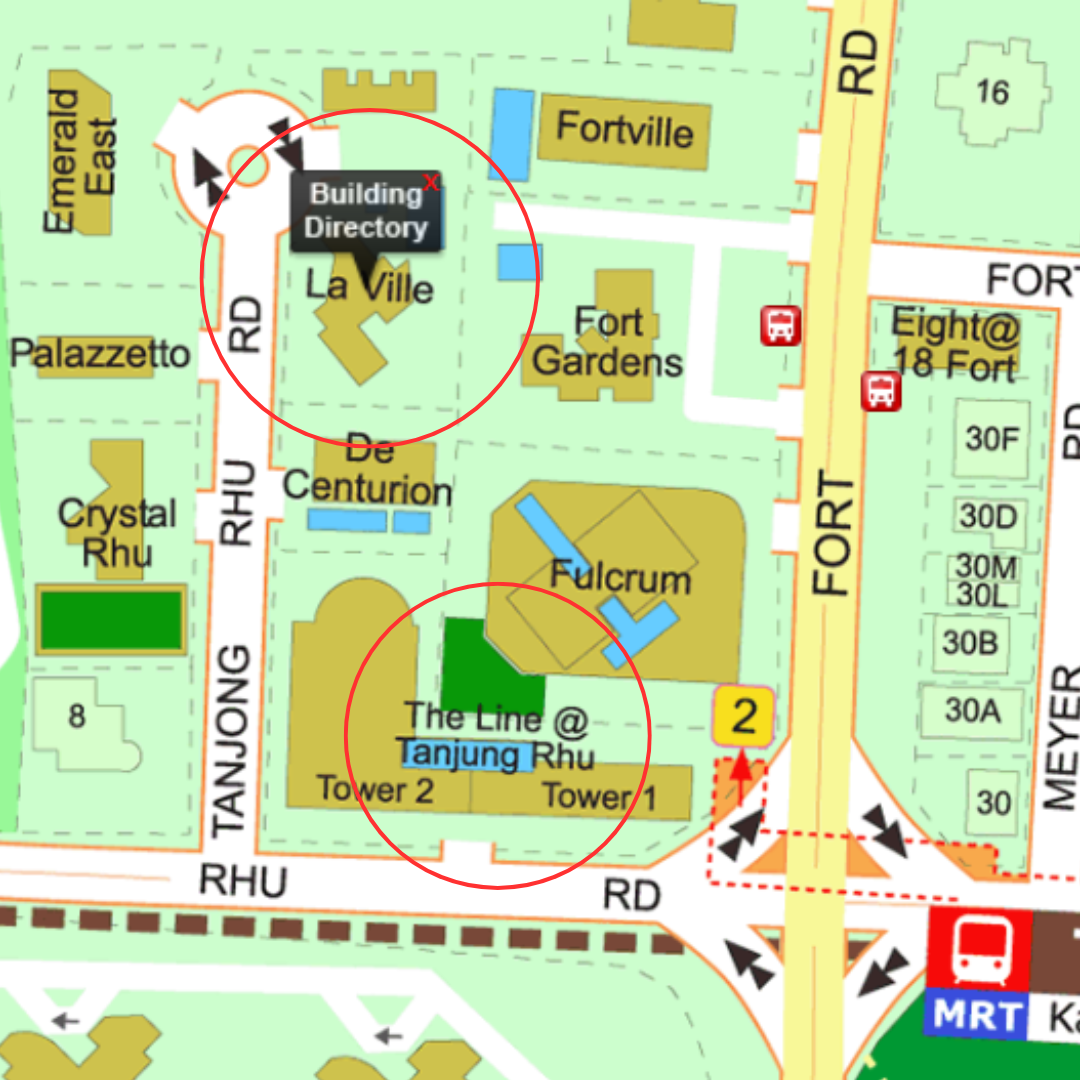
Arina East Residences and its comparing property

Let’s use The Line @ Tanjong Rhu for this comparison. The Line @ Tanjong Rhu is a freehold, fully facilitated development housing 130 residential units. It was   completed in 2016 and just a 300m away from Arina East Residences. However, despite being fully facilitated with similar amount of units as Arina East Residences, this development does not have a Tennis Court.

Prices of The Line @ Tanjung Rhu from Dec’24 to May’25

There wasn’t much transactions at The Line @ Tanjong Rhu over the past year. Based on most recent past 6 months, these was only one transaction during December 2024 with the PSF of $2,295. This would calculate to Arina East Residences having a premium of 41.61% over The Line @ Tanjung Rhu.


Instead of a verdict for this category. Maybe we can have a thought on this to end today’s topic – Arina East Residences will be entering the market with a modern offering and full suite of condo facilities, but its estimated 41% price premium over The Line @ Tanjong Rhu – a relatively new freehold development just 300 metres away raises valid questions.

While Arina East appeals with brand-new fittings, potential for better common facilities, and proximity to the upcoming Katong Park MRT, buyers must also weigh the smaller unit sizes and whether the premium reflects real long-term value or simply developer pricing strategies in today’s market.

Ultimately, it’s not just about what you’re paying—but what you’re getting in return. For some of you, the freshness and launch momentum may be worth it. While for others, resale options like The Line @ Tanjong Rhu could represent better value without sacrificing location or tenure.

So in conclusion, what matters more to you? – Newness and perceived potential, or space and value in a still-modern development? (:


Love,

Lin Xuan

Disclaimer: I am in the Real Estate Field under the company ERA. The above are my sincere and friendly analysis. If you are looking to move into the next phase of life and is looking to upgrade or downsize your home to cash out – but is in a dilemma on what is the best option, I’m always available on WhatsApp at +65 8222 2556 to have a good chat! You may reach out to me for all Official Project Details such as Floor Plans, e-Brochures & Factsheets as well.

Wishing you a great week!

Translate »