Real Estate Crowdfunding Singapore 2026: Fractional Property Investment, Risks and How It Works
Quick Answer: Real Estate Crowdfunding in Singapore
- Real estate crowdfunding (also called fractional property investment) lets multiple investors pool capital, often from as little as a few thousand dollars, to collectively own a share of a property through a platform, rather than buying a whole property outright.
- Most platforms use a Special Purpose Vehicle (SPV) that holds legal title to the property; investors buy shares or notes in the SPV rather than the property itself, and receive a pro-rata share of rental income and any capital gain on sale.
- Platforms offering this in Singapore are generally regulated activity under the Securities and Futures Act (SFA), and typically need a Capital Markets Services (CMS) licence from the Monetary Authority of Singapore (MAS), or must operate under a specific exemption.
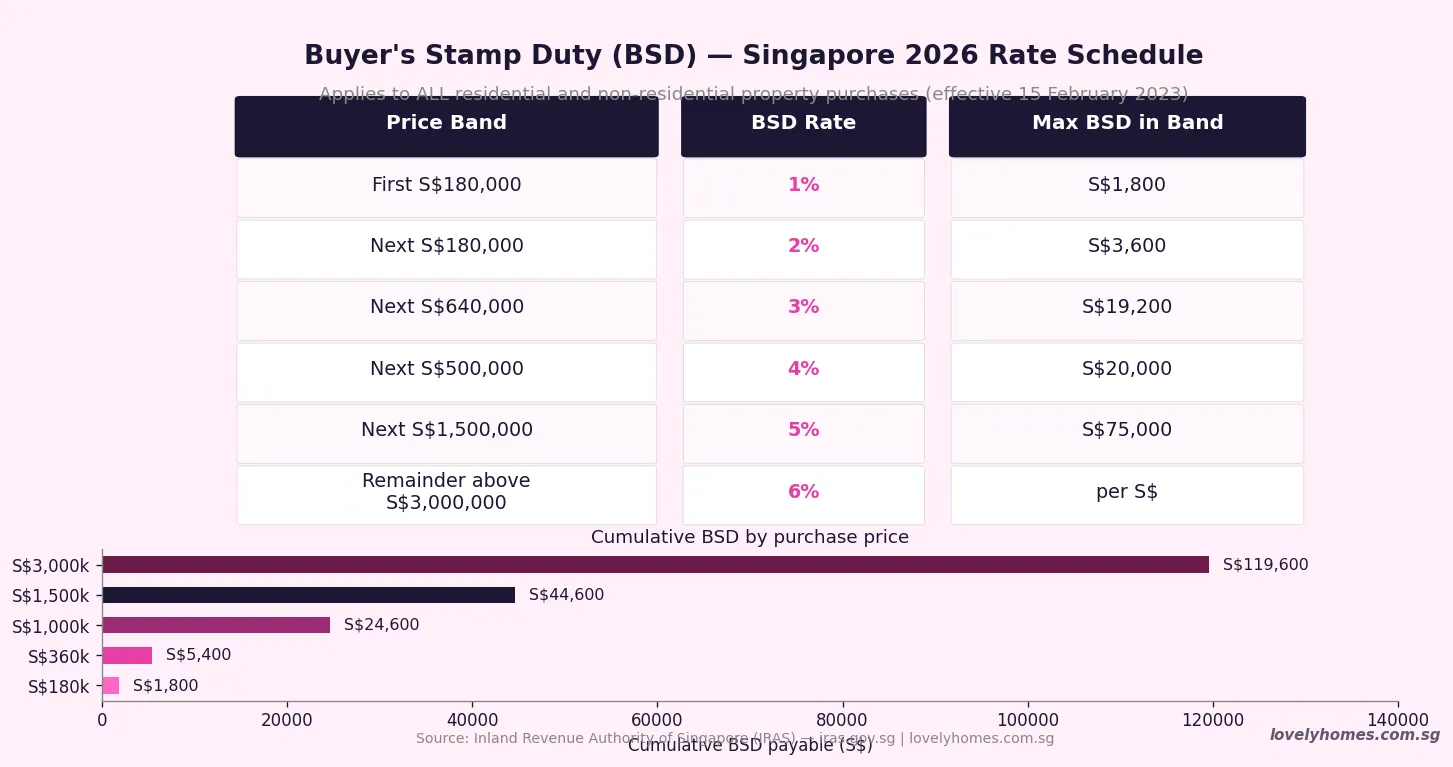
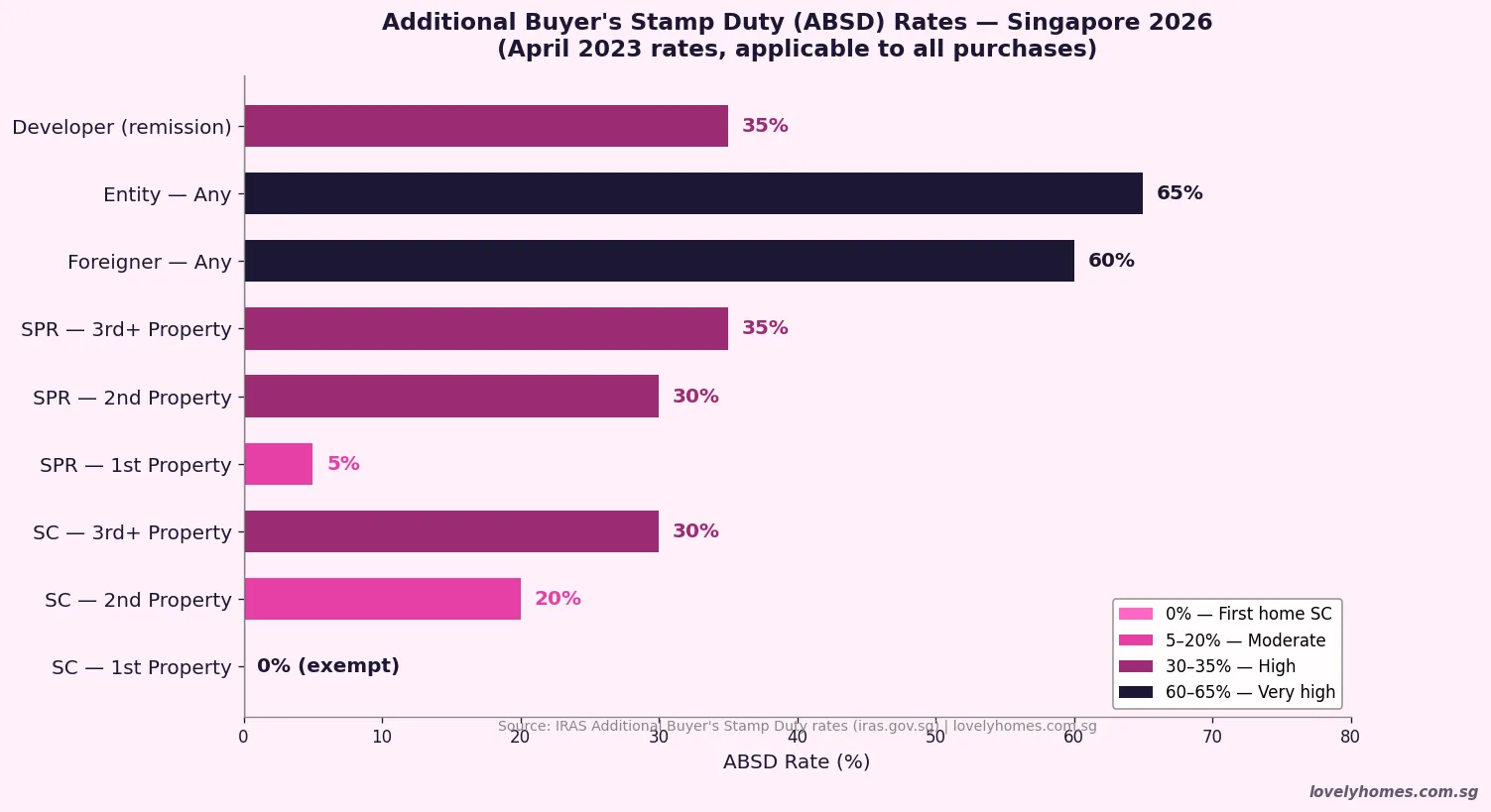
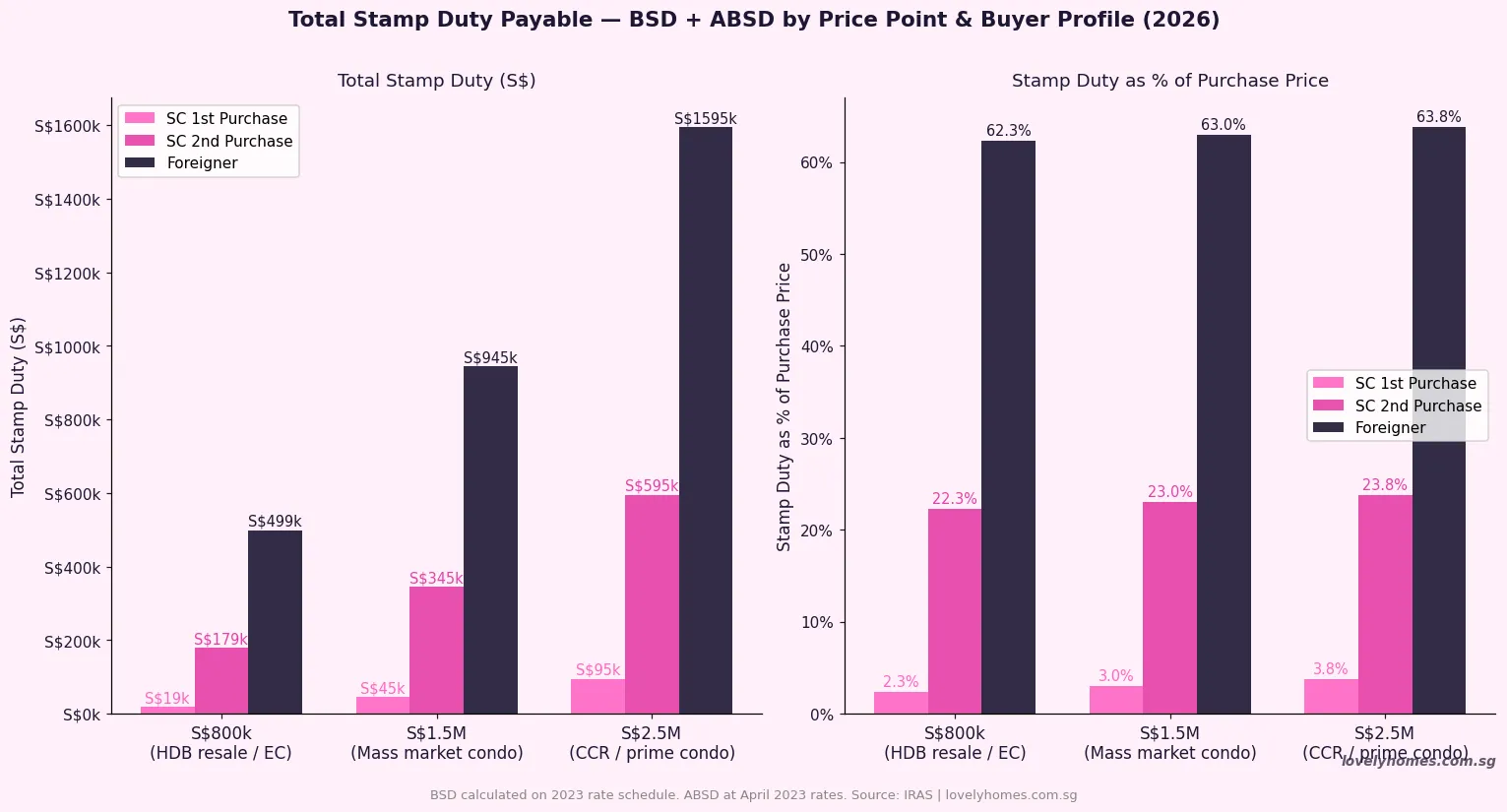
- Buyer’s Stamp Duty (BSD) and Additional Buyer’s Stamp Duty (ABSD) generally do not apply in the same way as a direct purchase, since investors are typically buying shares in an SPV rather than the property directly, though this depends on the exact structure used.
- CPF savings cannot be used for these investments, and they are not covered by any deposit protection scheme, unlike a bank savings account.
- Key risks include illiquidity (no ready secondary market to exit early), platform risk (the platform operator itself could face financial difficulty), concentration risk (your money is tied to one or a few specific properties, not a diversified portfolio), and the usual property market risks of vacancy and price decline.
- Compared with an SGX-listed REIT, crowdfunding platforms are far less liquid and typically carry higher platform-specific risk, but may offer exposure to a specific property or asset class a REIT does not hold.
What Is Real Estate Crowdfunding?
Real estate crowdfunding, sometimes marketed as fractional property investment or fractional ownership, is a model that allows a group of investors to collectively fund the purchase of a property, or a share in one, through an online platform. Rather than a single buyer taking on the full purchase price, legal responsibilities and risk of an entire property, the investment is broken into smaller units that individual investors can buy into, often starting from a few thousand Singapore dollars rather than the hundreds of thousands typically required for direct property ownership. The properties involved can range from commercial units and shophouses to residential developments, and increasingly include overseas properties marketed to Singapore-based investors seeking geographic diversification.
The appeal is straightforward: it lowers the capital barrier to property investment, allows diversification across several smaller stakes instead of one large illiquid asset, and removes much of the hands-on landlord responsibility, since the platform or its appointed manager typically handles leasing, maintenance and tenant management. The trade-offs, covered in detail below, are just as important to understand before committing capital.
How the Investment Structure Typically Works
Most platforms operating in this space in Singapore use a Special Purpose Vehicle (SPV), typically a private company set up specifically to hold legal title to one property or a small portfolio. Investors do not buy the property directly; instead, they subscribe for shares or debt notes issued by the SPV, with the size of their stake determining their proportional entitlement to rental income and, eventually, sale proceeds. Some platforms use a trust structure instead of a company, with investors holding units in the trust, but the underlying logic is the same: your legal relationship is with the investment vehicle, not directly with the physical property.
Because investors are buying securities (shares, notes or trust units) rather than directly acquiring real property, this activity generally falls within the scope of the Securities and Futures Act (SFA), administered by MAS. A platform facilitating this kind of offering typically needs to hold a Capital Markets Services (CMS) licence covering the relevant regulated activity (such as dealing in capital markets products, or providing a fund management or crowdfunding service), or rely on a specific regulatory exemption. Before investing through any platform, it is worth checking the MAS Financial Institutions Directory to confirm the platform, or the entity actually making the offer, holds the appropriate licence or exemption, since operating an unlicensed regulated activity is itself a red flag about the platform’s legitimacy.
Rental Income, Fees and Exit Mechanics
While the property is held, rental income collected from tenants is typically distributed to investors pro-rata to their shareholding, usually on a monthly or quarterly basis, after deducting property-level expenses (maintenance, property tax, insurance) and the platform’s management or asset management fee. Fee structures vary by platform but commonly include an upfront placement or acquisition fee (often a percentage of the amount raised), an ongoing annual asset management fee, and a performance or disposal fee taken from any capital gain when the property is eventually sold. These fees compound over the holding period and should be read carefully in the offer document, since they directly reduce net returns to investors.
Exiting an investment before the property is sold is usually the hardest part of this model. Unlike an SGX-listed REIT, which can be bought or sold within seconds during market hours, most real estate crowdfunding platforms offer little to no secondary market for investors wanting to sell their stake early. Some platforms operate an internal matching board where investors can list their shares for other users to buy, but this is generally thin, uncertain and may only execute at a discount, if at all. Investors should treat capital committed to these platforms as locked in until the underlying property is sold, which is typically planned for a specific holding period (often three to seven years) set out at the time of the offering, though actual timing depends on market conditions and platform decisions.
Crowdfunding vs REIT vs Direct Ownership
The closest, more familiar comparison for most Singapore investors is a Real Estate Investment Trust (REIT) listed on the SGX. A REIT pools capital from many investors into a professionally managed portfolio of income-producing properties, is highly liquid since units trade daily on the exchange, and is regulated under both MAS’s REIT framework and SGX’s listing rules, which impose ongoing disclosure and governance obligations far more extensive than most private crowdfunding platforms. The trade-off is that REIT investors have no say over which specific properties are bought or sold, since that sits entirely with the REIT manager, and returns reflect a diversified portfolio rather than a single asset’s performance.
Direct property ownership sits at the other end of the spectrum: full control, the ability to use CPF savings (subject to the usual Housing scheme rules for eligible properties), and the potential to occupy the property yourself, but requiring substantially more capital, exposure to Buyer’s Stamp Duty and, where applicable, Additional Buyer’s Stamp Duty, and far lower liquidity than a REIT. Real estate crowdfunding sits in between: lower capital requirements than direct ownership, but far less liquid than a REIT, with returns concentrated in one or a handful of specific assets rather than spread across a large portfolio, and less regulatory scrutiny than a listed REIT typically faces.
Tax Treatment for Individual Investors
Rental income distributions received by an individual investor through a crowdfunding SPV are generally treated as taxable income in Singapore, and should be declared accordingly, though the exact tax character (rental income versus dividend, depending on how the SPV is structured and how distributions are made) can affect the specific treatment, so investors should check the platform’s tax guidance or consult a tax adviser. Singapore does not impose a general capital gains tax, so a gain made on eventual sale of the underlying property, and distributed to investors, is not typically taxed as a capital gain in the investor’s hands, though gains could be treated as taxable income if the activity is considered a trade rather than a passive investment. Investors in overseas property crowdfunding deals should also be aware that the source country may impose its own withholding tax on rental income or capital gains before amounts are distributed back to Singapore-based investors.
Key Risks to Understand Before Investing
- Illiquidity: capital is generally locked in for the planned holding period, with little to no reliable way to exit early.
- Platform risk: if the platform operator itself becomes insolvent or ceases operations, the process for investors to recover their interest in the underlying SPV can become complicated and drawn out, even if the property itself retains value.
- Concentration risk: unlike a REIT’s diversified portfolio, a crowdfunding investment is usually tied to one specific property, so a single vacancy, tenant default or local market downturn has an outsized impact on returns.
- No CPF usage and no deposit protection: these are not eligible for CPF Housing scheme use, and are not covered by the Singapore Deposit Insurance Scheme that protects bank deposits.
- Regulatory and cross-border risk: for overseas property deals, investors take on foreign legal, currency and tax risk on top of the platform and property risk, and enforcement of investor rights in a foreign jurisdiction can be far harder than for a Singapore-based asset.
- Return projections are not guarantees: illustrative yield and capital gain figures shown in marketing material are projections, not promises, and actual rental income and sale prices depend on real market conditions at the time.
Summary: Real Estate Crowdfunding Facts at a Glance
| Question | Short Answer |
|---|---|
| What do I actually own? | Shares, notes or units in an SPV/trust that holds the property, not the property directly. |
| Can I use CPF? | No, CPF Housing scheme rules do not apply to these investments. |
| Does BSD/ABSD apply? | Generally not to the investor directly, since they are buying securities, not the property itself. |
| Is my capital protected? | No deposit protection scheme applies; capital is at risk like any investment. |
| Who regulates these platforms? | MAS, typically requiring a Capital Markets Services licence or applicable exemption. |
| How liquid is my investment? | Generally illiquid; expect to hold until the property is sold. |
Worked Example: A S$10,000 Fractional Investment
Profile: Mr Lim invests S$10,000 through a platform into an SPV holding a share of a commercial property, on a planned 5-year holding period, with an illustrative projected rental yield of 5.5% per annum.
Step 1 – Annual rental distribution: at a projected 5.5% yield, Mr Lim’s illustrative annual rental distribution before platform fees is S$550.
Step 2 – Cumulative rental income over 5 years: assuming a broadly stable yield, total rental distributions over the holding period come to approximately S$2,750 before fees and tax.
Step 3 – Exit sale: at the end of the 5-year period, the property is sold and Mr Lim’s proportional share of the sale proceeds reflects his original S$10,000 stake plus an illustrative 12% capital gain, for an exit value of approximately S$11,200.
Total illustrative return: S$2,750 (rental income) + S$1,200 (capital gain) = S$3,950 over 5 years on a S$10,000 investment, before platform fees and applicable tax, an illustrative total return of roughly 39.5% or about 7% per annum non-compounded. This is a hypothetical scenario only; actual rental income and exit price depend entirely on the specific property, tenancy and market conditions, and could be lower, including a partial or full loss of capital.
Why This Matters for Singapore Investors
Real estate crowdfunding fills a genuine gap for investors who want direct property exposure without the capital outlay, stamp duty and hands-on management that direct ownership demands, and who find a REIT’s fully diversified, professionally managed portfolio less appealing than backing a specific asset they can evaluate themselves. This makes the model attractive as a smaller, satellite allocation within a broader portfolio, rather than a core holding, particularly given the illiquidity and concentration risk involved. Investors should size any allocation to these platforms accordingly, treat published yield and capital gain projections as estimates rather than guarantees, and do the same due diligence on the platform’s regulatory standing and track record that they would apply to any other unlisted investment.
What Might Come Next
The following is informed speculation, not confirmed policy. As MAS continues to refine its regulatory approach to digital and fractionalised investment products, including ongoing work on tokenised assets and digital securities more broadly, it is plausible that clearer, more standardised rules specific to real estate crowdfunding platforms could develop over time, potentially including enhanced disclosure or secondary market requirements to address the liquidity gap. Growing investor appetite for smaller-ticket, diversified property exposure may also encourage more platforms to explore semi-liquid structures, such as periodic redemption windows, though no such standard has become widespread in Singapore as at this writing.
Frequently Asked Questions
Is real estate crowdfunding regulated in Singapore?
Yes, generally. Because investors are typically buying shares, notes or units in an SPV or trust, this usually falls under the Securities and Futures Act, and the platform or offering entity typically needs a Capital Markets Services licence from MAS, or must rely on a specific exemption. Always verify a platform’s regulatory status before investing.
Can I use my CPF Ordinary Account savings for this?
No. CPF Housing scheme rules only apply to direct purchases of eligible residential property, not to shares, notes or units in a crowdfunding SPV or trust.
What happens to my investment if the platform shuts down?
This depends on how the SPV or trust is structured and where legal title sits. In a well-structured deal, the property is held by an SPV independent of the platform operator, so investors retain their interest even if the platform ceases operations, though the practical process of managing the asset and eventually exiting can become far more complicated. This is exactly why checking the legal structure and platform track record before investing matters.
How is this different from buying an SGX-listed REIT?
A REIT holds a diversified portfolio of properties, is highly liquid since units trade daily on the exchange, and is subject to extensive MAS and SGX disclosure requirements. Crowdfunding platforms typically expose you to one or a handful of specific properties, are far less liquid, and generally carry less standardised regulatory scrutiny than a listed REIT.
Do I pay Buyer’s Stamp Duty on a crowdfunded investment?
Generally no, because the investor is typically buying securities in an SPV rather than acquiring the property directly. However, the exact stamp duty treatment depends on the specific legal structure of each deal, so this should be confirmed in the offer document or with a tax adviser.
Can I sell my stake before the property is sold?
Usually only with difficulty. Most platforms do not offer a robust secondary market, so investors should generally plan to hold until the underlying property is sold at the end of the planned holding period, rather than assuming they can exit on demand.
Is rental income from these investments taxable?
Generally yes, distributions of rental income to individual investors are treated as taxable income in Singapore, though the precise characterisation can depend on the SPV structure. Singapore does not have a general capital gains tax, so a distributed capital gain on sale is not usually taxed as such, though this should always be confirmed for your specific situation.
Related Articles on LovelyHomes
- Singapore Property Investment Strategy 2026
- Singapore Investment Sales H1 2026: What S$31 Billion Tells Us About the Market
- Buyer’s Stamp Duty (BSD) Singapore 2026 – Complete Guide
- Property Decoupling Singapore 2026: Complete Guide to ABSD Savings Strategy
- Home Equity Loan Singapore 2026: HEL, HLOA & Borrowing Guide
- Singapore Property Market Outlook 2027
Click anywhere outside to close